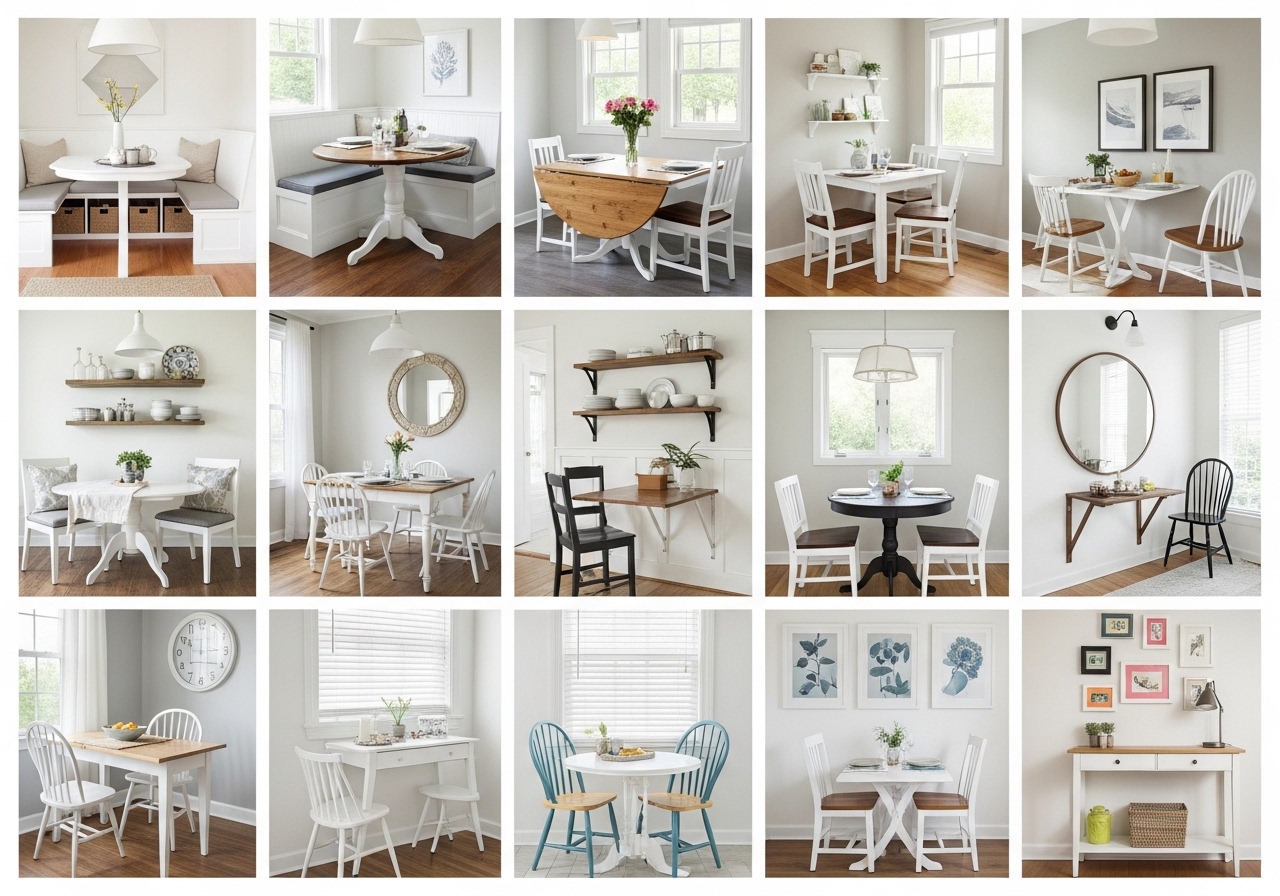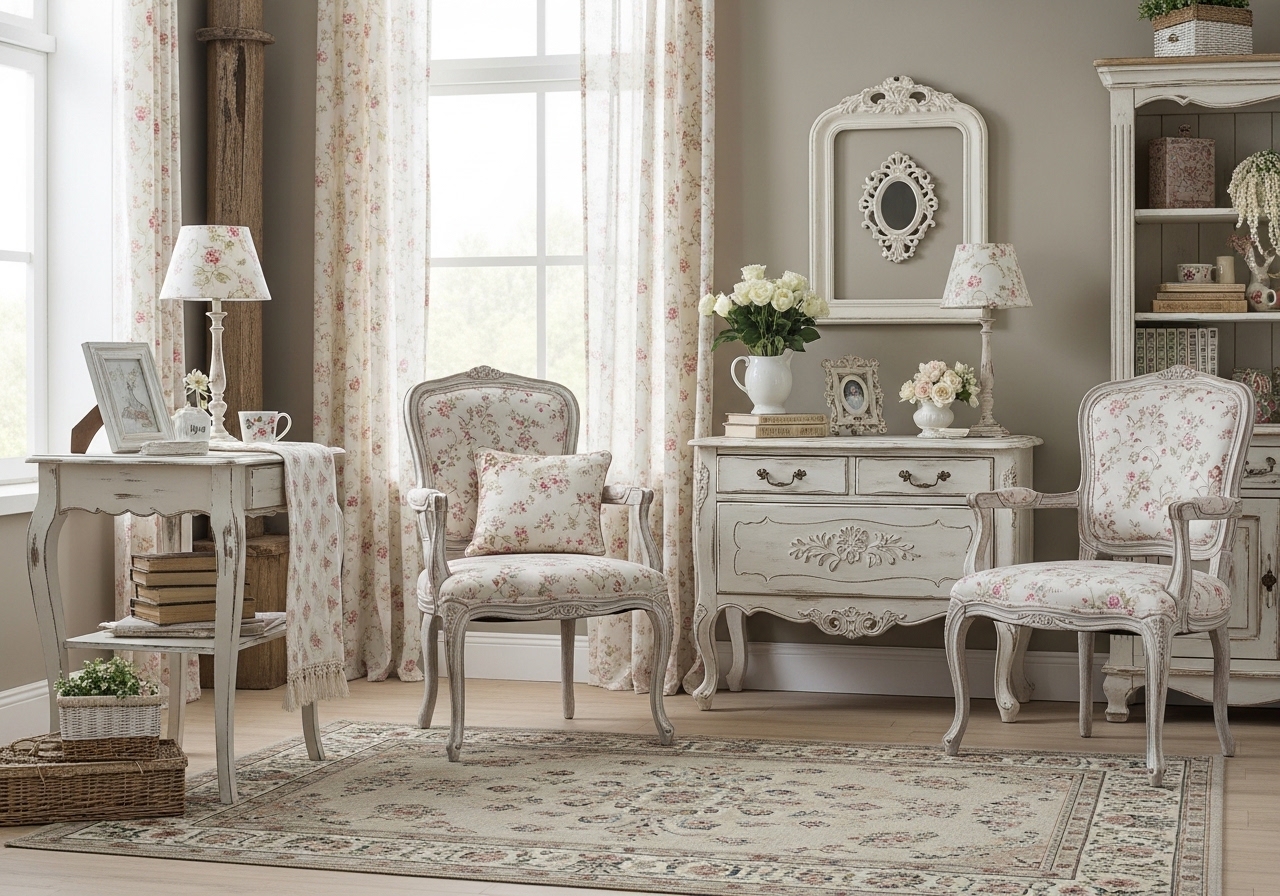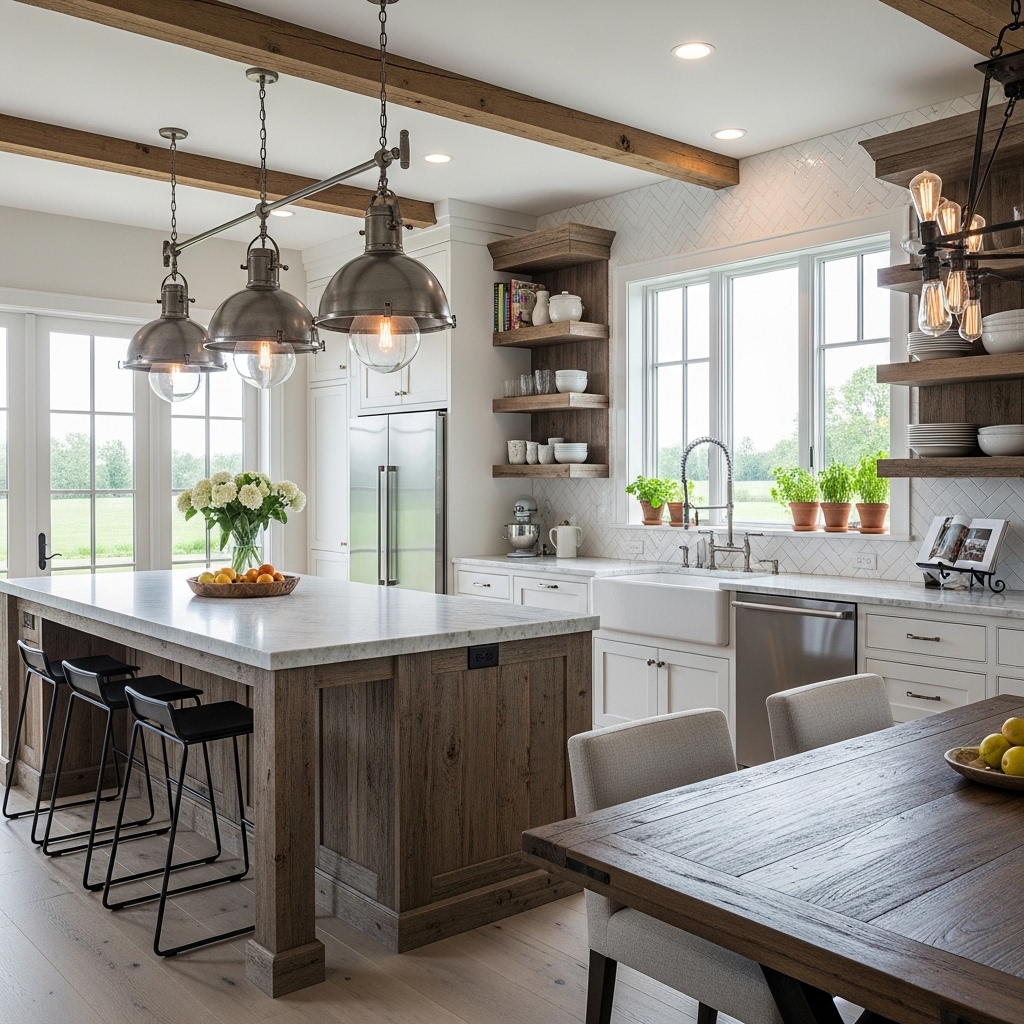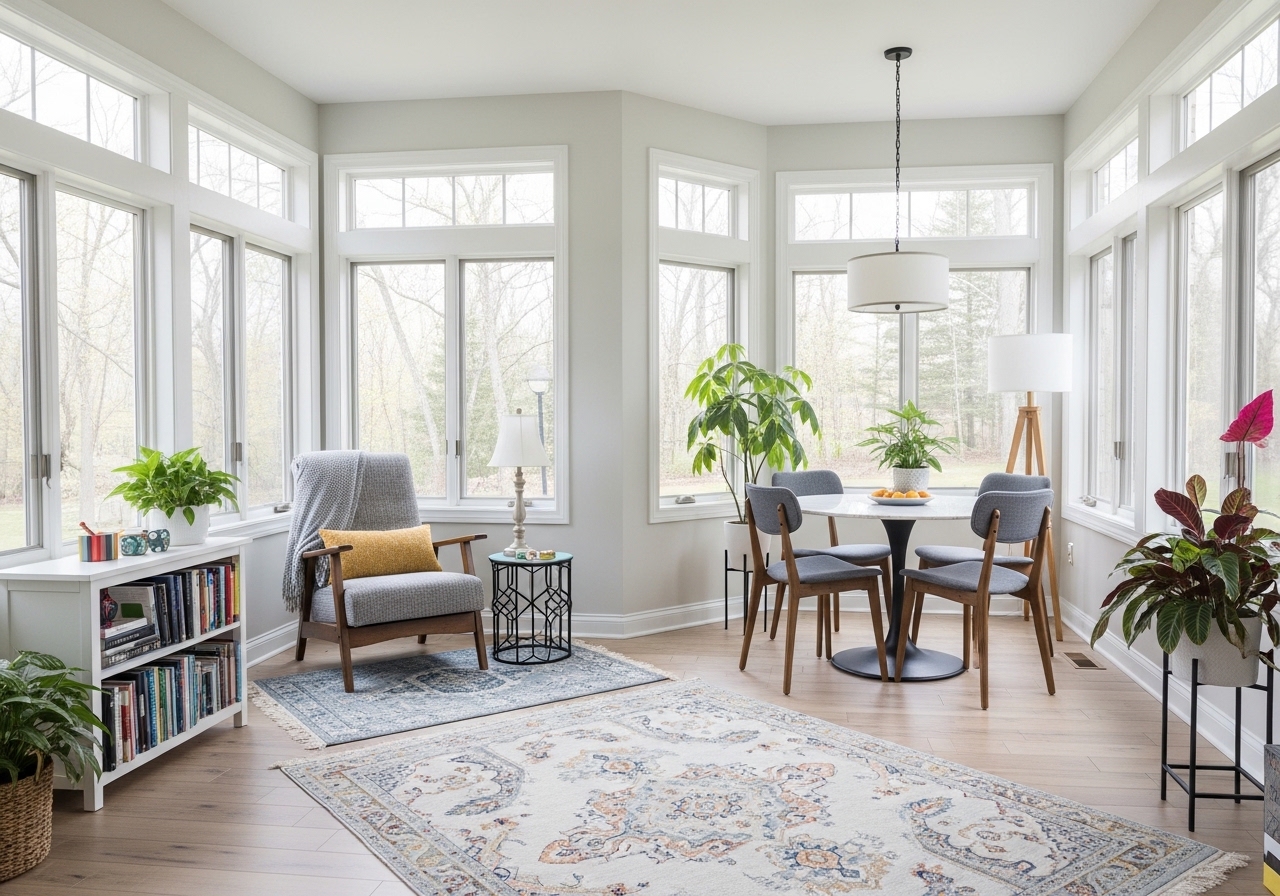
Few rooms in a home carry the kind of promise that a sunroom does — that golden, glass-wrapped space where the outside world softens into something you can actually live inside of. A well-designed sunroom isn’t just a pretty addition; it’s the room everyone gravitates toward, the one that earns the unofficial title of “favorite spot in the house” within weeks of being finished. Whether you’re working with a full four-season addition, a simple screened porch conversion, or a light-flooded bump-out off your living room, there are ideas here that will help you make it everything you’ve been imagining. These 28 bright sunroom ideas cover light, warmth, function, and every beautiful detail in between. Here are 28 ideas worth saving.
Why Bright Sunroom Design Works So Well
The sunroom is one of the most versatile spaces in residential design — and that versatility is exactly what makes it so compelling. Unlike a living room, which carries the weight of formality and furniture arrangement conventions, a sunroom exists outside the usual rules. It’s allowed to be relaxed, layered, slightly eclectic, and completely personal.
What defines a truly successful sunroom is the relationship between light and material. Natural light is the room’s entire identity, so every finish, fabric, and color choice must be made with that light in mind. Natural linen, rattan, weathered wood, and pale stone all come alive under sunlight in ways that synthetic materials simply cannot replicate. The best sunroom decor leans into those organic, breathable textures.
Right now, bright sunroom design is having a significant moment on Pinterest and in shelter magazines, driven by a broader movement toward biophilic design — the idea that humans perform and feel better when they’re connected to the natural world. Sunrooms are the domestic expression of that instinct: a room that is technically indoors but spiritually outside.
The most encouraging truth about sunroom design is that it scales to any budget and any footprint. A 90-square-foot screened porch with the right furniture, the right plants, and the right lighting can feel every bit as magical as a 400-square-foot glass addition. The principles are the same: maximize light, lean into nature, and design for how you actually want to live.
28 Bright Sunroom Ideas for Your Home
1. Floor-to-Ceiling Windows That Dissolve the Wall Between Inside and Outside
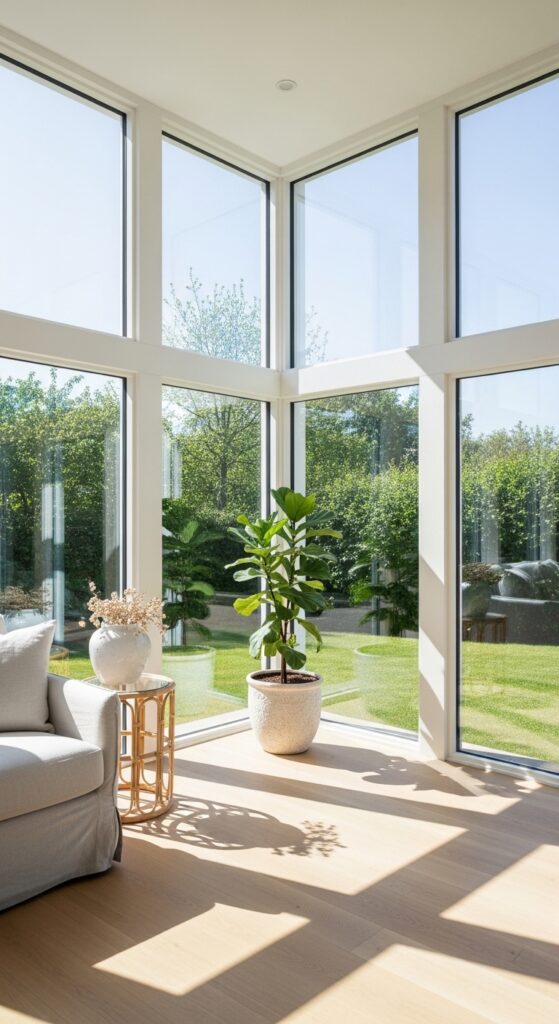
Vibe: Standing in this sunroom feels like being inside the sky — glass on every side, light from every angle, nothing between you and the garden.
What makes it work: Slim-profile window frames maximize glass surface and minimize visual interruption, letting the outdoor view become the primary design element. When windows run floor to ceiling, they eliminate the visual “cap” of a sill, making the ceiling feel dramatically higher than it actually is.
How to achieve it: If replacing windows, specify casement or fixed-pane windows with thermally broken aluminum frames in white or black — these offer the slimmest profile available. For existing windows, simply removing heavy curtains and valances immediately opens the room by 30 percent visually.
💡 Removing curtains costs nothing and is often the single most impactful change in a sunroom.
2. Rattan and Wicker Furniture for Effortless Indoor-Outdoor Flow
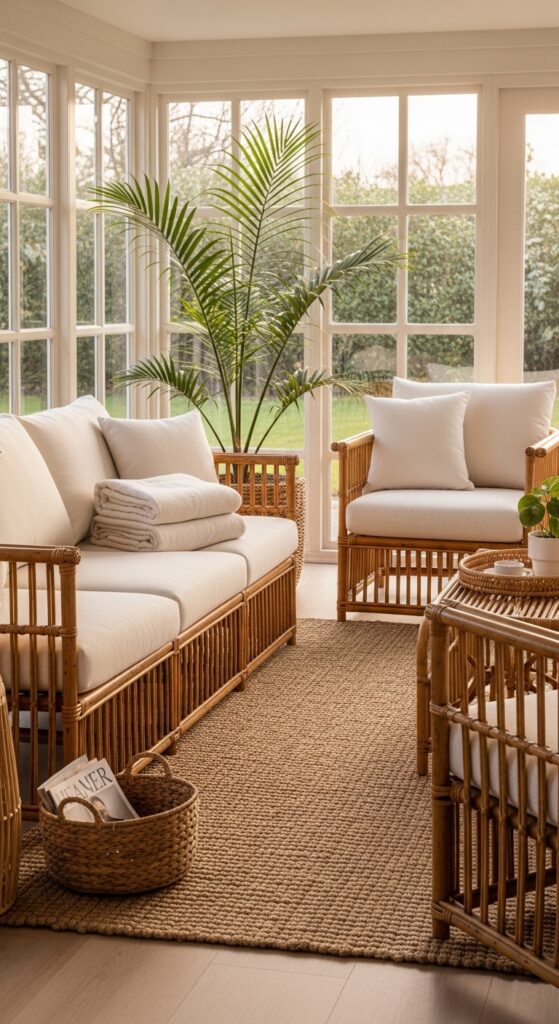
Vibe: Unhurried, sun-warmed, and textured — furniture that feels like it grew here naturally alongside the plants.
What makes it work: Rattan and wicker are the canonical sunroom materials for good reason: their open weave lets light pass through rather than absorbing it, which keeps the room feeling bright rather than heavy. The natural tan tones of rattan echo the outdoor palette without competing with it.
How to achieve it: Invest in cushions with removable, washable covers in solution-dyed acrylic fabric — brands like Sunbrella are fade-resistant and genuinely indoor-outdoor durable. Layer a sisal or jute area rug underneath to anchor the seating zone and add additional texture.
3. White Painted Brick or Stone Wall as a Warm Textural Anchor
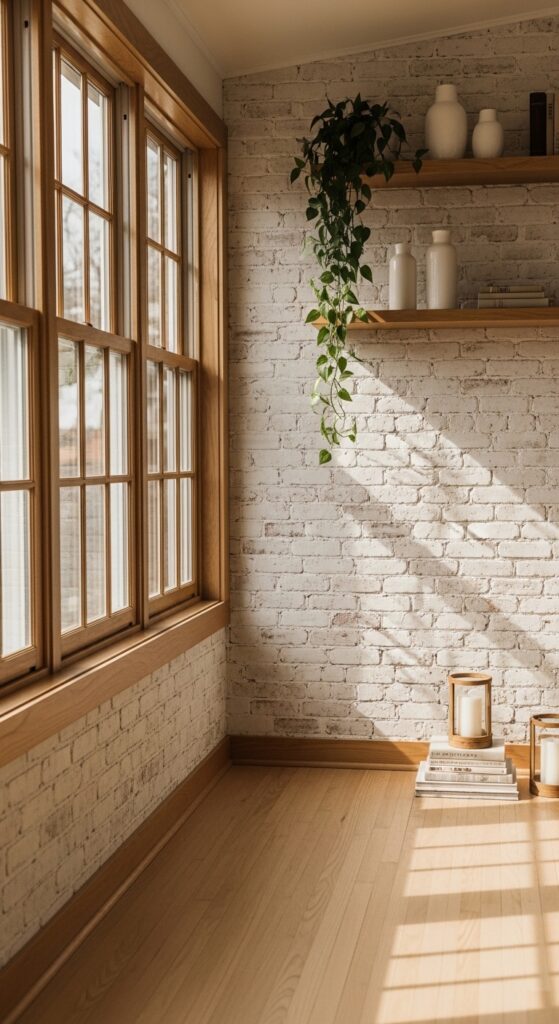
Vibe: Earthy, sun-touched, and deeply welcoming — the kind of room where the walls feel warm to the touch.
What makes it work: A whitewashed brick wall brings architectural texture into a sunroom without visual weight, reflecting light while still showing the natural dimensionality of the material beneath. It bridges the indoor and outdoor worlds in a way that smooth drywall simply cannot.
How to achieve it: Apply a limewash technique using diluted white paint — mix one part white latex paint with two parts water and apply with a wide brush, wiping back immediately to allow the brick texture to show through. Romabio’s Classico Limewash in “Avorio White” gives a beautiful result in a single coat.
💡 Limewashing existing brick takes one afternoon and costs under $40 in materials.
4. Hanging Pendant Lights for Warmth After Dark
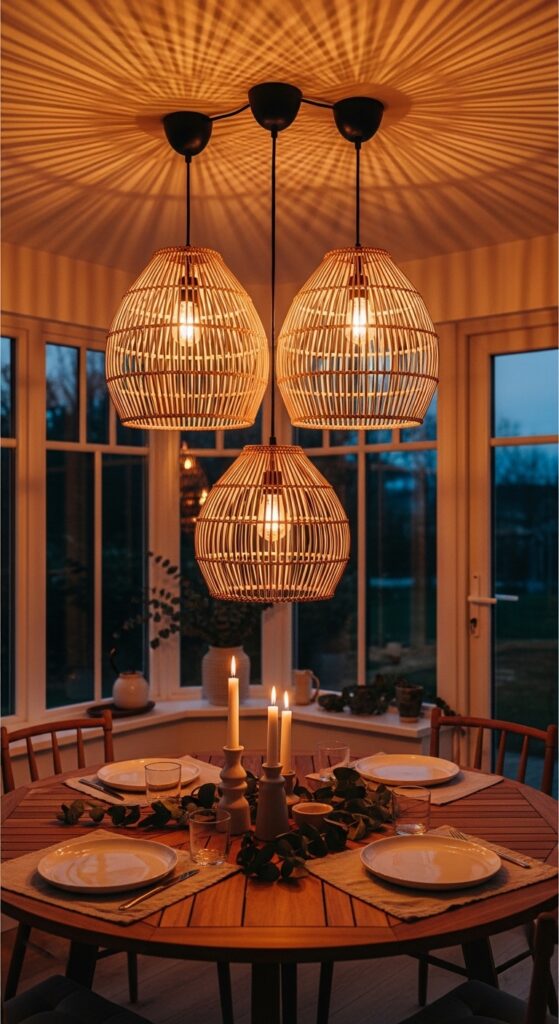
Vibe: At dusk, when the natural light fades, this sunroom transforms into something even more beautiful — all golden warmth and shadow.
What makes it work: Sunrooms are designed around natural light, but a room that only works during daylight is a missed opportunity. Pendant lights with open-weave rattan or bamboo shades cast beautiful dappled shadow patterns on the ceiling that complement the natural aesthetic and extend the room’s magic into evening hours.
How to achieve it: Hang pendants at 30–34 inches above a table surface. For sunrooms with no ceiling junction box, plug-in pendant lights with a cord cover offer a hardwired look without electrical work. Look for rattan pendants from IKEA’s SINNERLIG range or similar affordable options.
5. All-White Palette with Varying Textures for Serene Brightness
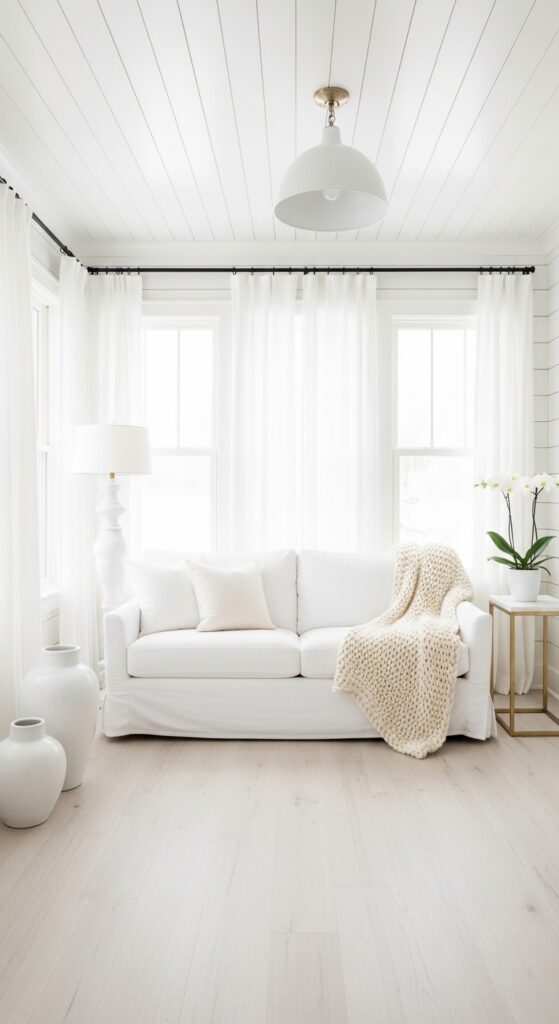
Vibe: Pure, light-drenched, and genuinely calming — every surface catching and reflecting light from a different angle.
What makes it work: An all-white sunroom isn’t boring when the textures vary significantly. Shiplap, linen, matte plaster, and smooth ceramic all appear white but absorb light differently, creating a room with visual depth and interest despite the restricted palette. Natural light is the color.
How to achieve it: Use warm white rather than cool white throughout — Benjamin Moore “Chantilly Lace” for walls and Sherwin-Williams “Alabaster” for trim creates a layered warmth. Keep floor color in bleached or pale oak tones to avoid the clinical coldness of very bright white wood.
6. Oversized Indoor Plants as Living Architecture
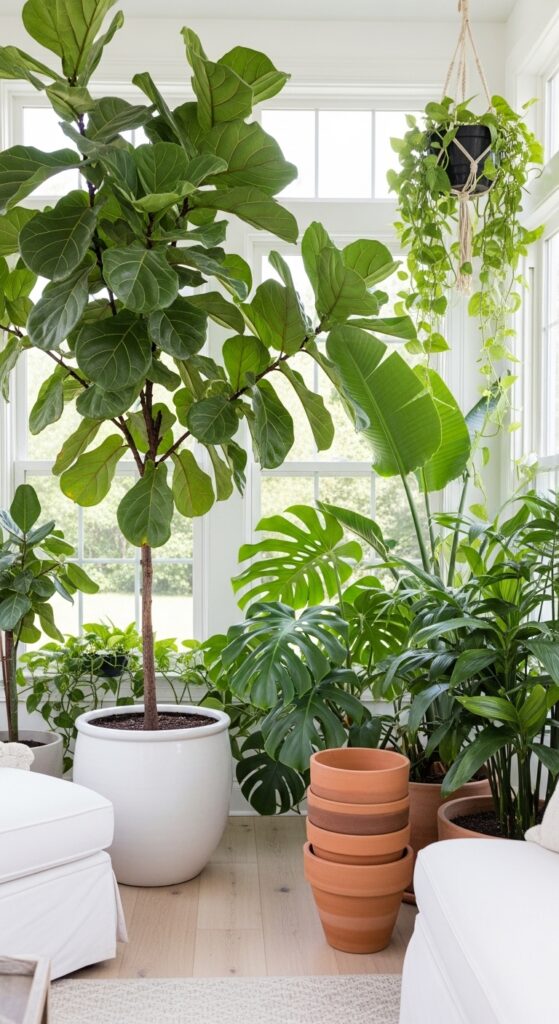
Vibe: Lush, breathing, and wildly alive — this sunroom feels like the interior of a very elegant greenhouse.
What makes it work: Oversized plants — floor-to-ceiling fiddle-leaf figs, sprawling monsteras, large palms — function as living architecture, filling vertical space that furniture can’t reach and creating a canopy-like feeling that makes the room feel far larger than its actual square footage.
How to achieve it: Cluster plants at three different heights — tall floor plants, medium shelf plants, and hanging ceiling plants — to create the layered density of a real garden. Fiddle-leaf figs, bird of paradise, and large areca palms all thrive in sunrooms with bright indirect light.
💡 One large statement plant in a quality pot makes more visual impact than six small plants scattered randomly.
7. Terracotta Floor Tile for Sun-Warmed Mediterranean Warmth
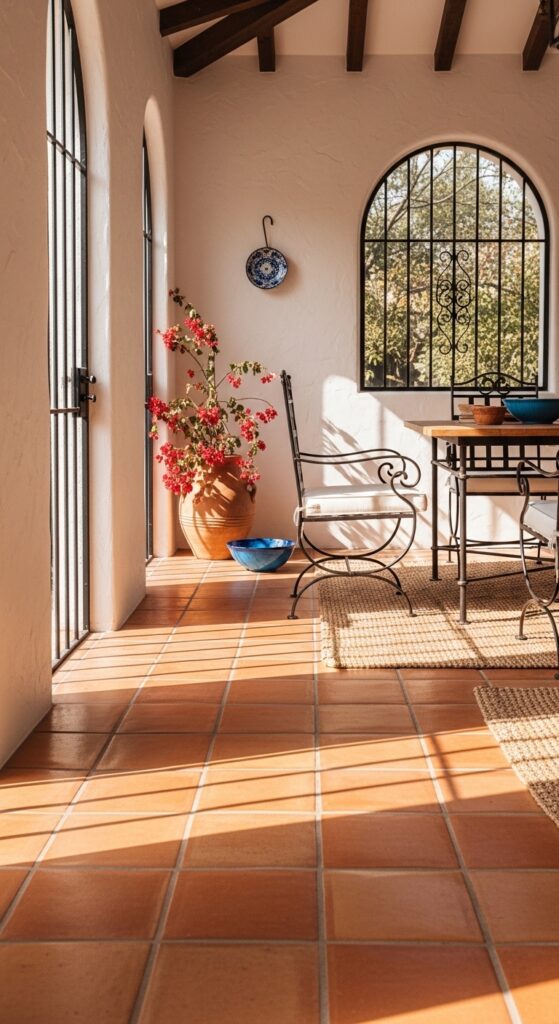
Vibe: Warm, earthy, and deeply rooted — a sunroom that feels transported from a Provençal courtyard.
What makes it work: Terracotta floor tile absorbs heat during sunlit hours and releases it slowly, making a sunroom genuinely warmer and cozier after the sun moves. The slight tonal variation in handmade terracotta — each tile slightly different — gives the floor a richness that manufactured tile can’t replicate.
How to achieve it: Authentic terracotta tiles from Saltillo or Mission Stone & Tile are porous and must be sealed annually with a penetrating sealer. For lower maintenance, porcelain terracotta-look tiles from Bedrosians or MSI offer the warm tone with far less upkeep.
8. Built-In Window Seat with Hidden Storage
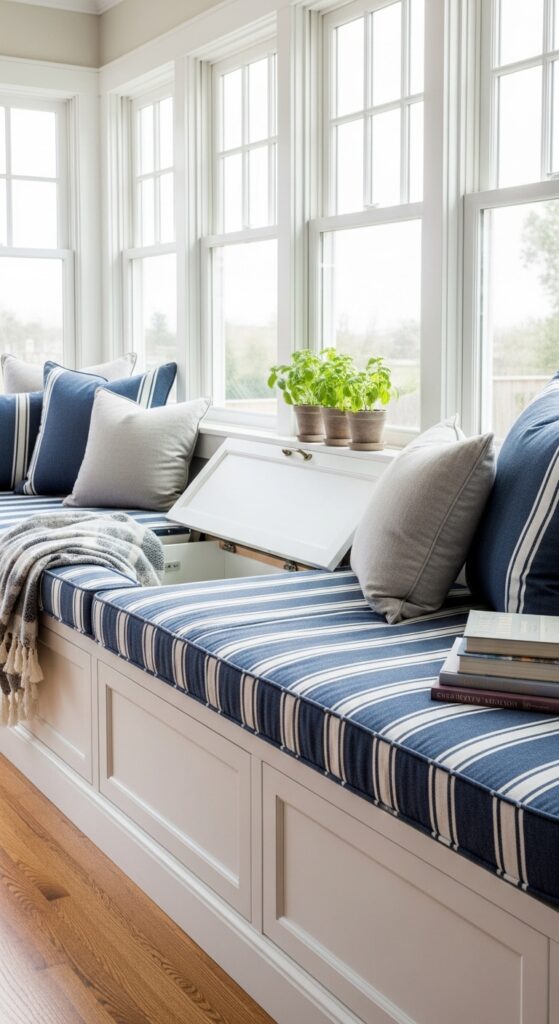
Vibe: This is the seat everyone immediately claims — sun-warmed, deeply cushioned, and surrounded by light on three sides.
What makes it work: A built-in window seat solves the perennial sunroom problem of how to make the perimeter seating feel rooted rather than floating. The seat’s base creates storage and makes the whole unit feel architectural — as if it was always part of the room’s bones.
How to achieve it: Build the seat base from standard kitchen cabinet boxes — IKEA base cabinets are a popular choice at under $100 per unit. Commission a 4-inch foam cushion with a removable cover in Sunbrella fabric. Set seat height at 17–19 inches for comfortable sitting.
9. Exposed Wooden Ceiling Beams for Warmth and Character
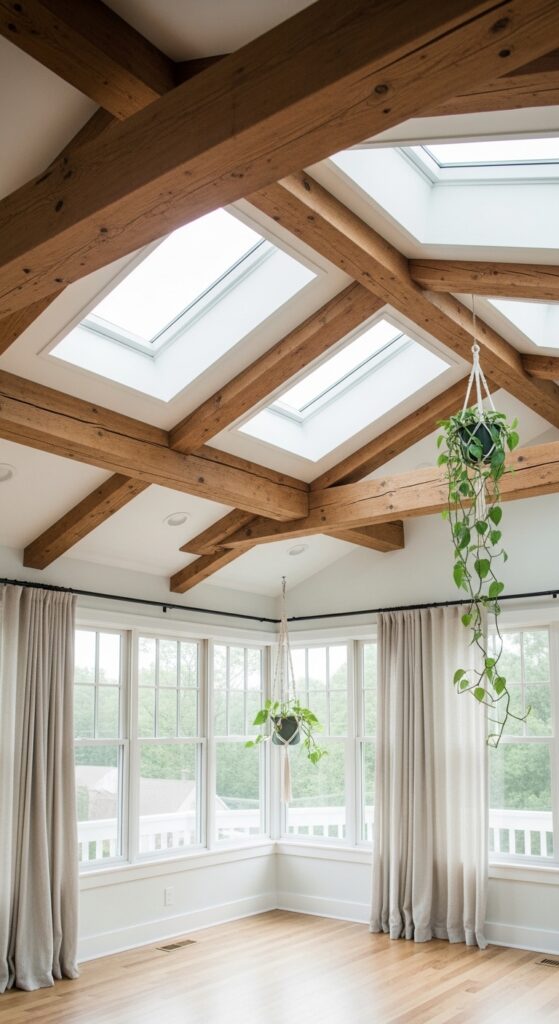
Vibe: Overhead, the room tells a story — warmth and structure and light all layered together in perfect proportion.
What makes it work: Exposed ceiling beams add a warmth and architecturally grounded character to sunrooms, which can otherwise feel unmoored when surrounded by so much glass. The beams define zones within the room and add visual weight above, which actually makes the furniture below feel more purposeful.
How to achieve it: Hollow faux wood beams from Architectural Depot or American Timber & Steel are lightweight, easy to install, and visually indistinguishable from real solid beams at a fraction of the cost. Stain them in a warm walnut or natural oak tone to complement pale floors.
💡 Faux wood beams install with construction adhesive and screws — a DIY-friendly weekend project.
10. Botanical Printed Textiles for a Garden-Inspired Atmosphere
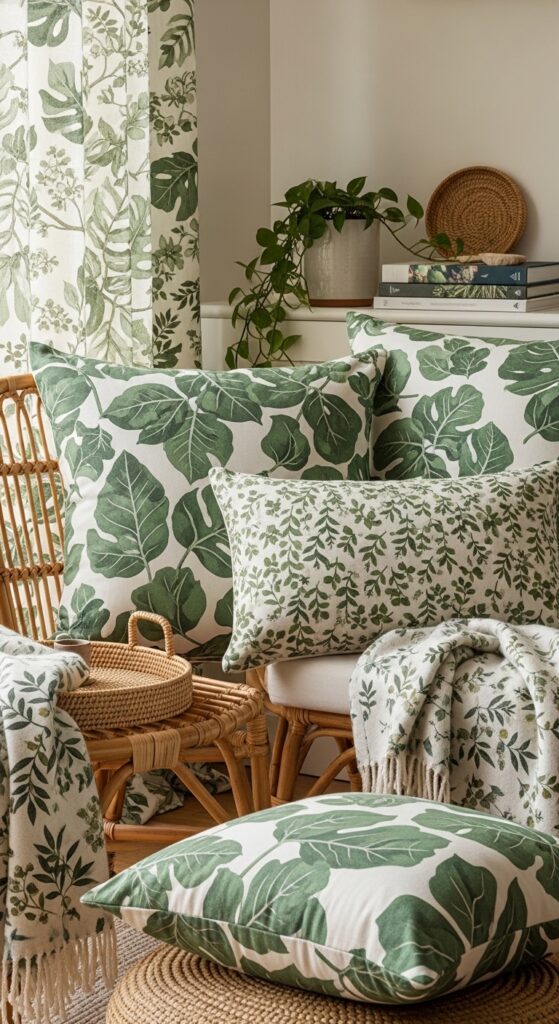
Vibe: Soft, pattern-rich, and alive with botanical character — textiles that make the room feel like a garden even on a grey day.
What makes it work: Large-scale botanical prints on cushions and curtains bridge the visual gap between the indoor room and the garden outside, reinforcing the sunroom’s identity as a transitional space. They also introduce color in a way that’s easy to change seasonally without repainting.
How to achieve it: Layer two scales of botanical print — a large-leaf pattern on cushions and a smaller sprig print on a throw — for depth. Stick to a tonal palette (all greens, or green and cream) rather than multicolor to keep the room feeling calm rather than busy.
11. Slim Black Steel Window Frames for a Modern Greenhouse Aesthetic
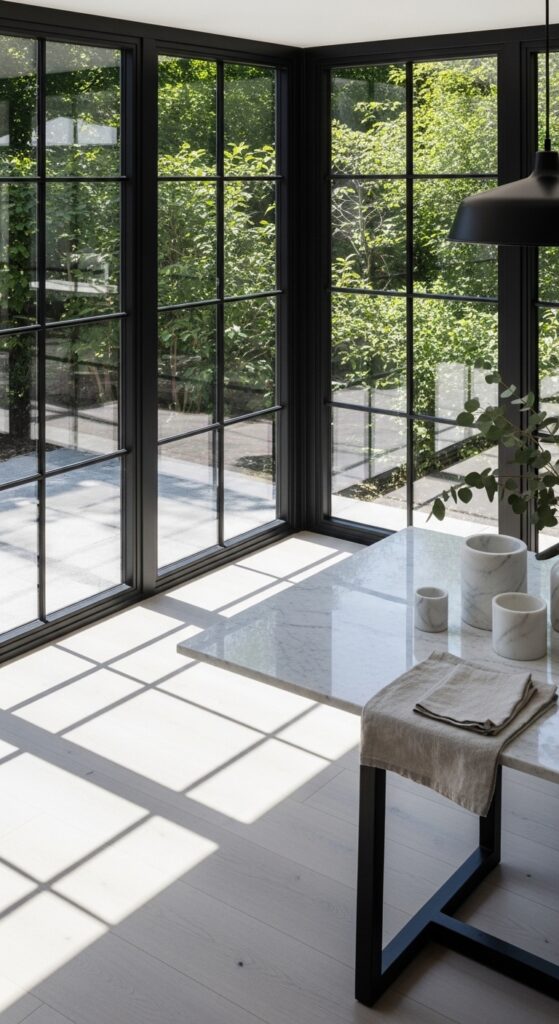
Vibe: Industrial precision meets botanical softness — a sunroom that feels like a couture greenhouse.
What makes it work: Matte black steel frames on large windows create a striking geometric pattern of shadow and light on interior floors throughout the day. The contrast between the crisp black grid and the natural softness of plants and pale wood is a tension that makes modern sunrooms visually compelling.
How to achieve it: For new construction, specify black-painted aluminum windows with thermally broken frames. For a budget-friendly conversion, apply Rust-Oleum Satin Black spray paint to existing white aluminum window frames — it’s durable, affordable, and dramatically changes the room’s aesthetic.
12. Sunroom as a Dedicated Reading Nook
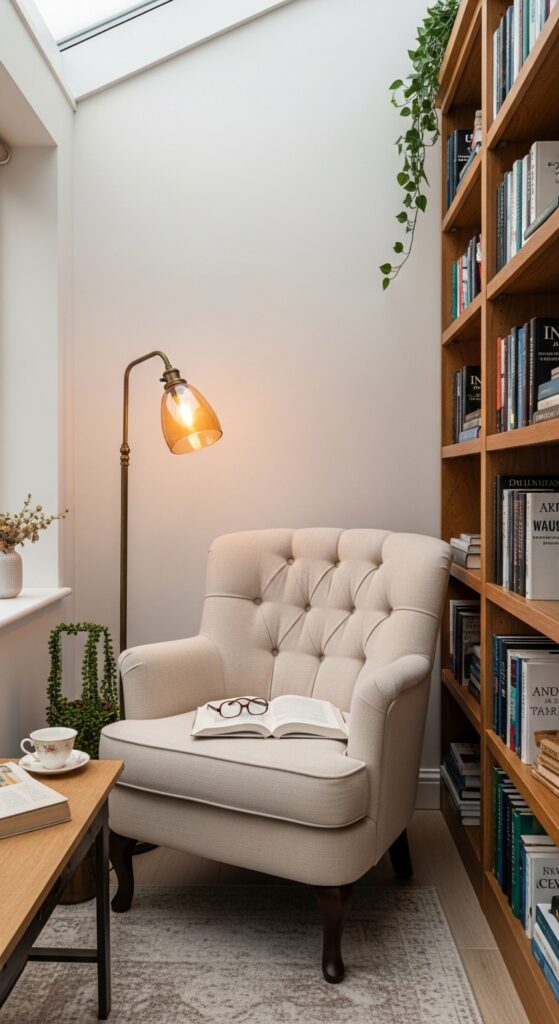
Vibe: Quiet, warm, sun-lit, and entirely yours — the reading room you’ve been imagining for years.
What makes it work: A sunroom has natural advantages as a reading space — abundant light during the day, a connection to the outdoors that reduces mental fatigue, and a physical separation from the main living areas that helps the brain shift into a slower, more focused state.
How to achieve it: A single beautiful armchair positioned to face the garden is the anchor. Add a floor lamp for cloudy days and evenings, a small side table, and built-in or freestanding bookshelves on any solid interior wall. Keep the footprint intentionally small — this room should feel like a retreat, not a library.
13. Ceiling Fan with Rattan or Bamboo Blades for Breezy Style
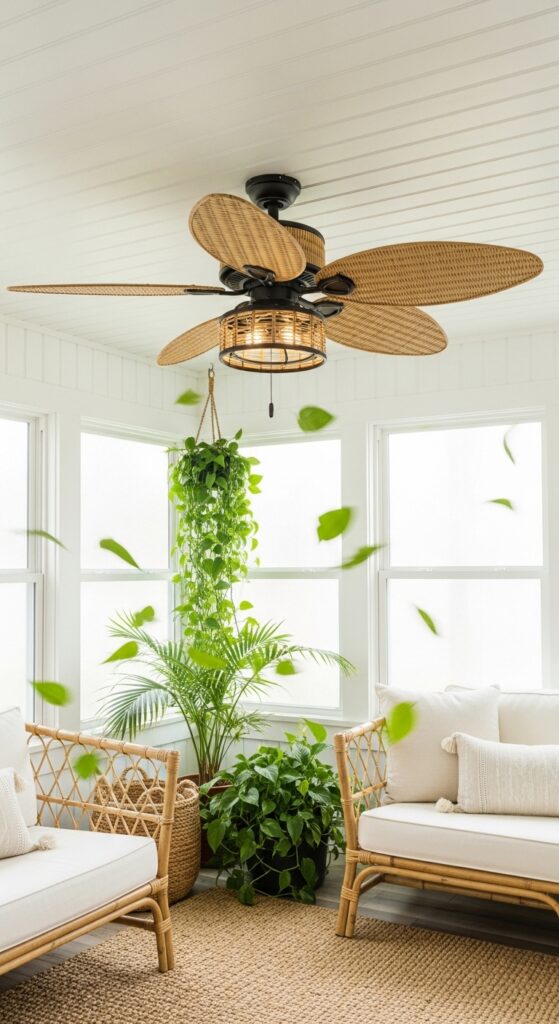
Vibe: Languid, tropical, and perfectly cool — the sound of gentle air movement and the fan’s slow rotation says “vacation” better than any accessory.
What makes it work: A ceiling fan with natural material blades serves both function and aesthetics in a sunroom. The air circulation reduces heat buildup on sunny days — a real practical need — while the rattan or bamboo material reinforces the natural indoor-outdoor design language of the space.
How to achieve it: Hunter Fan’s “Summerwind” and Matthews Fan’s tropical lines offer quality rattan-blade fans with good airflow ratings. For a sunroom used in summer, choose a fan with a minimum 52-inch blade span and a DC motor for quiet, efficient operation at low speeds.
14. Pale Sage Green Walls That Breathe with the Garden
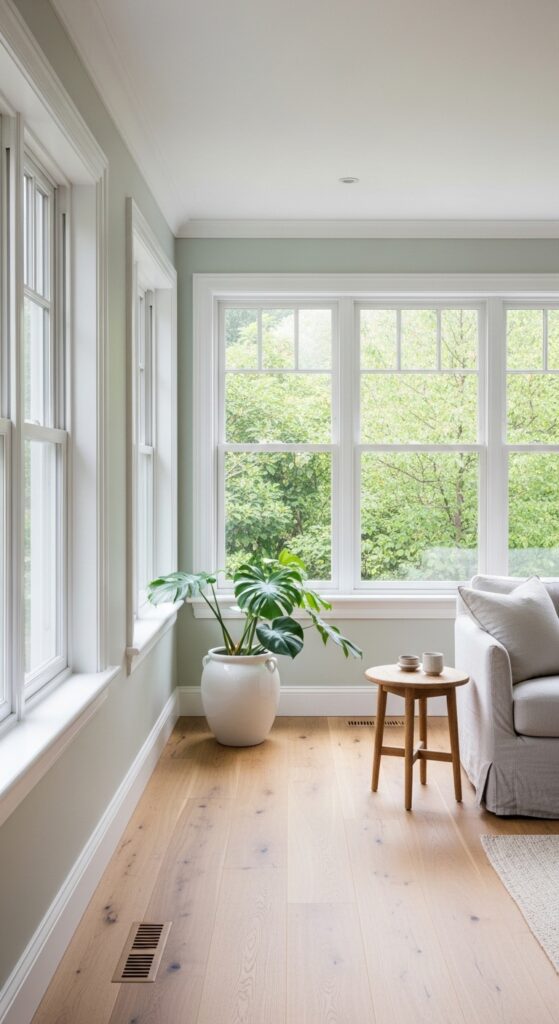
Vibe: Soft, alive, and perfectly in conversation with the garden outside — a color that belongs here as naturally as the plants.
What makes it work: Pale sage green is one of the most successful wall colors for sunrooms because it mirrors the greens visible through the windows, creating a visual continuity between inside and outside that feels harmonious rather than designed. It reads differently at every hour — silvery in morning light, warmer and more saturated in afternoon sun.
How to achieve it: Try Farrow & Ball’s “Mizzle,” Benjamin Moore’s “Saybrook Sage,” or Sherwin-Williams “Aloe” — all three work beautifully in rooms with significant natural light. Use in a matte or eggshell finish to avoid glare from sunlight on walls.
💡 Sage green pairs with nearly every wood tone and metallic, making it one of the most versatile sunroom wall colors.
15. Sunroom Dining Room with a Harvest Table
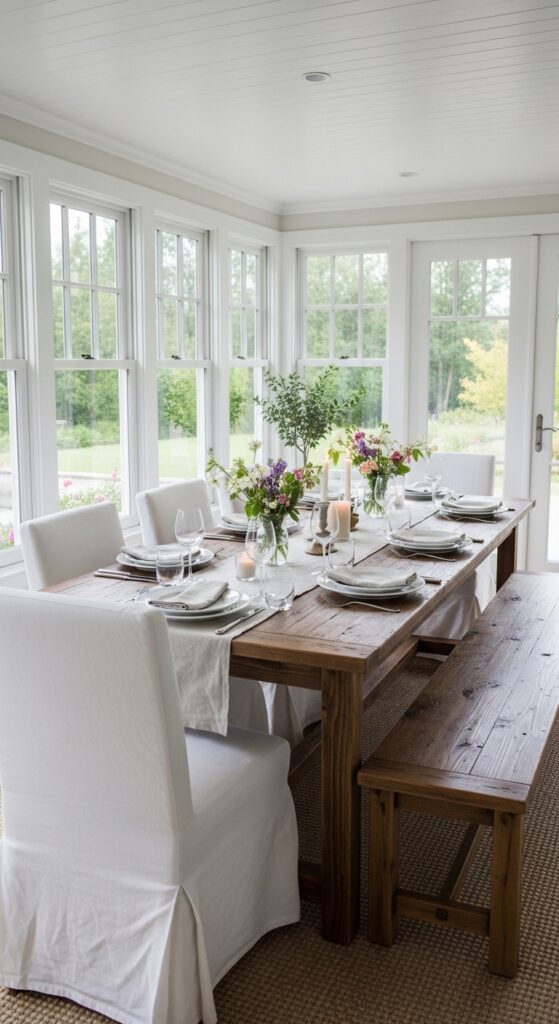
Vibe: This is the table where summer dinners last three hours and nobody wants to leave.
What makes it work: Placing a dining table in a sunroom is one of the most compelling uses of the space because it turns every meal into an experience — light changes, the garden shifts, and the room itself becomes part of the occasion. A long harvest table maximizes the communal feeling.
How to achieve it: A reclaimed wood harvest table anchors the room with warmth and texture. Pair with white slipcovered chairs for an easy-going, washable combination. Keep lighting at table level — low pendant or taper candles — to make evening dinners as beautiful as daytime ones.
16. Hammock or Hanging Chair for a Truly Relaxed Corner
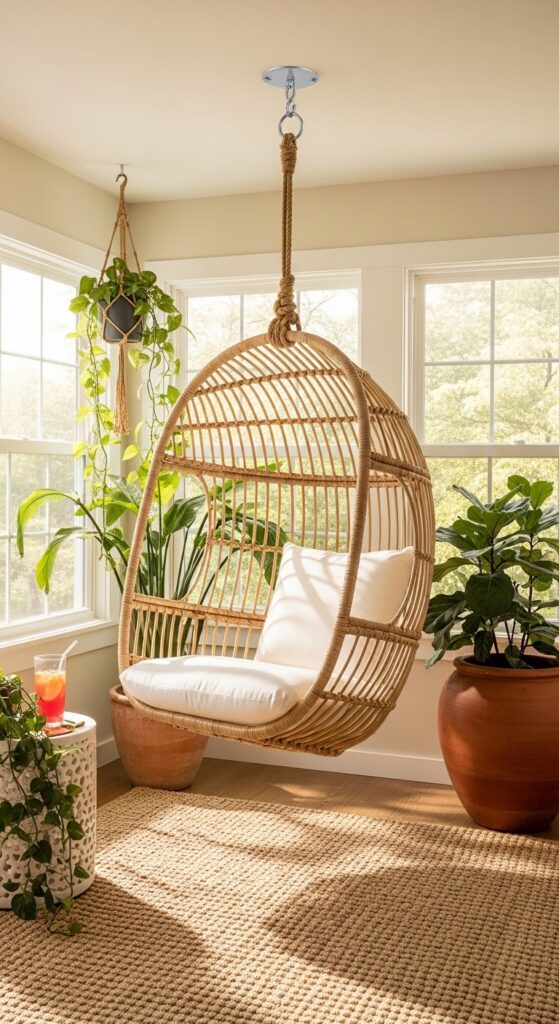
Vibe: This is the chair that makes adults feel like kids again — suspended in light, surrounded by plants, with nowhere to be.
What makes it work: A hanging chair uses vertical space rather than floor space — critical in smaller sunrooms — and its suspension creates gentle movement that amplifies the sunroom’s breezy, outdoor character. It also signals something about how the room is meant to be used: slowly.
How to achieve it: Install a ceiling anchor rated for at least 300 lbs, screwed directly into a joist. Most hanging egg chairs weigh under 25 lbs and require a single robust anchor point. Serena & Lily and World Market both offer well-reviewed rattan hanging chairs at different price points.
17. Skylights for Direct Overhead Light in Interior Sunroom Spaces
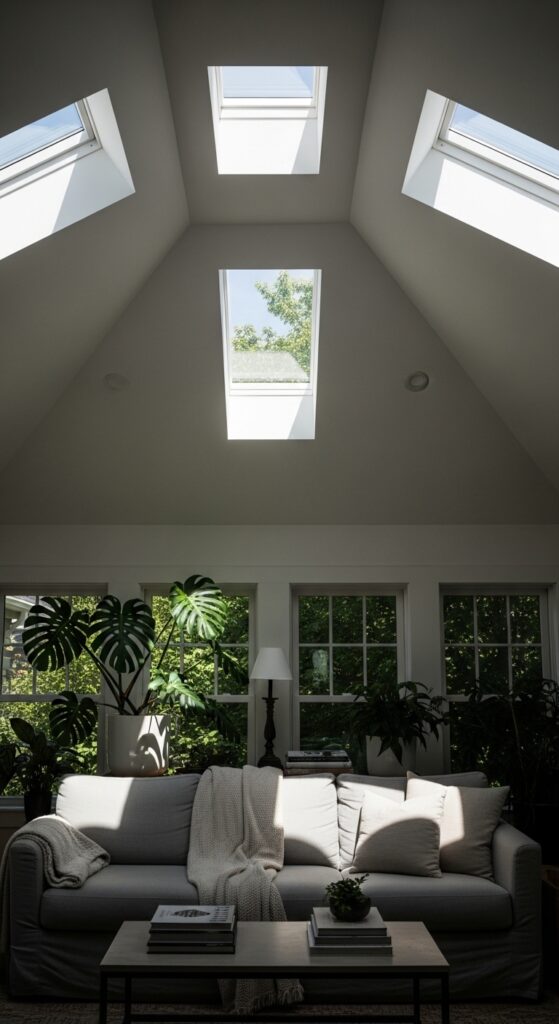
Vibe: The light doesn’t just enter from the sides — it falls directly from above, pooling on surfaces like something sacred.
What makes it work: Skylights in a sunroom solve the fundamental limitation of side windows: they only light spaces near the perimeter. A skylight over the center of the room delivers light to furniture positioned away from windows, making the entire space evenly and generously lit throughout the day.
How to achieve it: Fixed-pane skylights are the most cost-effective option, starting around $500 for the unit plus installation. Velux is the most widely respected brand. Specify Low-E glazing to reduce heat gain while maintaining full light transmission.
💡 A single skylight can add more light to a sunroom interior than adding two additional side windows.
18. Bohemian Layered Textiles and Macramé for Free-Spirited Warmth
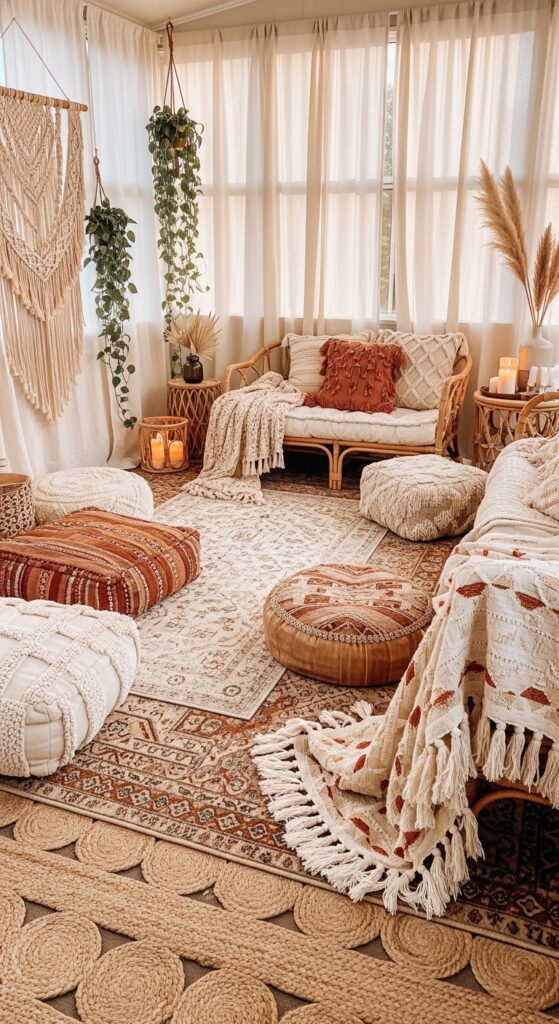
Vibe: Warm, layered, and deeply personal — a sunroom that feels like it was built slowly over years of beloved finds.
What makes it work: Layering textiles — multiple rugs on top of one another, throws draped over furniture, large-scale macramé on walls — creates visual warmth and acoustic softness in a room that might otherwise feel echoey and hard due to all the glass.
How to achieve it: Start with a large natural jute base rug, then layer a smaller, patterned rug on top. Add a macramé wall hanging on the one solid interior wall. Use warm cream, terracotta, and dusty rose tones to keep the layering cohesive rather than chaotic.
19. Coastal Blue and White for a Breezy, Light-Filled Palette
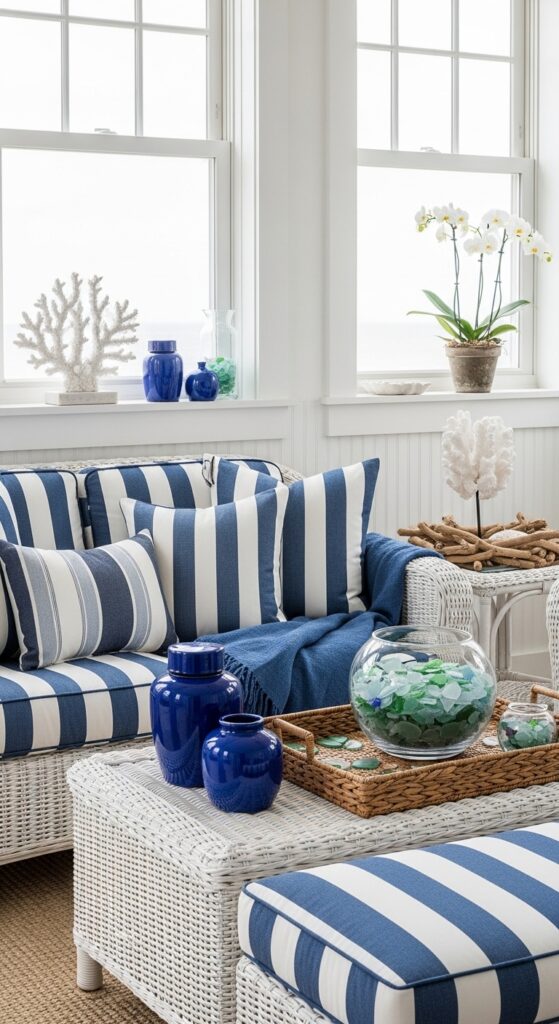
Vibe: Fresh salt air made visible — every surface in this sunroom feels like it was touched by the sea.
What makes it work: The classic coastal palette of crisp white and navy blue performs beautifully in sunrooms because it mirrors the sky and horizon visible through the windows. This color story reads as clean and light-filled regardless of the actual direction the room faces.
How to achieve it: Commit fully to the stripe — navy and white ticking fabric on cushions, throws, and even a small bench cushion creates a cohesive, deliberate coastal look. Add sea glass collected from actual beaches or purchased in bulk for an organic, personal touch on windowsills and trays.
20. Concrete or Stone Floors for an Earthy, Durable Foundation
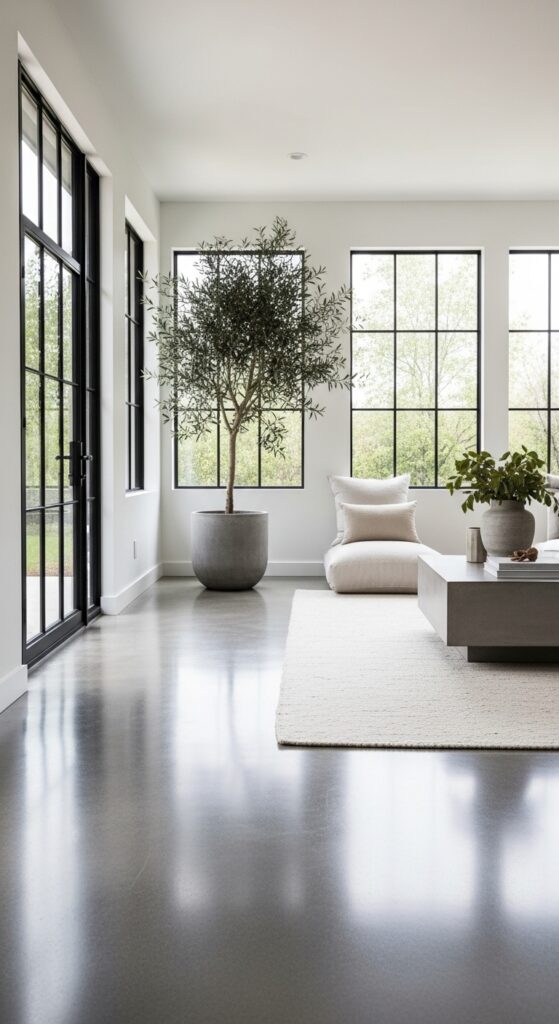
Vibe: Raw, grounded, and quietly beautiful — a sunroom that feels rooted to the earth it sits on.
What makes it work: Concrete or natural stone floors in a sunroom are genuinely practical — they’re impervious to water, sunlight, tracked-in soil, and heavy plant pots. And polished concrete in particular reflects natural light upward, bouncing it around the room in a way that warm-toned flooring cannot.
How to achieve it: Existing concrete slabs can be polished and sealed for $2–$5 per square foot by a concrete finishing contractor. If pouring new, specify a sealed, polished finish. Add a large wool or cotton rug to soften acoustics and provide underfoot comfort in seating zones.
💡 Concrete floors with radiant heat underneath make a sunroom genuinely usable in all four seasons.
21. Antique and Vintage Furniture for a Collected, Timeless Look
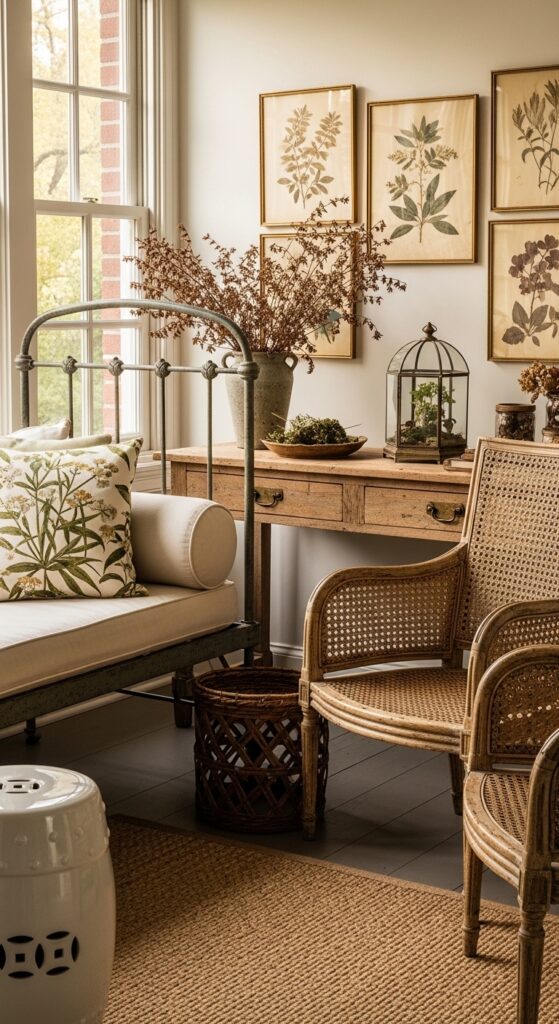
Vibe: This sunroom looks like it has always existed — curated slowly, loved deeply, and completely unrepeatable.
What makes it work: Vintage and antique pieces bring a patina and material depth that new furniture simply cannot replicate. In a sunroom, where the goal is to feel connected to something natural and unhurried, aged rattan, weathered iron, and worn wood communicate that value eloquently.
How to achieve it: Source antique garden furniture from estate sales, Chairish, or 1stDibs for key anchor pieces. Mix one or two genuine antique pieces with sympathetic new items — a vintage iron daybed with fresh custom-cut cushions, for example, balances character with comfort.
22. A Functional Potting Bench Area for Plant Lovers
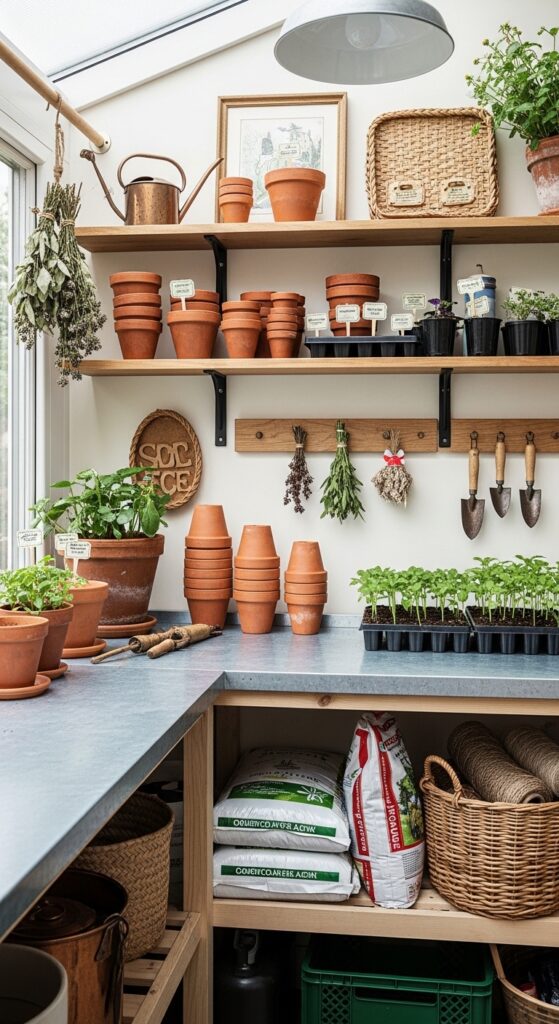
Vibe: A working corner that celebrates the beauty of growing things — utilitarian and romantic at once.
What makes it work: For plant lovers, a dedicated potting station makes a sunroom both more functional and more visually interesting. Open shelving with organized terracotta pots, a zinc or stone work surface, and styled garden tools creates a “beautiful utility” aesthetic that’s genuinely Pinterest-worthy.
How to achieve it: A zinc-topped potting bench can be built from a basic IKEA shelving unit topped with a zinc sheet from a metal supplier. Install one row of open shelves above for pots and supplies. Keep everything visible — the organized display of terracotta and tools is the aesthetic.
23. Curtain Drama with Sheer Linen Panels in Floor-to-Ceiling Length
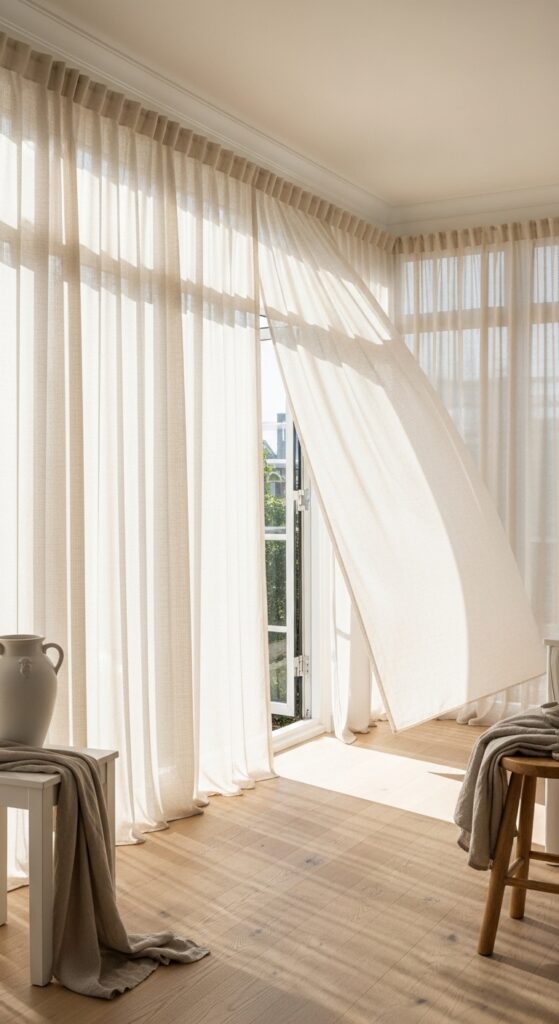
Vibe: Soft, billowing, and dreamlike — like being inside a cloud of warm, diffused light.
What makes it work: Floor-to-ceiling sheer linen panels hung at ceiling height perform a visual magic trick: they make windows look taller than they are and filter sunlight into something even more beautiful than direct light — warm, diffused, and flattering to everything in the room.
How to achieve it: Mount curtain rods at ceiling height rather than at window frame height — this is the most impactful and least expensive upgrade in any room. Use ready-made sheer linen panels from IKEA (LILL or LISELOTT) and simply hem to floor length. Let them pool slightly on the floor for a romantic, editorial look.
24. A Murphy Bed or Daybed for a Dual-Purpose Guest Sunroom
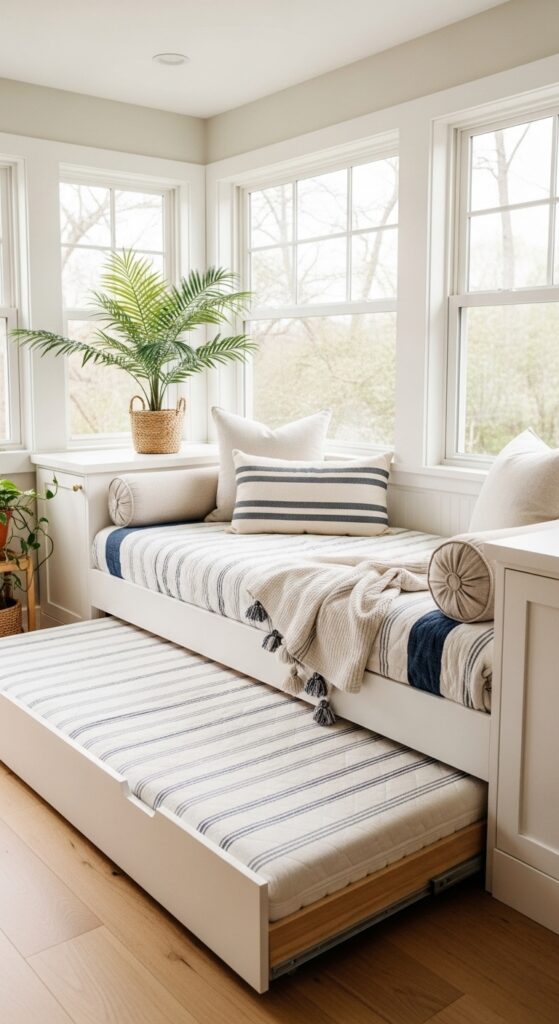
Vibe: Equal parts lounging and hosting — a sunroom that doubles its value without sacrificing an inch of its beauty.
What makes it work: A built-in daybed with a trundle gives a sunroom genuine overnight hosting capability without the visual weight of a formal bed. During the day, styled with bolster pillows and a throw, it reads as a lounge. At night, pulled out and made up, it becomes a genuinely comfortable guest accommodation with spectacular morning light.
How to achieve it: Build the daybed base from standard IKEA cabinet carcasses with a plywood platform top. Commission a 5-inch foam mattress cut to size with a washable cover. Size to a twin or full — most sunrooms accommodate up to a full size comfortably along one interior wall.
25. Edison Bulb String Lights for Evening Ambience
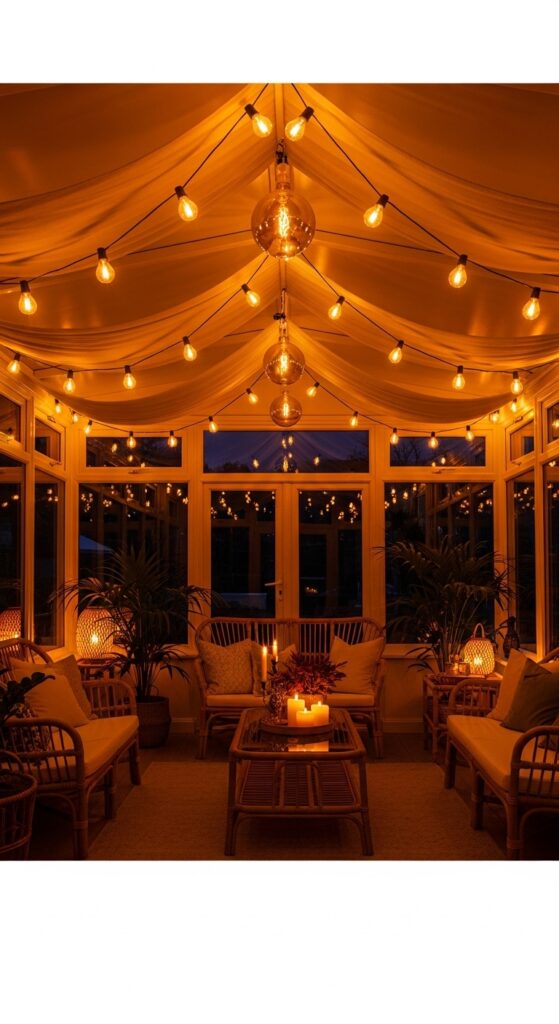
Vibe: After the sun goes down, this sunroom transforms into something genuinely magical — warm, glowing, and impossibly romantic.
What makes it work: String lights draped in a canopy across the ceiling create an overhead glow that mimics the outdoor twinkle of starlight, making an evening in the sunroom feel like dining al fresco — with the comfort of a roof. The Edison bulb’s warm amber 2200K color temperature is far more flattering and inviting than cool LED alternatives.
How to achieve it: Use S14 or G40 Edison globe string lights on a dimmer switch. Attach them to ceiling hooks spaced 18 inches apart in a grid pattern, then drape the string loosely between them. Solar-powered or plug-in options eliminate the need for electrician work.
💡 String lights on a dimmer transform the same room into four completely different moods within a single evening.
26. Herb and Kitchen Garden Corner for Practical Beauty
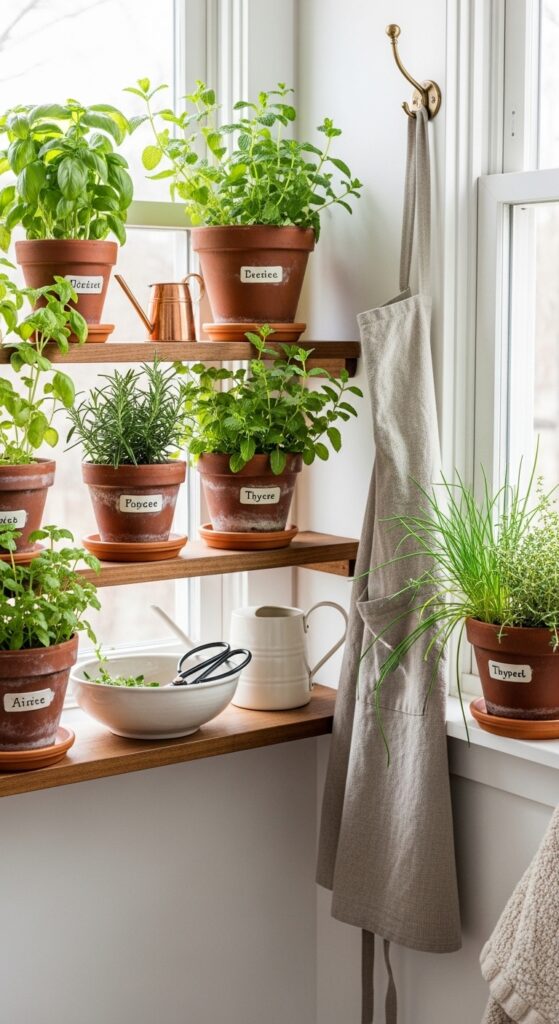
Vibe: Fragrant, functional, and quietly lovely — a corner of the sunroom that earns its keep every single day.
What makes it work: A kitchen herb corner placed in a sunroom serves double duty as genuine culinary utility and a living display. Fresh herbs require bright direct light — exactly what a sunroom provides — and their varying leaf textures and greens create a display that’s as visually compelling as any bought arrangement.
How to achieve it: Install a three-tier wooden shelf in your brightest window. Plant basil, mint, rosemary, thyme, and chives in terracotta pots — these five cover most everyday cooking needs. Label with handwritten ceramic plant markers for a finished, intentional look.
27. Sisal and Natural Fiber Rugs for Grounded Organic Texture
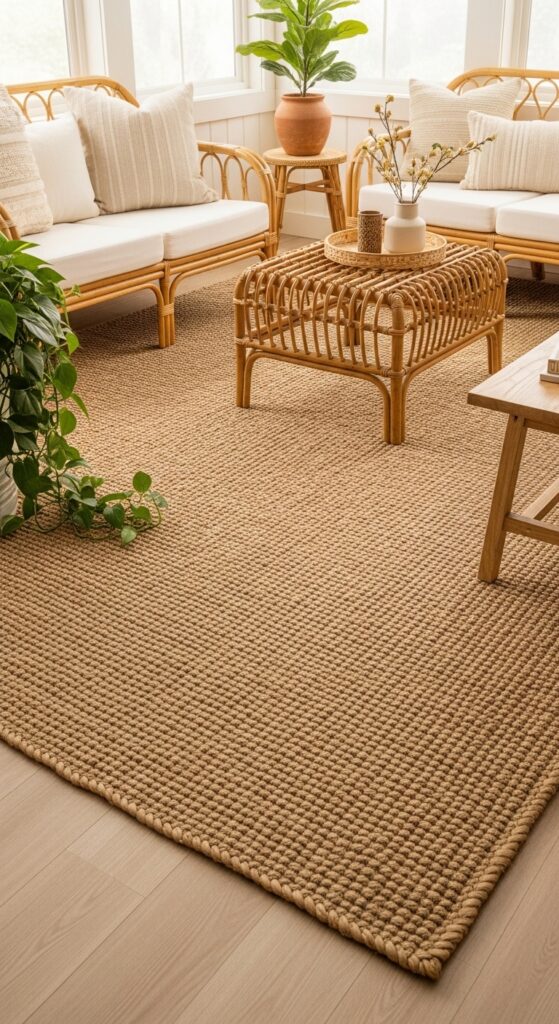
Vibe: Grounded, textured, and completely at home — a floor covering that feels like it belongs to the earth.
What makes it work: Natural fiber rugs — sisal, jute, seagrass — bring a coarse, earthy texture to a sunroom that reinforces its connection to the outdoors. They also define seating zones clearly without the visual heaviness of a thick pile rug, keeping the room feeling light and airy.
How to achieve it: Choose sisal over jute for higher durability and better stain resistance — an important consideration in a room with plants and foot traffic. Add a thin felt rug pad beneath to protect hardwood or tile floors and prevent slipping. IKEA, Pottery Barn, and Ruggable all offer affordable natural fiber options.
28. A Fully Furnished Four-Season Sunroom with Radiant Heat
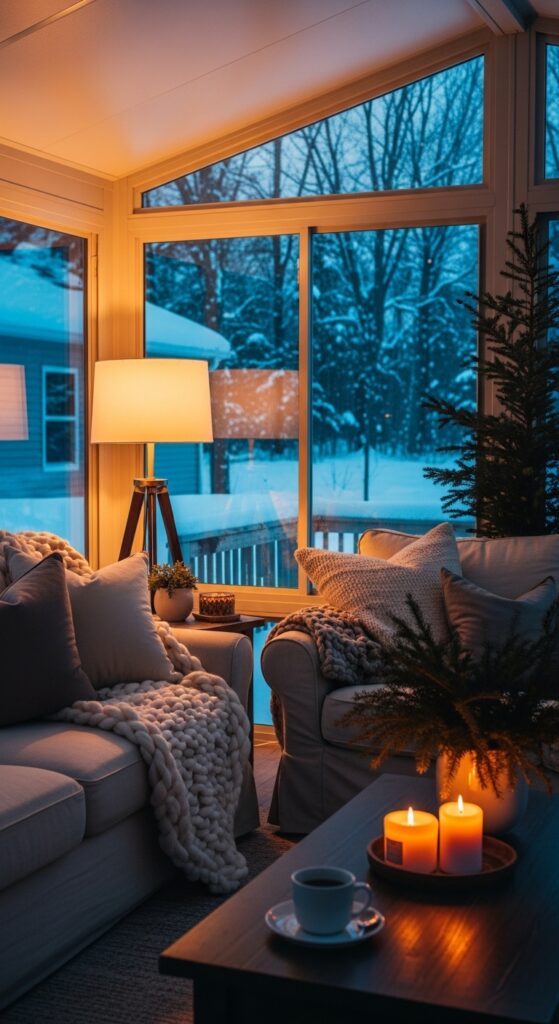
Vibe: Everything winter wants to be — outside it’s cold and white, inside it’s warm, lit, and impossibly inviting.
What makes it work: A properly insulated four-season sunroom with radiant floor heat turns what could be a seasonal room into the most-used space in the house year-round. The visual drama of winter light and snow through triple-pane glass — from the comfort of a warm, furnished interior — is one of the most rewarding experiences in home design.
How to achieve it: Key specs for a true four-season sunroom: triple-pane Low-E glass, thermally broken window frames, insulated roof panels rated to R-30 or above, and either electric radiant floor heat or a direct connection to your home’s HVAC system. Sunspace and Four Seasons Sunrooms are reputable manufacturers with regional dealers nationwide.
How to Start Your Bright Sunroom Transformation
The single most important first step in any sunroom project is to address the light. Before buying furniture, before choosing a color palette, stand in the room at three different times — morning, noon, and late afternoon — and observe what the light actually does. Note where it pools, where it’s harsh, and where it’s soft. Every decision you make should work with that light, not fight it.
From there, the easiest entry point is furniture. Rattan or wicker seating is widely available at accessible price points, and one or two well-chosen natural fiber pieces will immediately shift the room’s energy. Resist the urge to replicate your indoor living room — sunrooms need breathing room and organic materials.
The most common mistake in sunroom design is blocking the light with heavy curtains, dark furniture, or too many accessories. When in doubt, edit ruthlessly. The light is doing most of the work; your job is simply to get out of its way.
A complete sunroom refresh — new furniture, paint, plants, lighting, and textiles — can be accomplished for $800–$2,500 depending on scale and sourcing strategy. A single structural improvement like a skylight or new windows is a larger investment but dramatically changes the room’s potential. Start with the quick wins, and plan the structural upgrades over time.
Frequently Asked Questions
What is the best furniture for a bright sunroom?
Rattan, wicker, and teak are the most popular sunroom furniture materials because they’re designed to handle humidity, UV exposure, and temperature fluctuation. Rattan and wicker are lightweight and look beautiful with natural linen or Sunbrella cushion covers. Teak is heavier and more formal, with a warm honey tone that develops silver patina beautifully over time. Avoid upholstered sofas with non-removable covers — in a sunroom, you need fabric you can clean easily.
What colors work best for sunroom walls?
Pale sage green, warm white, soft terracotta, and coastal blue all perform beautifully in sunrooms because they complement rather than compete with the natural light. Avoid very cool greys and stark whites — they read as clinical under bright light. Benjamin Moore “Saybrook Sage,” Sherwin-Williams “Alabaster,” and Farrow & Ball “Mizzle” are consistently cited by designers as ideal sunroom colors.
How do I make my sunroom usable in summer without overheating?
The most effective solutions are Low-E glass (which reflects infrared heat while transmitting visible light), a ceiling fan with a minimum 52-inch blade span, exterior shade sails or pergola screening over south-facing glass, and light-colored interior surfaces that reflect rather than absorb heat. Sheer linen curtains can also diffuse direct summer sun without blocking the view or the light.
Can a sunroom be used as a bedroom?
Yes — and a sunroom bedroom with morning light is one of the most beautiful sleeping environments possible. For full-time use, ensure the room has proper insulation, heating, cooling, and blackout capability (layered with sheers for daytime privacy). A built-in daybed with a trundle works best for occasional guest use; for a primary bedroom conversion, install a Murphy bed to maintain daytime living functionality.
How much does it cost to furnish a sunroom?
A complete sunroom furnishing — sofa or seating group, coffee table, area rug, lighting, and accessories — typically ranges from $800 to $4,000 depending on material quality and sourcing strategy. Budget-friendly approaches include IKEA rattan pieces, vintage market finds for character pieces, and handmade or DIY cushion covers. A single investment in quality outdoor-rated cushion fabric (like Sunbrella) extends the life of all your seating by 5–10 years and is worth the premium.
Ready to Create Your Dream Bright Sunroom Space?
You now have 28 genuinely different, actionable ideas — from dramatic floor-to-ceiling glass and moody terracotta floors to cozy reading nooks, herb gardens, and glowing string-light canopies for evenings that last a little longer than they should. Save the ones that made your heart do something, pin the combinations that feel like you, and remember that the most beautiful sunrooms weren’t designed all at once — they were built slowly, piece by piece, with intention. Start with one change today: move a chair toward the light, hang a sheer linen curtain at ceiling height, or bring in one oversized plant. The transformation always begins smaller than you think. Your bright, warm, light-filled sunroom is closer than it looks.