If your hair is thin and fine, you've probably felt like a bob should be the easy, low-maintenance choice — but instead it ends up looking flat and stringy by midday. It's discouraging when a cut that's supposed to be simple still leaves you fighting for volume every time you style it.
A shaggy bob solves this without asking for a dramatic change. The built-in texture and movement of a shag do a lot of the volumizing work for you, so your hair looks fuller with far less effort. Here are 27 shaggy bob styles built to add body and life to thin, fine hair.
1. Textured Shag Bob with Curtain Bangs
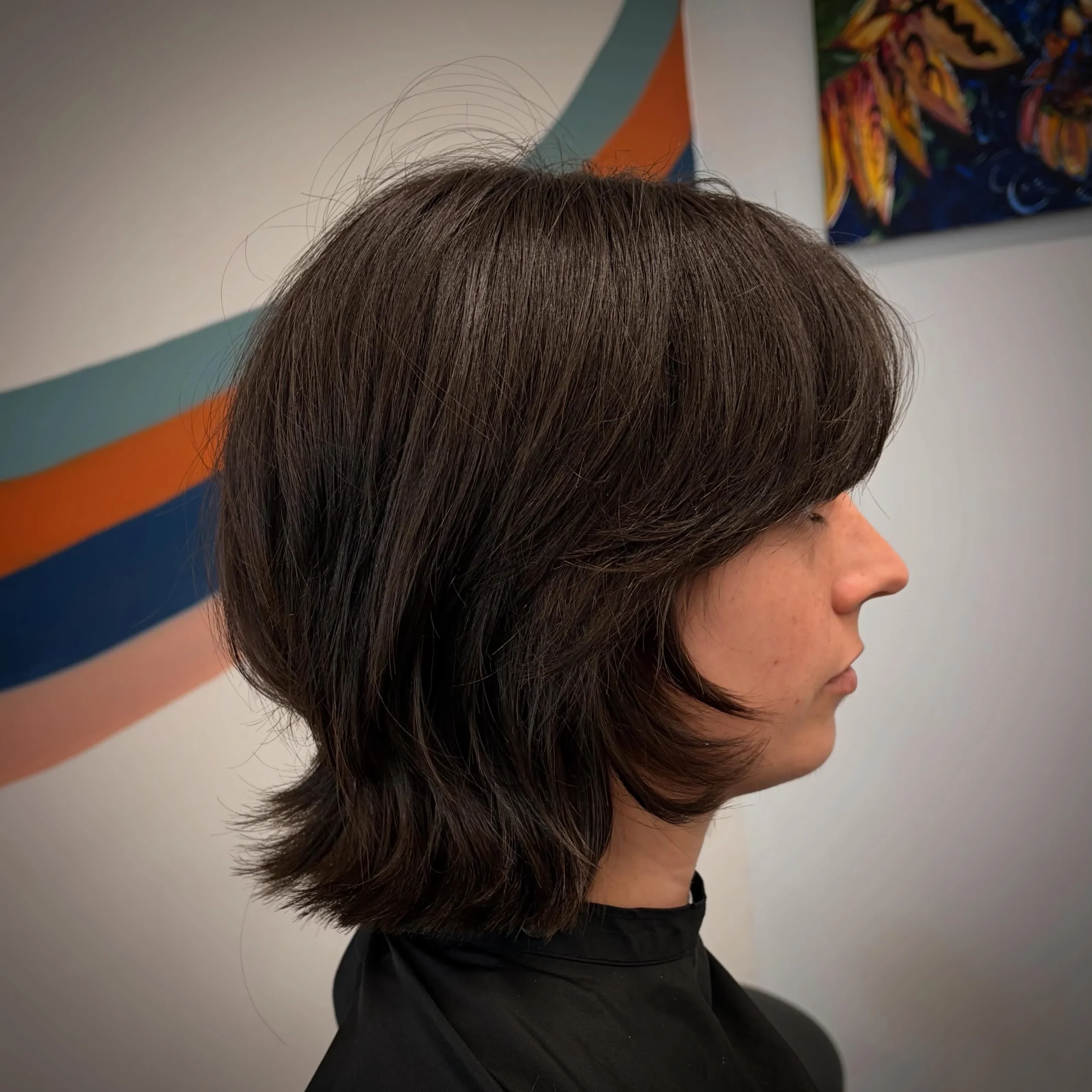
Why it works: The layered texture of a shag bob adds visual thickness throughout the length, while soft curtain bangs frame the face and distract from any thinness near the hairline.
Ask for: Ask your stylist for "a shag bob with heavy texture throughout and curtain bangs parted at the center."
2. Choppy Shag Bob with Root Volume
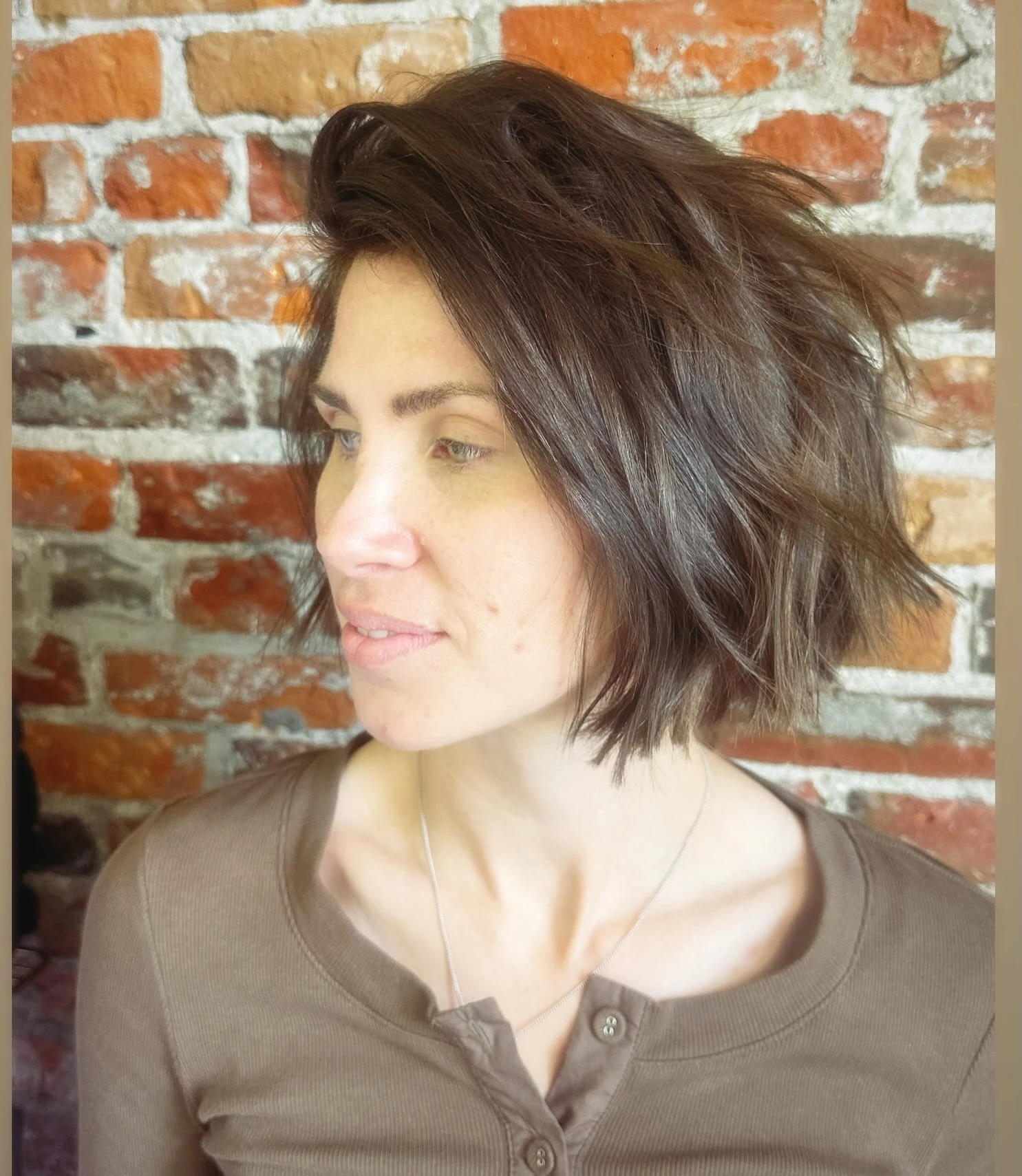
Why it works: Lifting the roots before the choppy layers fall into place compensates for hair that has naturally thinned, making the whole style read as fuller from the very first inch.
Ask for: Ask for "a choppy shag bob blow-dried with root lift using a round brush, focusing volume at the crown."
3. Shaggy Lob with Face-Framing Layers

Why it works: A longer shag with layers concentrated around the face draws the eye toward movement near the front, keeping attention away from thinner areas at the crown or part.
Ask for: Ask for "a shaggy lob with the framing layers cut a few inches shorter than the rest of the length."
4. Wispy Shag Bob
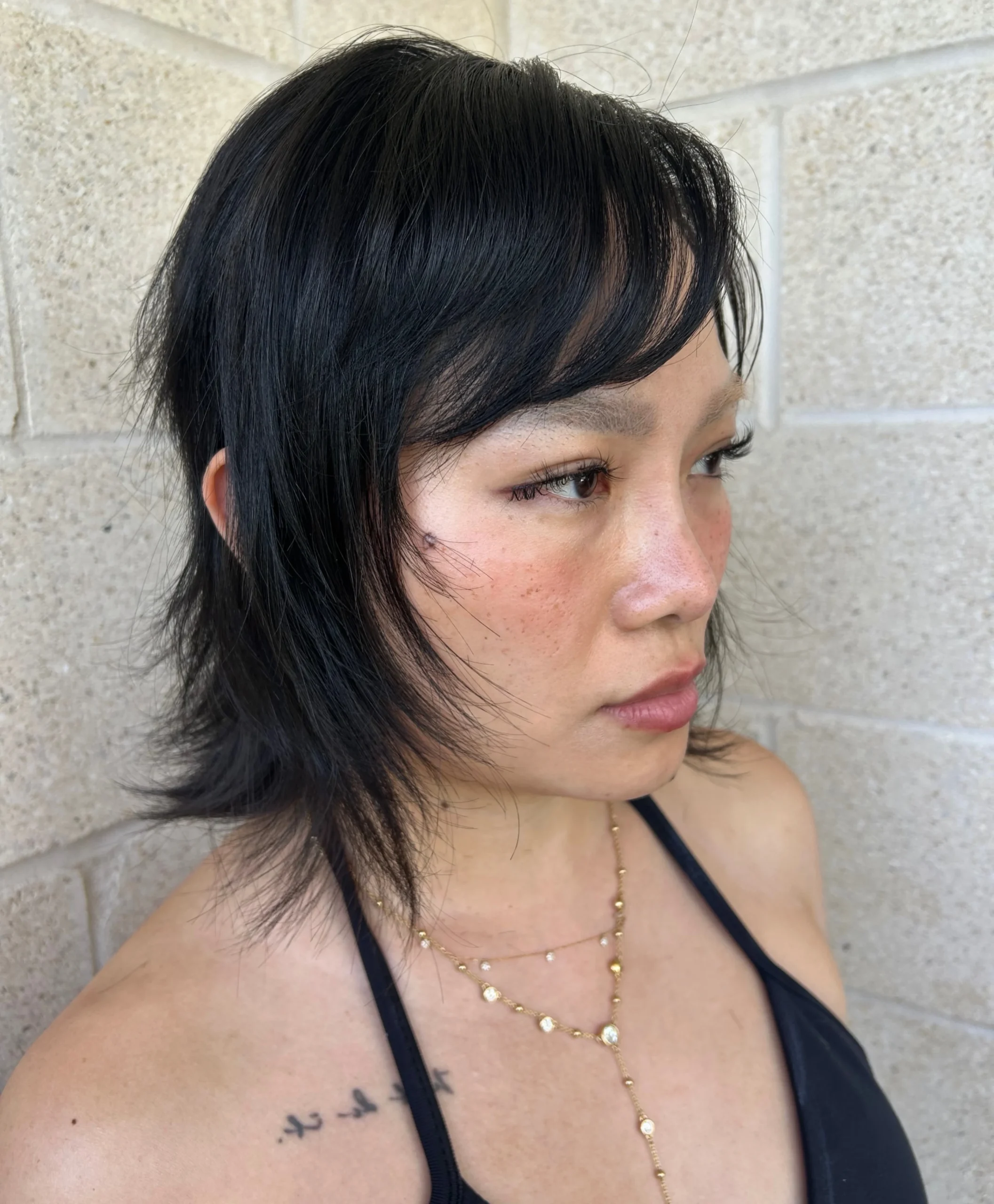
Why it works: Light, wispy ends throughout a shag bob keep the style from ever looking heavy or weighed down, which suits fine hair far better than dense, blunt layering.
Ask for: Ask for "a wispy shag bob, thinned throughout with point-cutting rather than blunt layering."
5. Shaggy Bob with Side-Swept Bangs
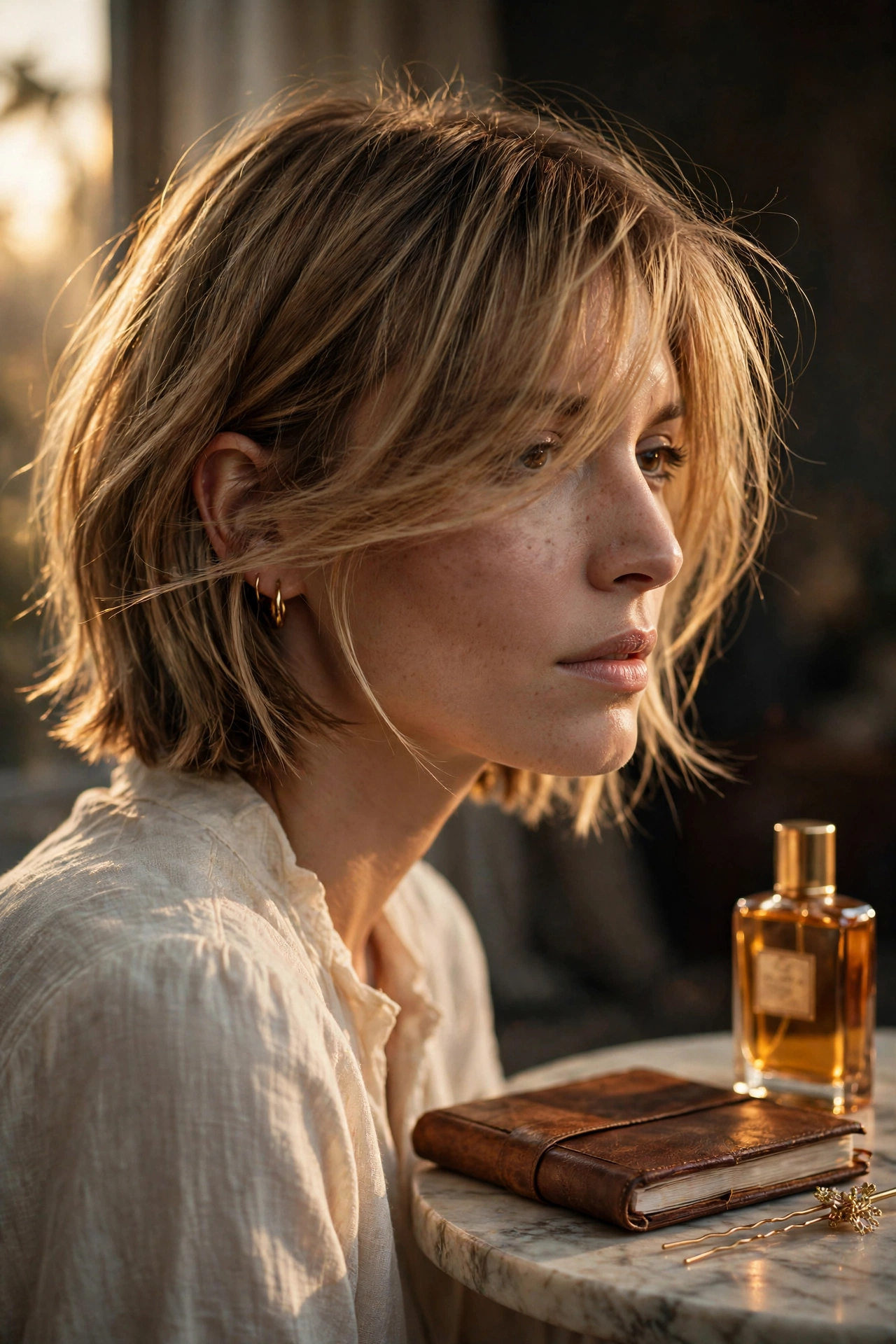
Why it works: A deep side sweep creates a diagonal line of movement across the forehead, adding shape and softness that a straight-across bang wouldn't provide on fine hair.
Ask for: Ask for "long side-swept bangs cut at a 45-degree angle, blended into the shaggy layers with no harsh line."
6. Piece-y Shag Bob
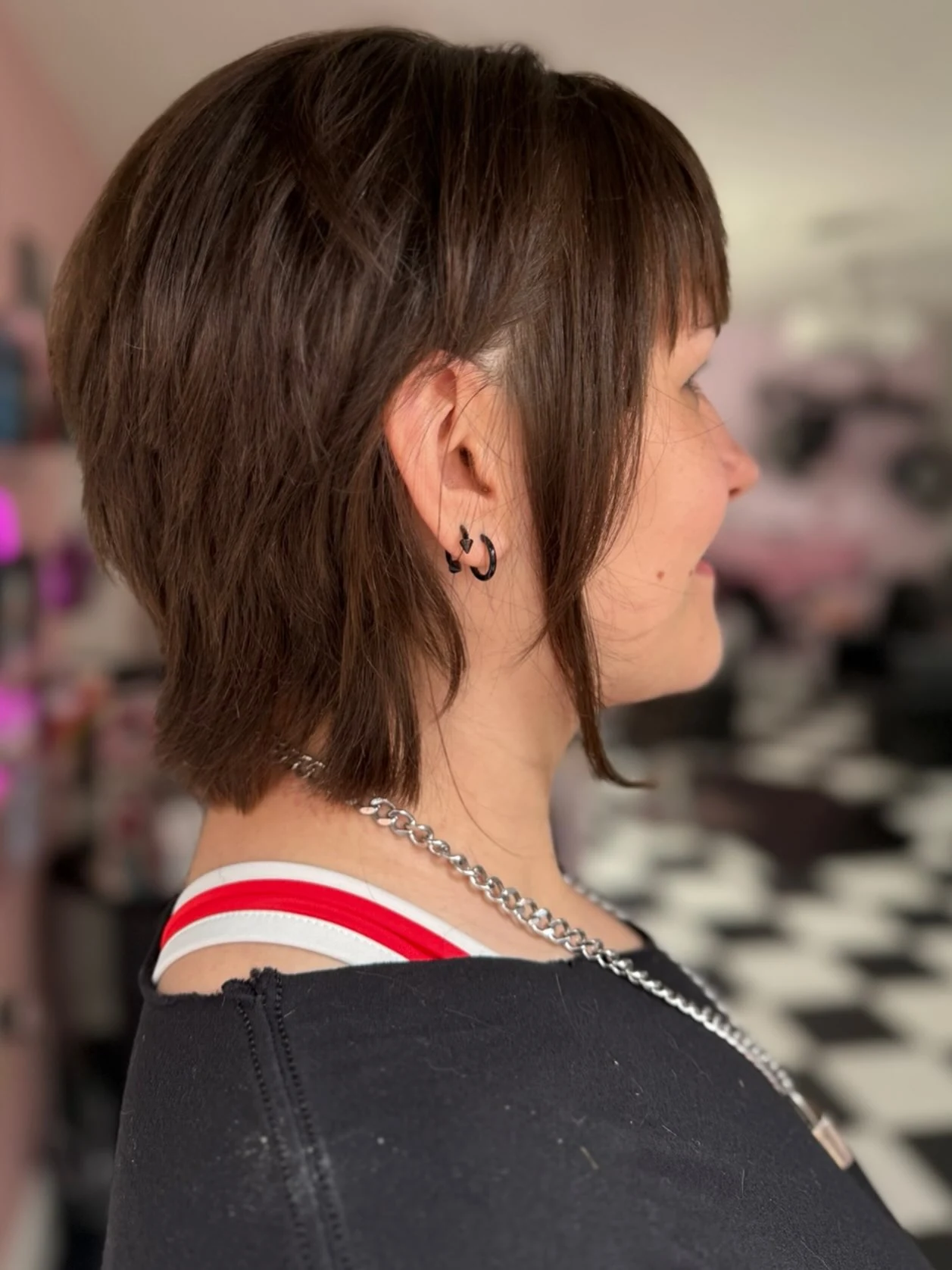
Why it works: Defined, separated pieces create the appearance of density by breaking the hair into distinct sections rather than one flat mass, which reads as fuller on camera and in person.
Ask for: Ask for "a shag bob finished with a small amount of wax at the ends for defined, piece-y separation."
7. Shaggy Bob with Deep Side Part
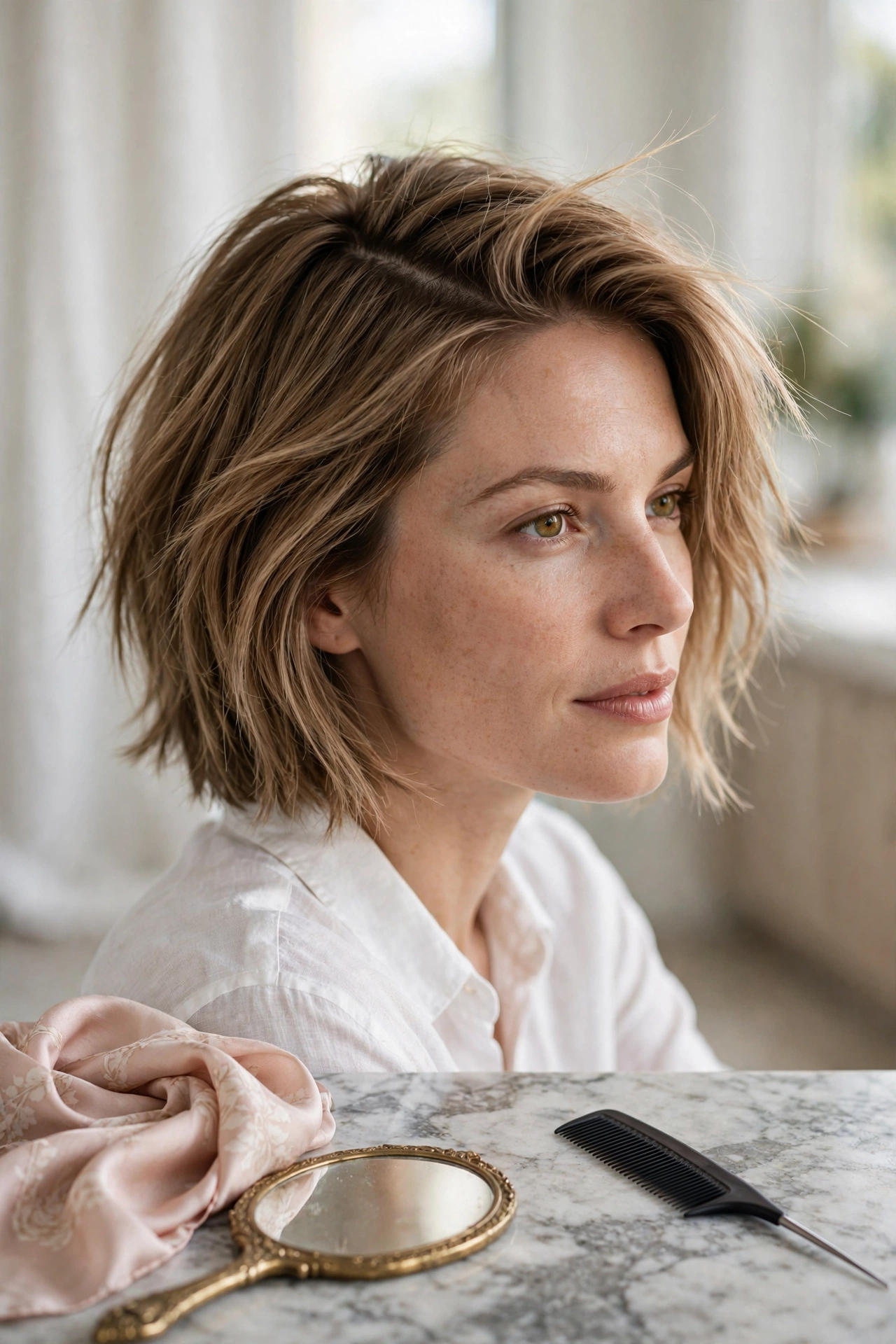
Why it works: A deep side part naturally lifts the roots on the heavier side, instantly creating volume at the crown without requiring extra time at the mirror.
Ask for: Ask for "a shaggy bob styled with a deep side part, blow-dried with lift concentrated on the heavier side."
8. Feathered Shag Bob
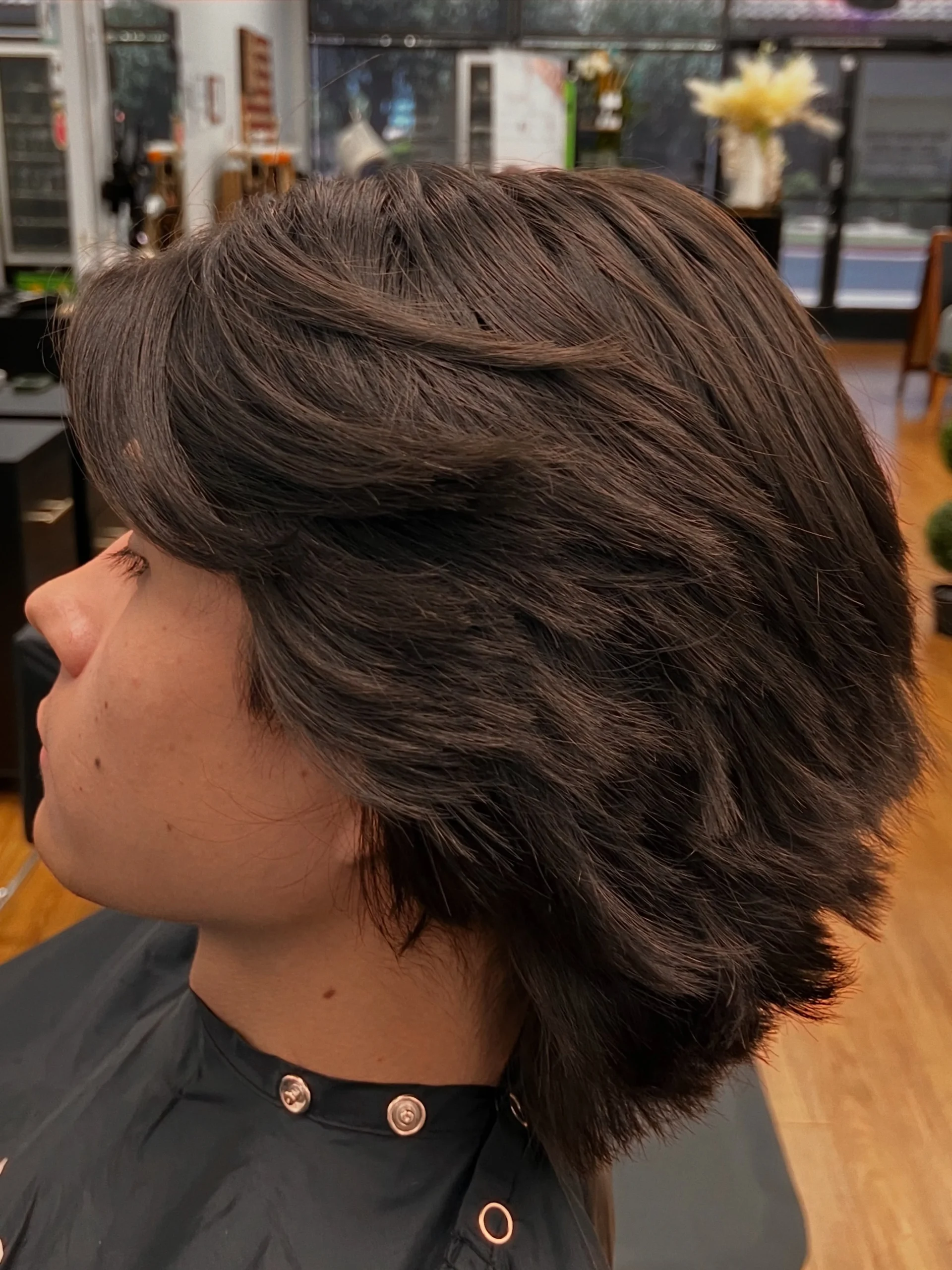
Why it works: Feathered layers create gentle, blended movement rather than sharp edges, giving fine hair a soft fullness that still looks natural and easy to maintain.
Ask for: Ask for "a shag bob cut into feathered layers, blow-dried with a round brush for soft, blended movement."
9. Shaggy Bob with Undercut Nape
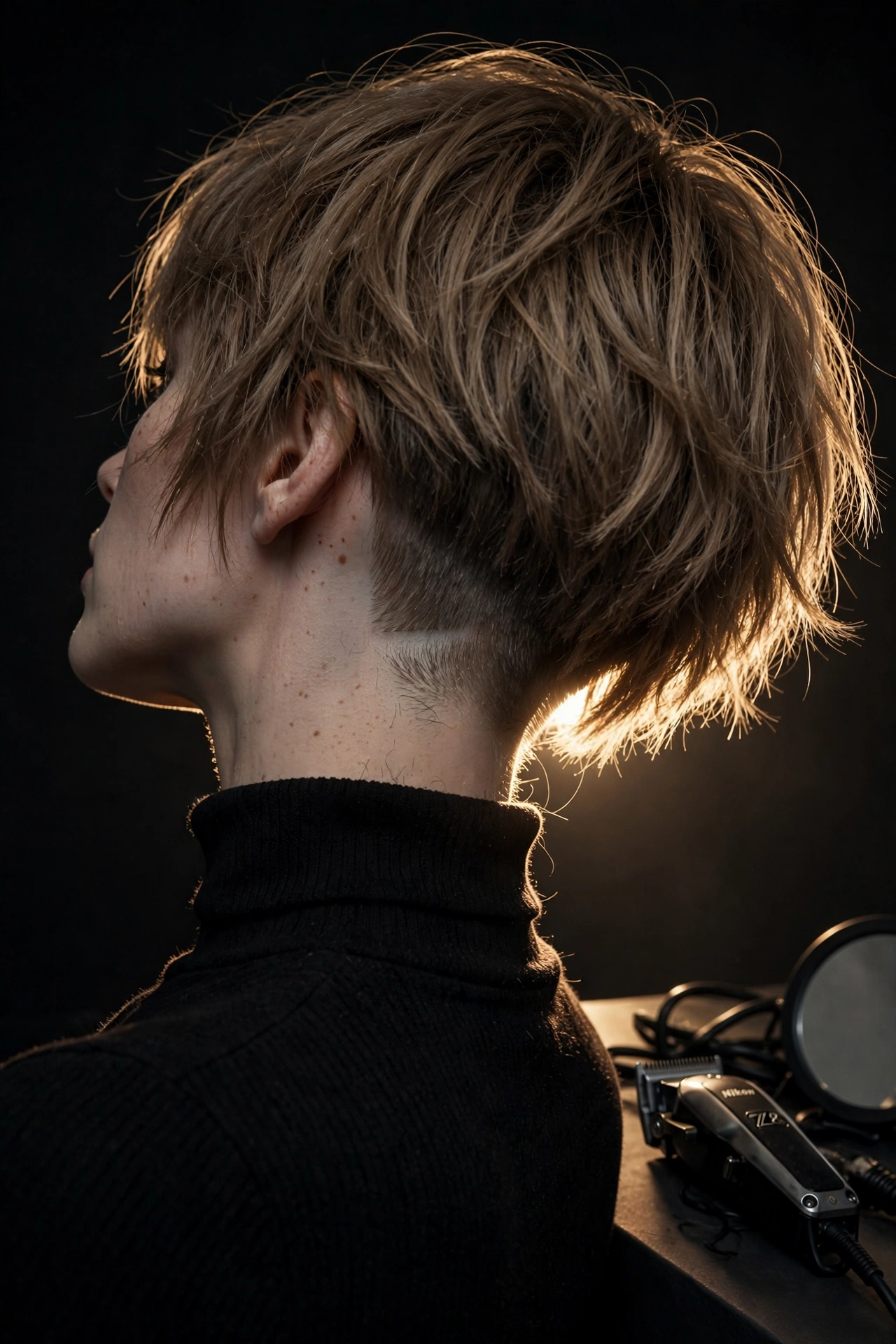
Why it works: Removing bulk underneath with a subtle undercut keeps the visible top layers looking thicker by comparison, since less thin hair is competing for attention beneath them.
Ask for: Ask for "a shaggy bob with a subtle undercut trimmed close at the nape, hidden under the top layer."
10. Wavy Shaggy Bob

Why it works: Loose waves add bend and texture throughout the shag, which keeps fine hair from hanging flat and gives the illusion of more body from root to end.
Ask for: Ask for "a shaggy bob curled in loose sections with a medium wand, then brushed out gently for softness."
11. Shaggy Bob with Blunt Underlayer
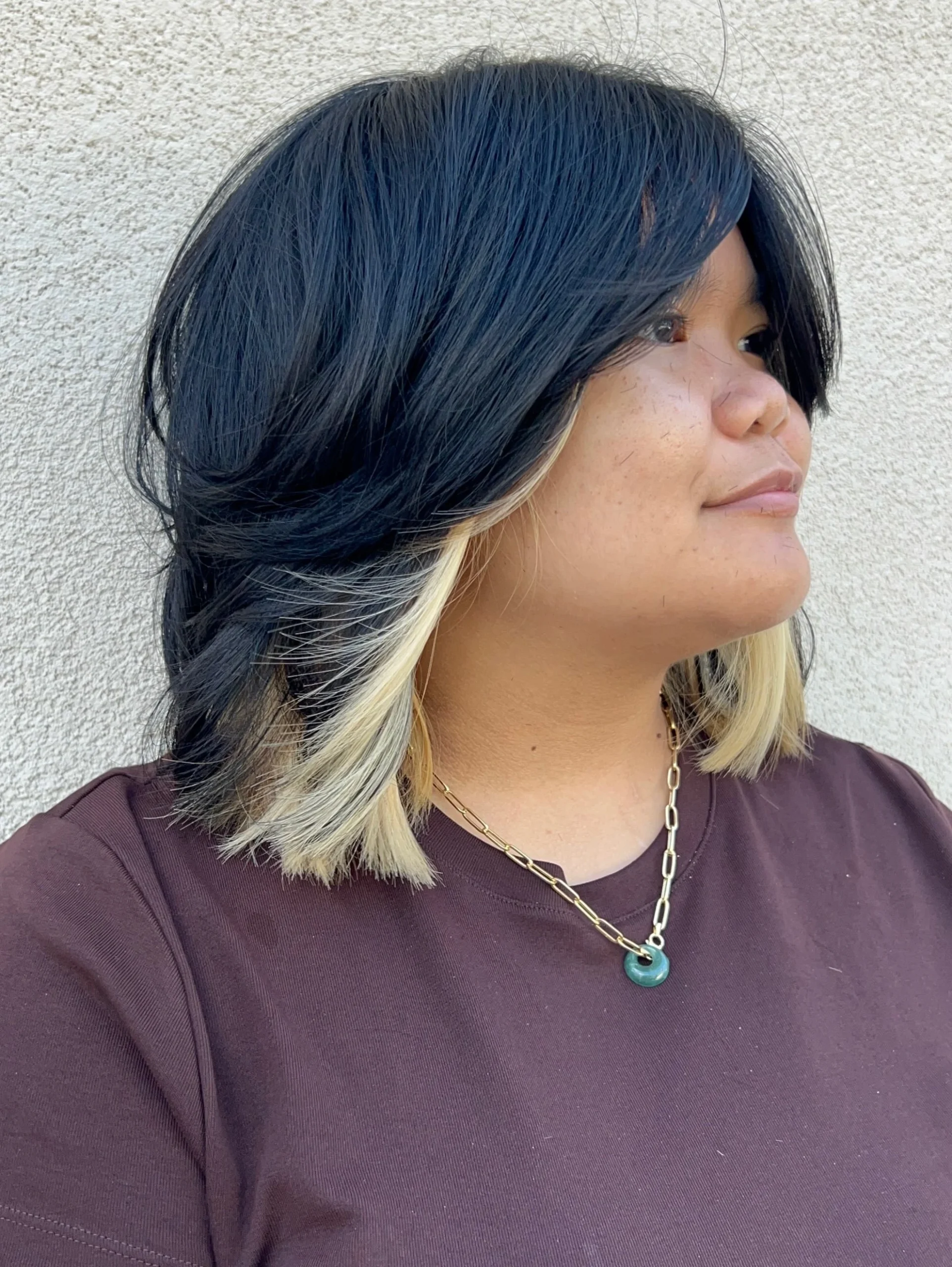
Why it works: Keeping the underlayer blunt while texturizing the top creates a hidden base of density, so the hair looks thick and healthy even when the surface layer is light and airy.
Ask for: Ask for "a shaggy bob with the underlayer left blunt and the top layer point-cut for texture."
12. Asymmetrical Shaggy Bob
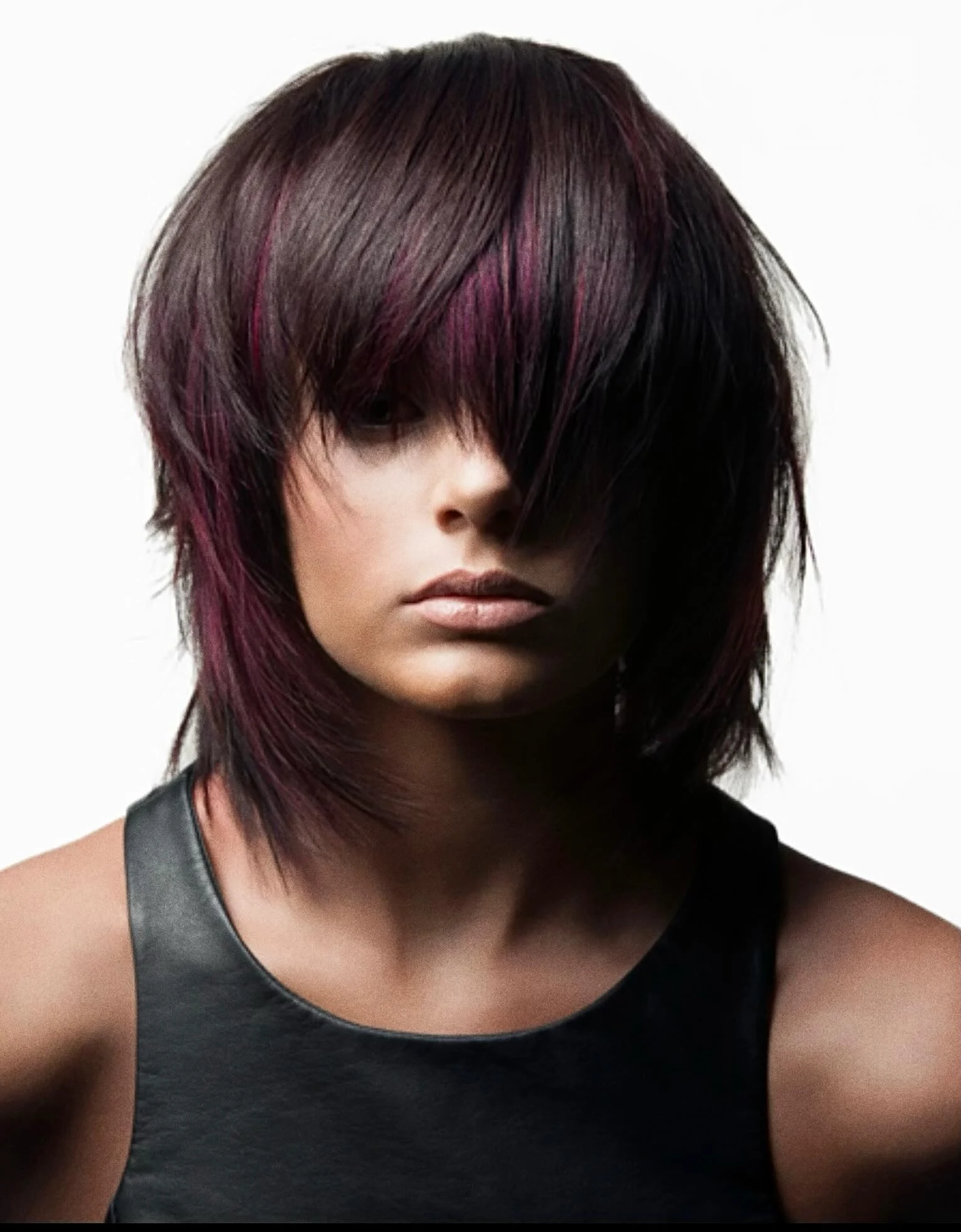
Why it works: An intentional length difference from side to side adds structure and a modern edge, which keeps a shag from reading as too soft or shapeless on fine hair.
Ask for: Ask for "an asymmetrical shaggy bob with one side cut a couple of inches longer than the other."
13. Shaggy Bob with Micro Fringe
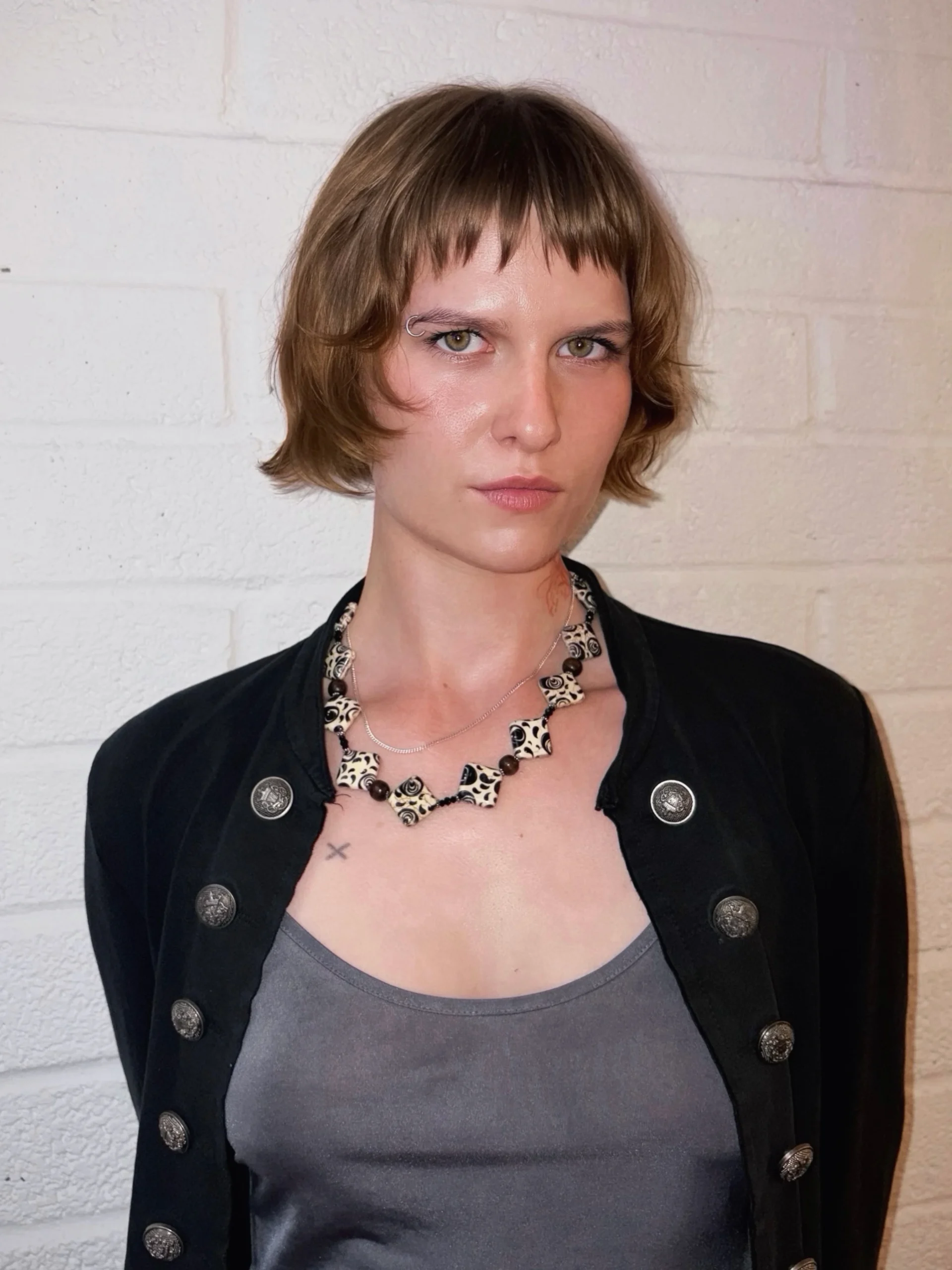
Why it works: A short micro fringe adds a bold focal point at the top of the face, drawing attention upward and giving the whole shag a playful, youthful energy.
Ask for: Ask for "a short micro fringe cut well above the brow, textured to blend into the shaggy layers."
14. Stacked Shaggy Bob
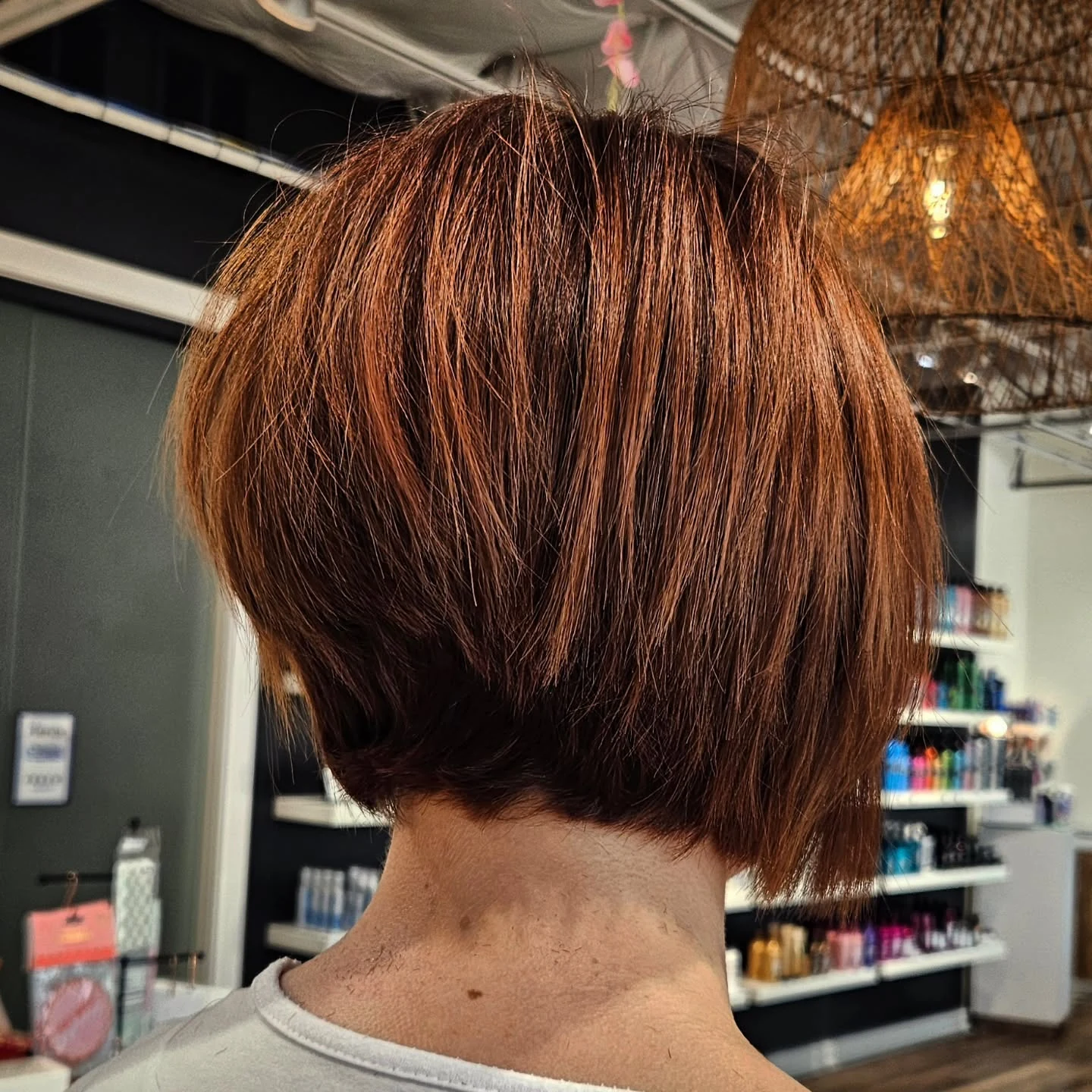
Why it works: Stacking shorter layers at the back builds graduated volume that fills out the silhouette from behind, an area that often looks especially flat on fine, straight hair.
Ask for: Ask for "a stacked shaggy bob, graduated shorter at the back with more volume built into the layers."
15. Shaggy Bob with Long Face-Framing Pieces
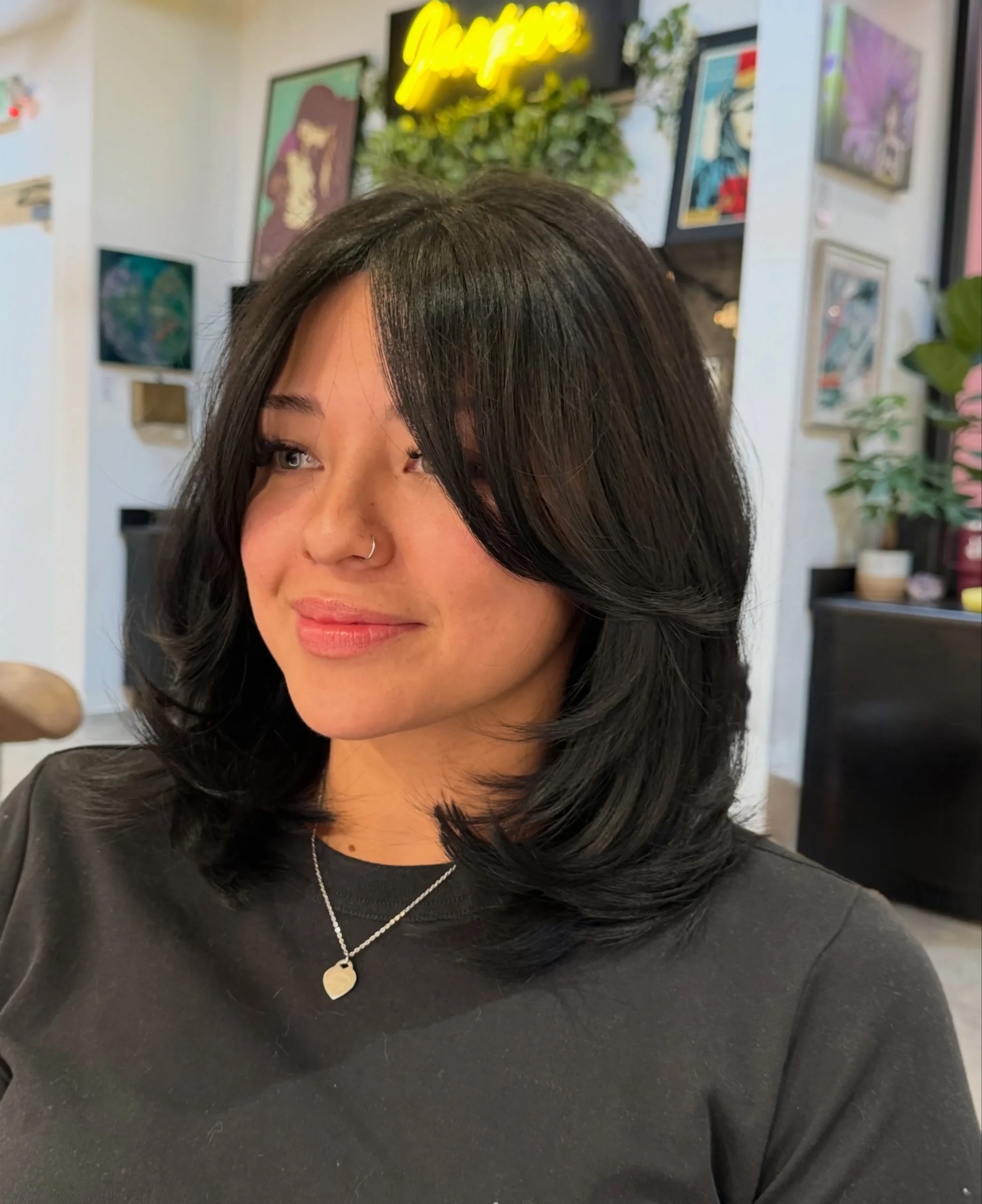
Why it works: Leaving the front pieces longer creates a soft frame around the face while the shorter back keeps the overall cut light and easy to manage, balancing both softness and volume.
Ask for: Ask for "a shaggy bob with the front pieces left a couple of inches longer than the back layers."
16. Textured Crop Shag Bob
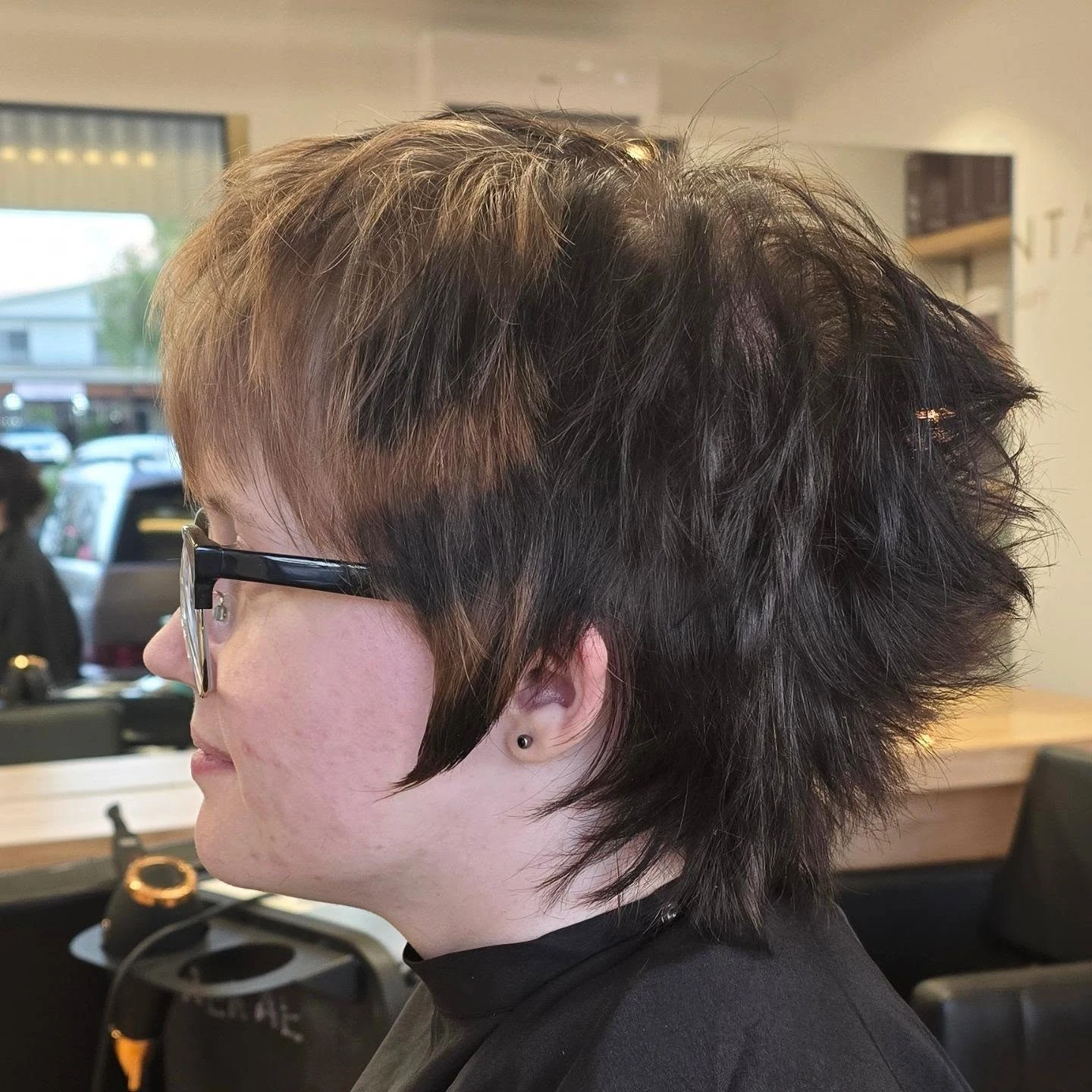
Why it works: A shorter, cropped shag removes weight entirely, so what remains reads as noticeably thicker and more textured than longer lengths would on fine hair.
Ask for: Ask for "a short, textured crop bob, cropped close with heavy shaggy texture concentrated at the crown."
17. Shaggy Bob with Center Part
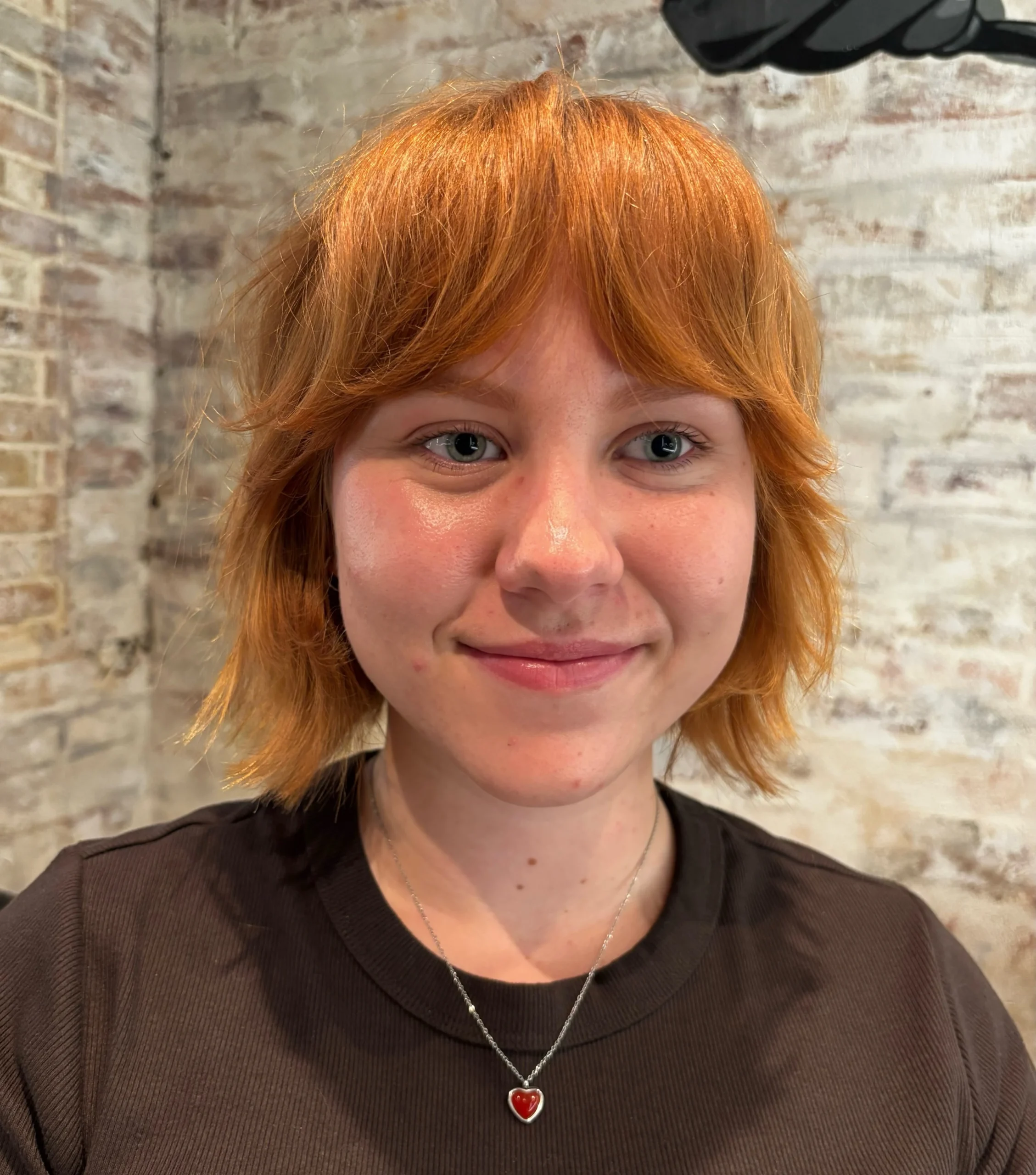
Why it works: A clean center part paired with shaggy layers creates gentle symmetry that softens the whole face while letting the layered texture do the work of adding volume.
Ask for: Ask for "a shaggy bob parted evenly at the center, with layers blended so the part doesn't look too sharp."
18. Shaggy Bob with Soft Waves
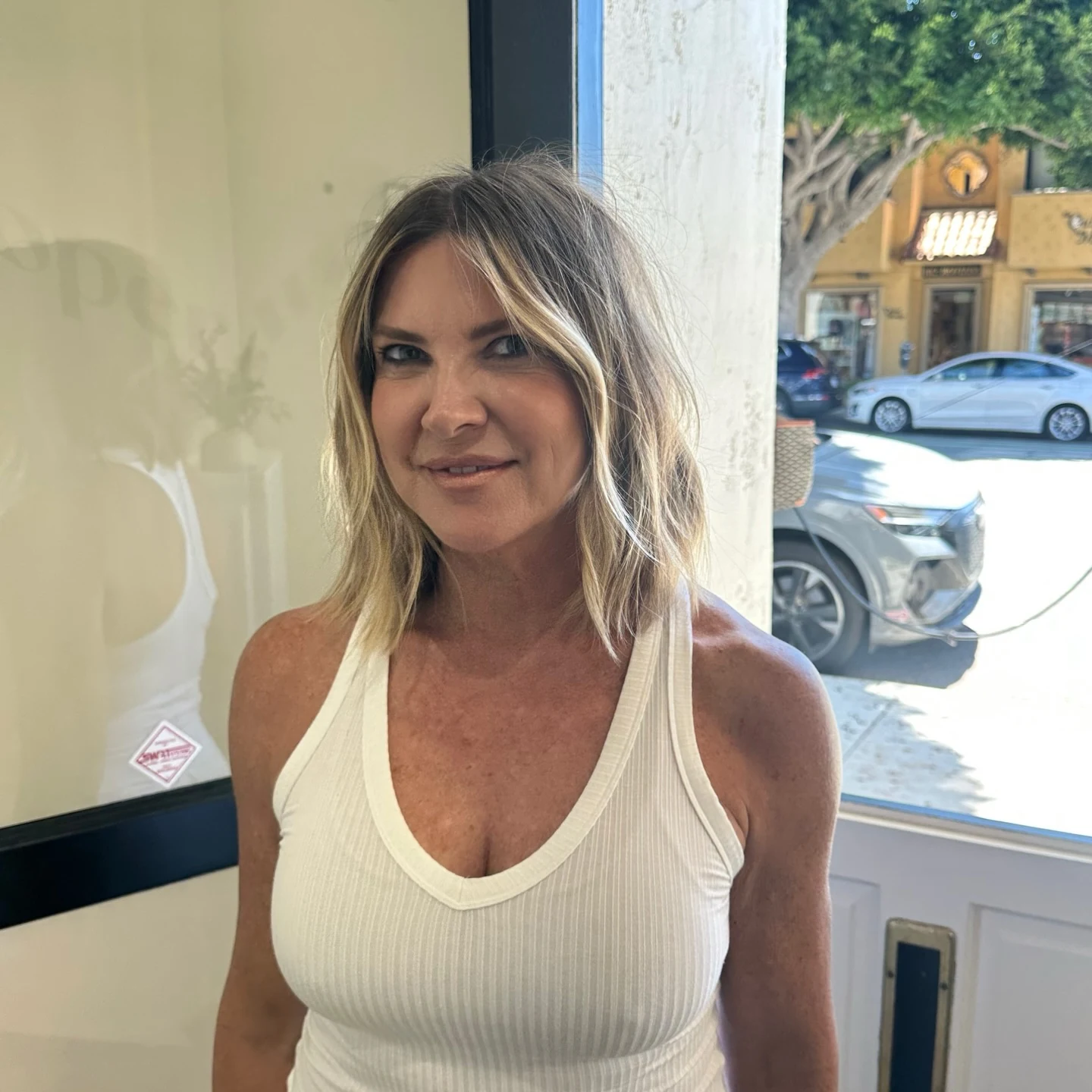
Why it works: Soft, loose waves add gentle movement without looking overly styled, giving the shaggy cut a relaxed, natural texture that works for both casual days and dressier occasions.
Ask for: Ask for "a shaggy bob curled with a medium wand in loose sections, then brushed out gently for a soft wave."
19. Shaggy Bob with Volume at the Crown
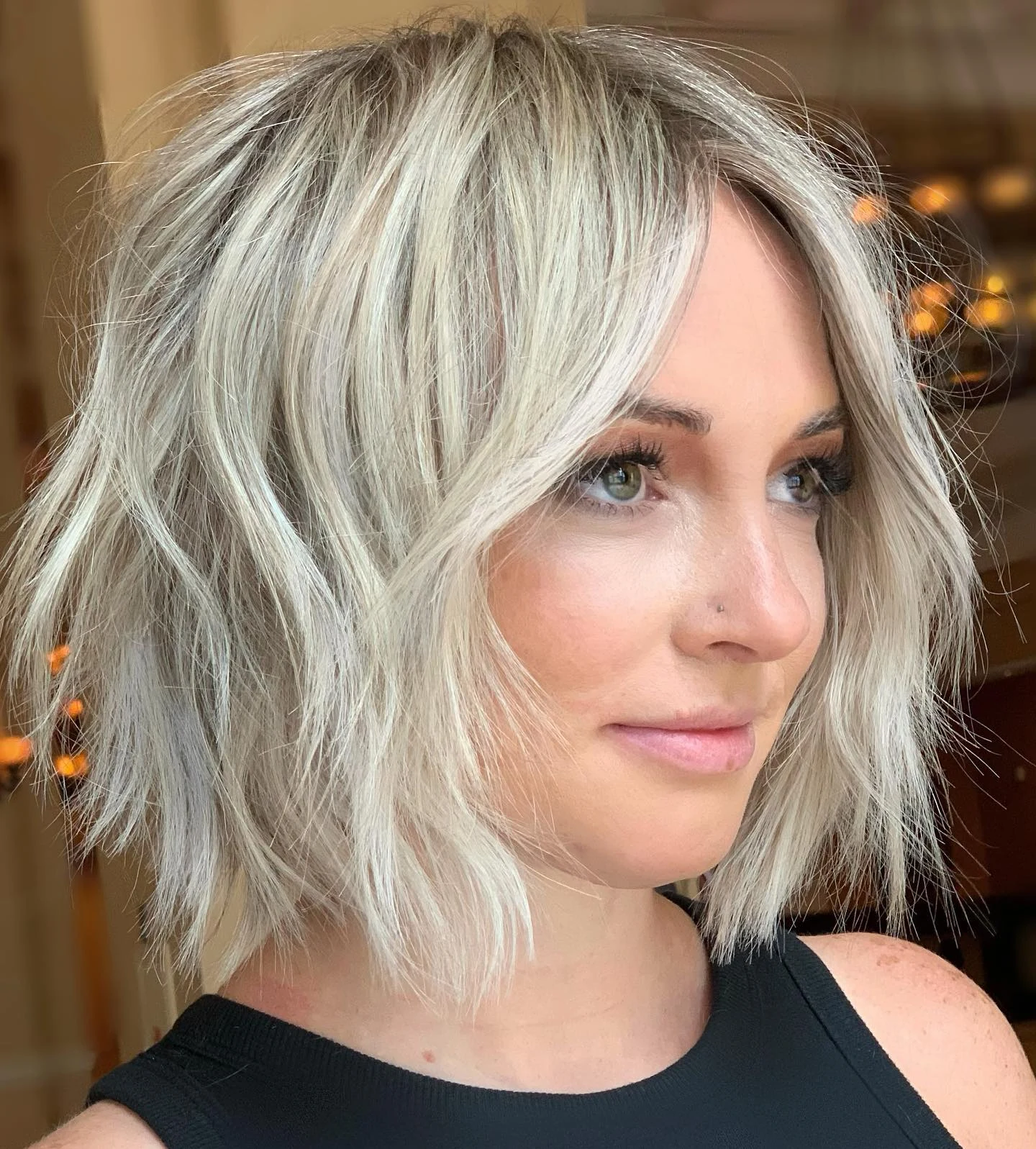
Why it works: Building height right at the crown balances out any flatness through the mid-lengths, giving the whole silhouette a fuller, more youthful shape from every angle.
Ask for: Ask for "a shaggy bob teased lightly at the crown and blow-dried with a round brush for lasting lift."
20. Sleek Shaggy Bob
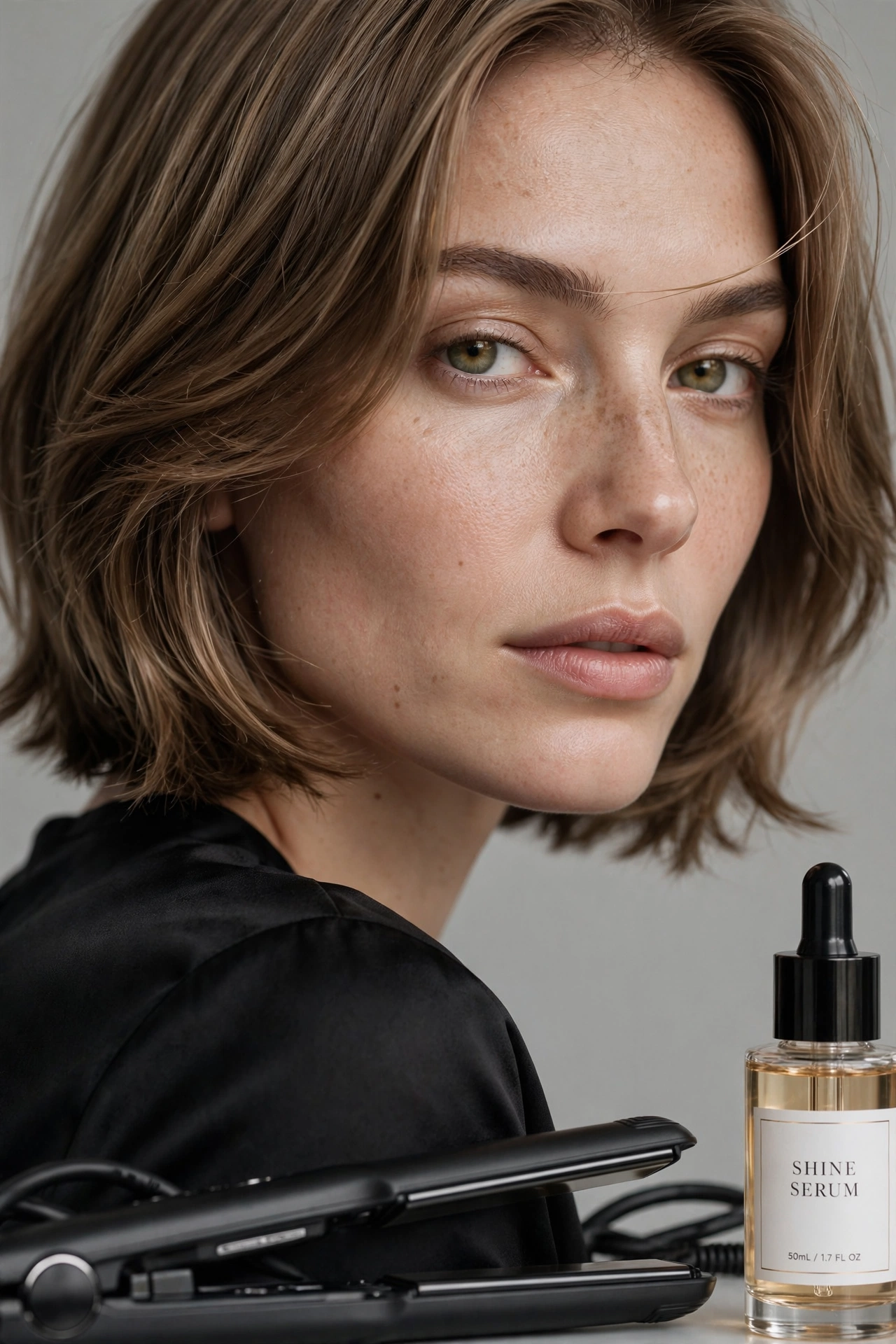
Why it works: Smoothing a shag with a flat iron instead of leaving it tousled highlights the layered shape itself, giving a more polished, put-together finish that still keeps the volume the cut provides.
Ask for: Ask for "a shaggy bob blow-dried smooth with a flat iron finish, keeping the shape of the layers intact."
21. Shaggy Bob with Piece-y Bangs
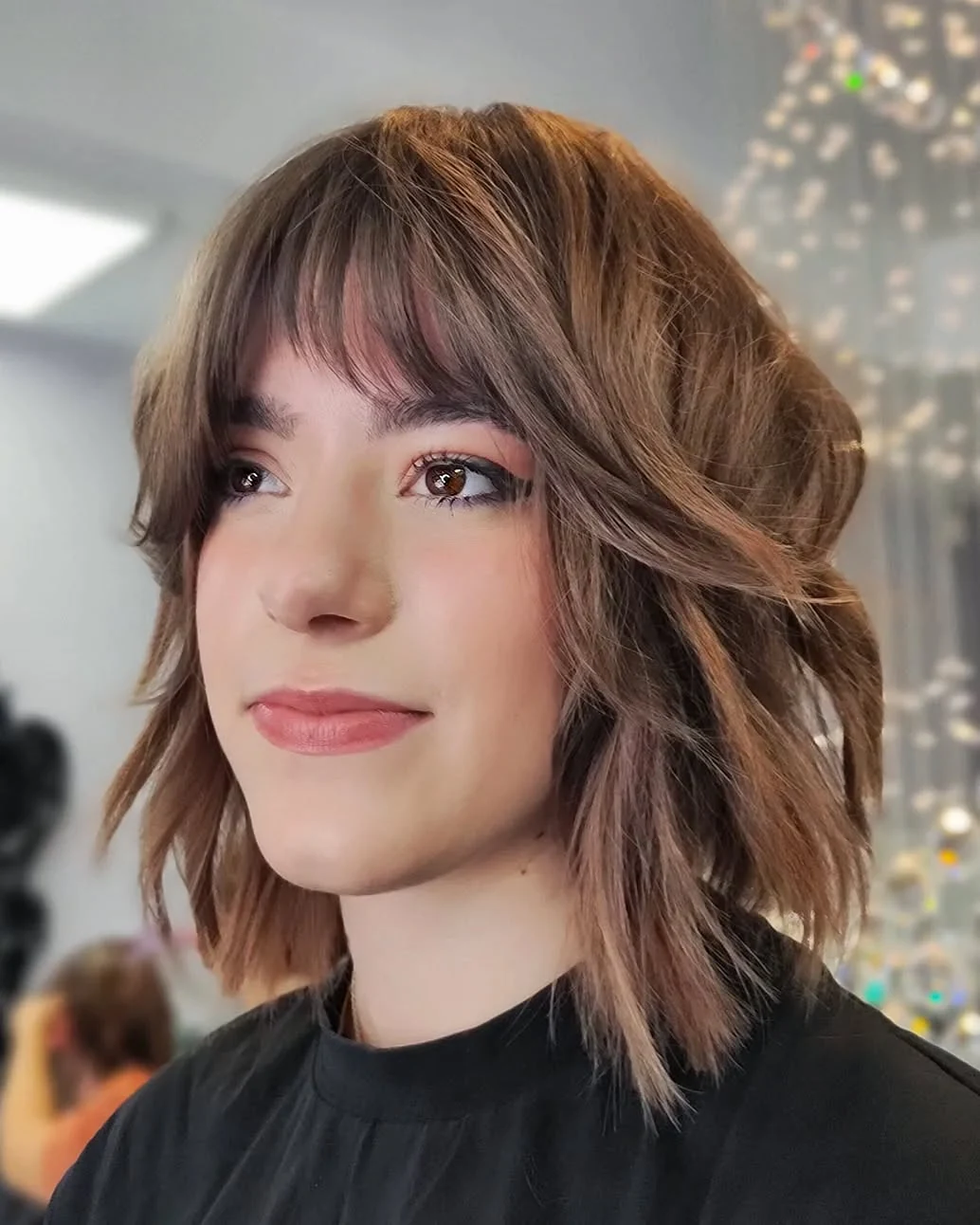
Why it works: Piece-y, separated bangs add jagged movement right at eye level, giving a fresh focal point that pairs naturally with the rest of the shag's textured layers.
Ask for: Ask for "piece-y bangs cut with a point-cutting technique for uneven, textured ends rather than a clean line."
22. Shaggy Wolf Bob
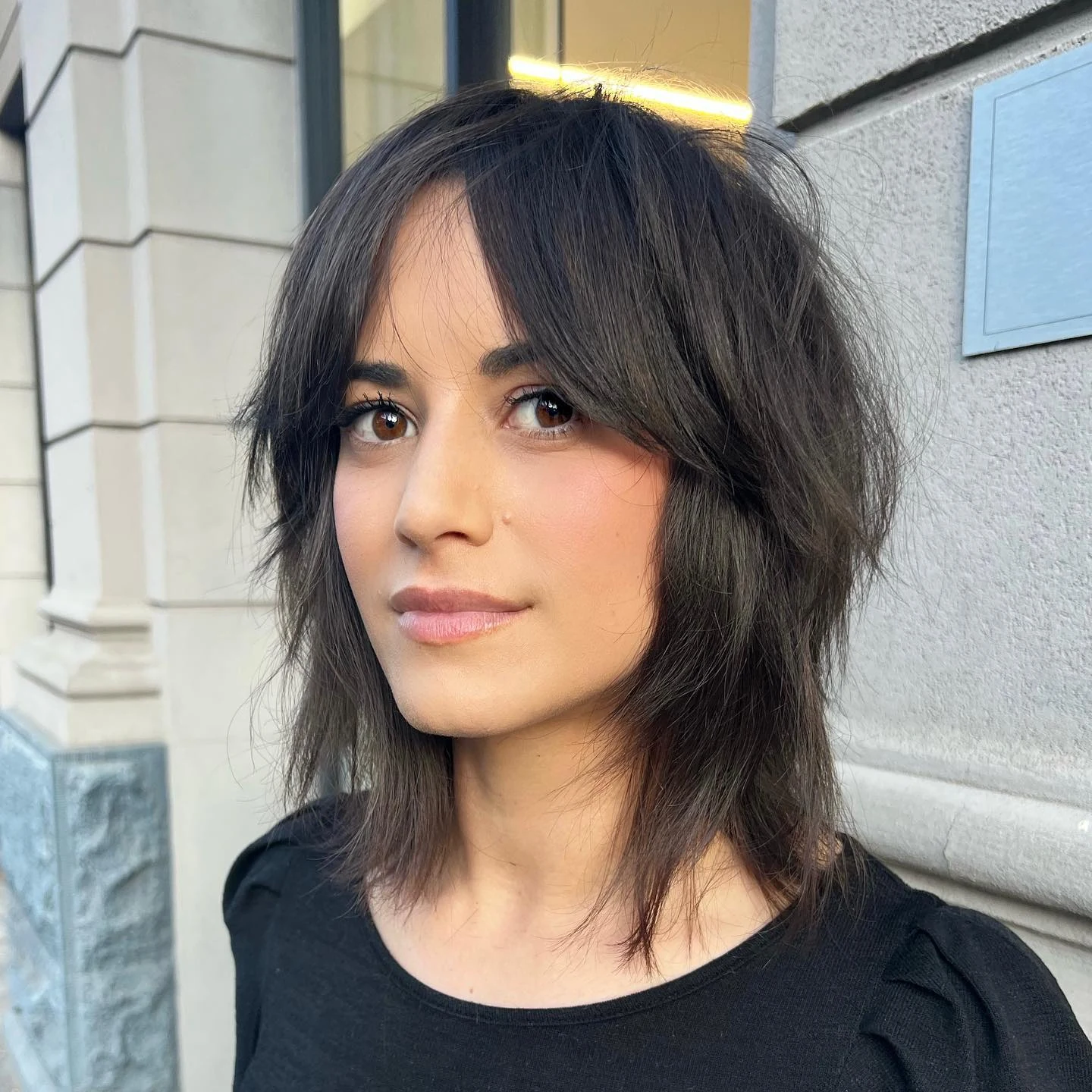
Why it works: Combining wolf-cut layering with bob length creates constant texture and movement across the whole head, which does the most work of any style here in disguising thinness.
Ask for: Ask for "a shaggy wolf bob with heavy layering throughout and a slightly longer, textured crown."
23. Shaggy Bob with Tousled Texture
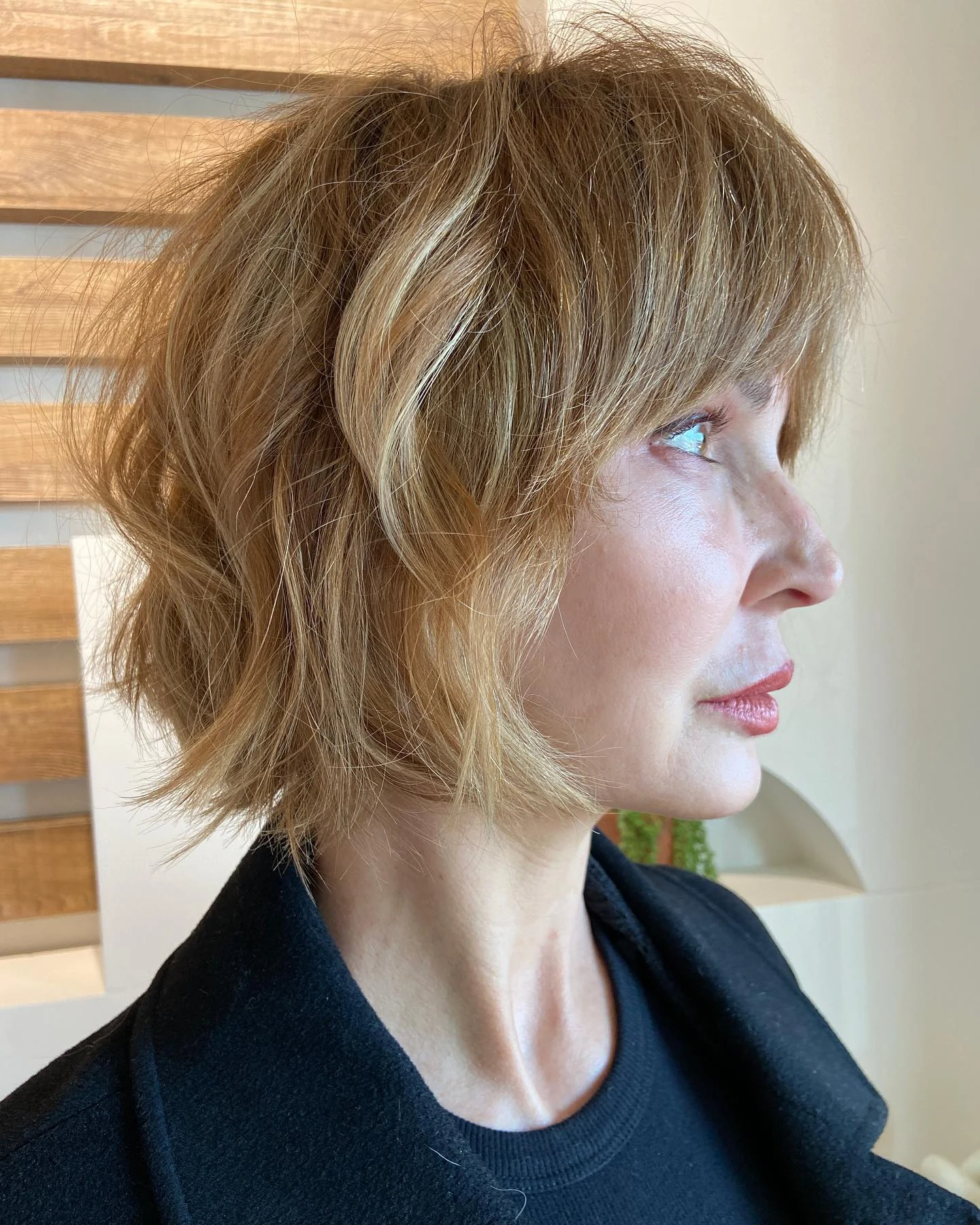
Why it works: A deliberately tousled, undone finish adds constant texture that fills out the silhouette, giving fine hair a relaxed fullness without needing a sleek, structured style.
Ask for: Ask for "a shaggy bob styled deliberately tousled, using a texturizing product rubbed through with fingers rather than a comb."
24. Shaggy Bob with Layered Nape
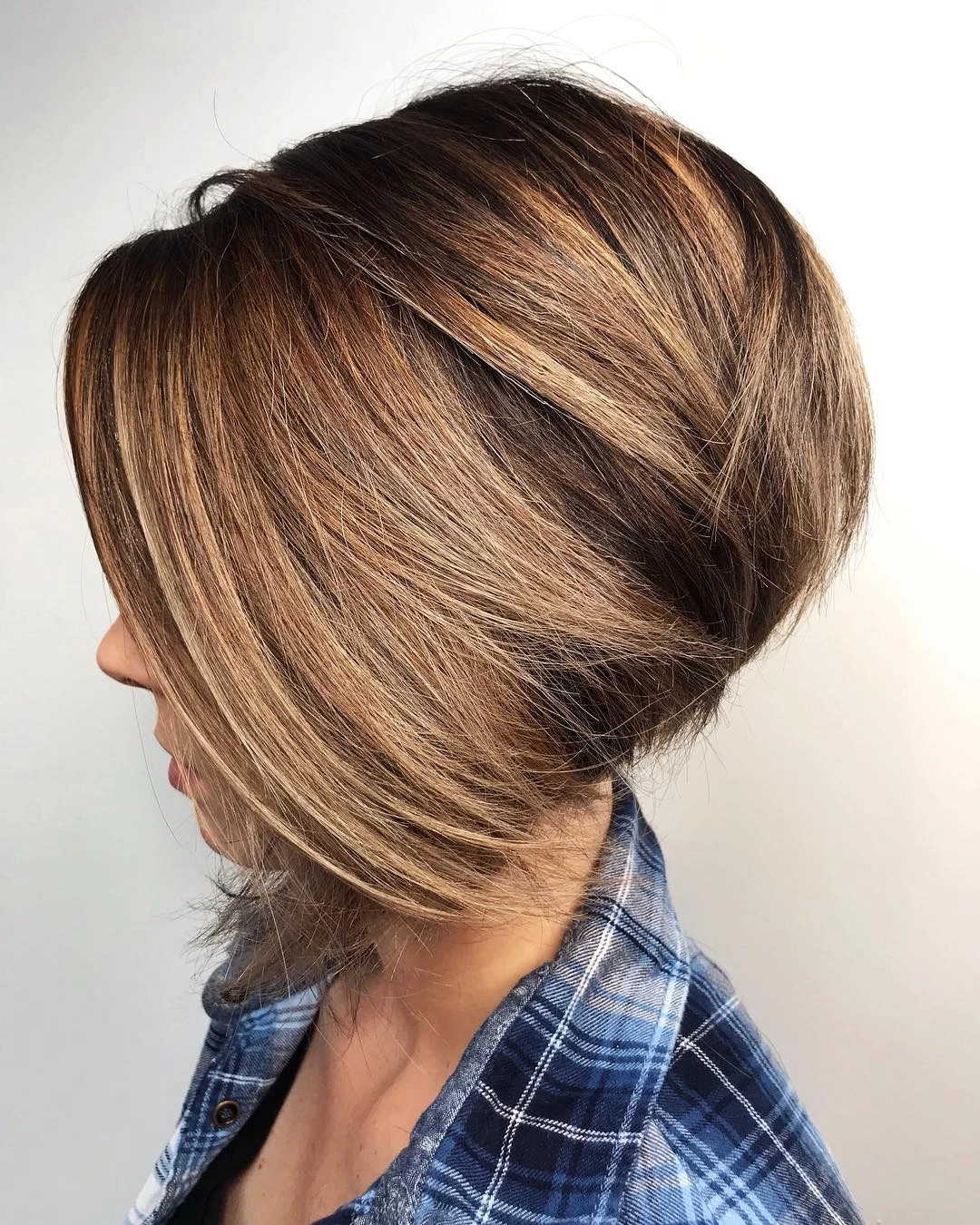
Why it works: Extra layering at the nape keeps the back of the style from looking flat and stringy, an area that's easy to overlook but often shows thinness the most.
Ask for: Ask for "a shaggy bob with extra layering built into the nape, not just at the crown and front."
25. Shaggy Bob with Soft Blunt Ends
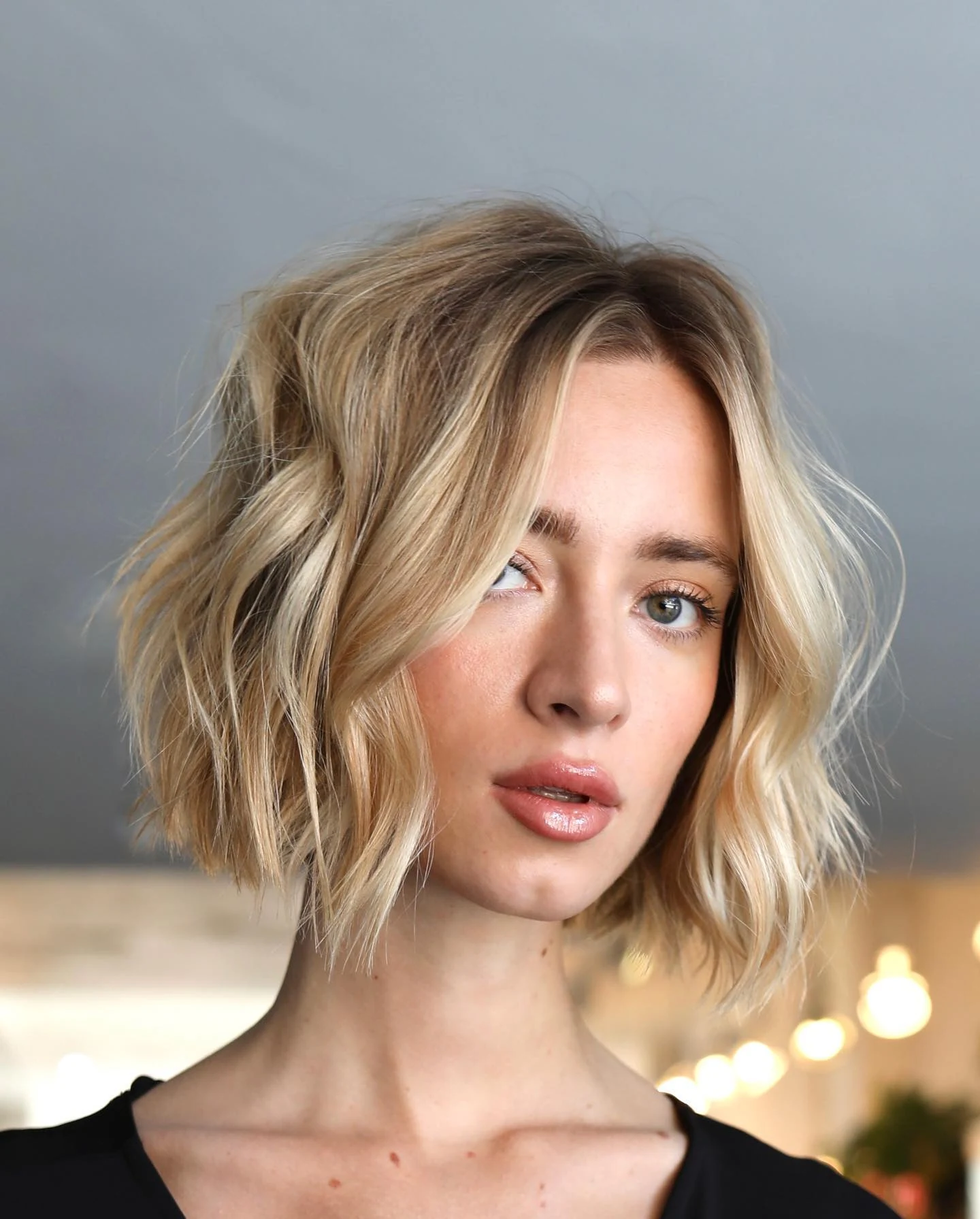
Why it works: Keeping the very ends softly blunt while shagging the mid-lengths preserves density right where it's needed most, avoiding the wispy, thinning look that heavy texturizing all the way through can cause.
Ask for: Ask for "a shaggy bob with the mid-lengths texturized but the very ends kept softly blunt."
26. Shaggy Bob with Textured Root Lift
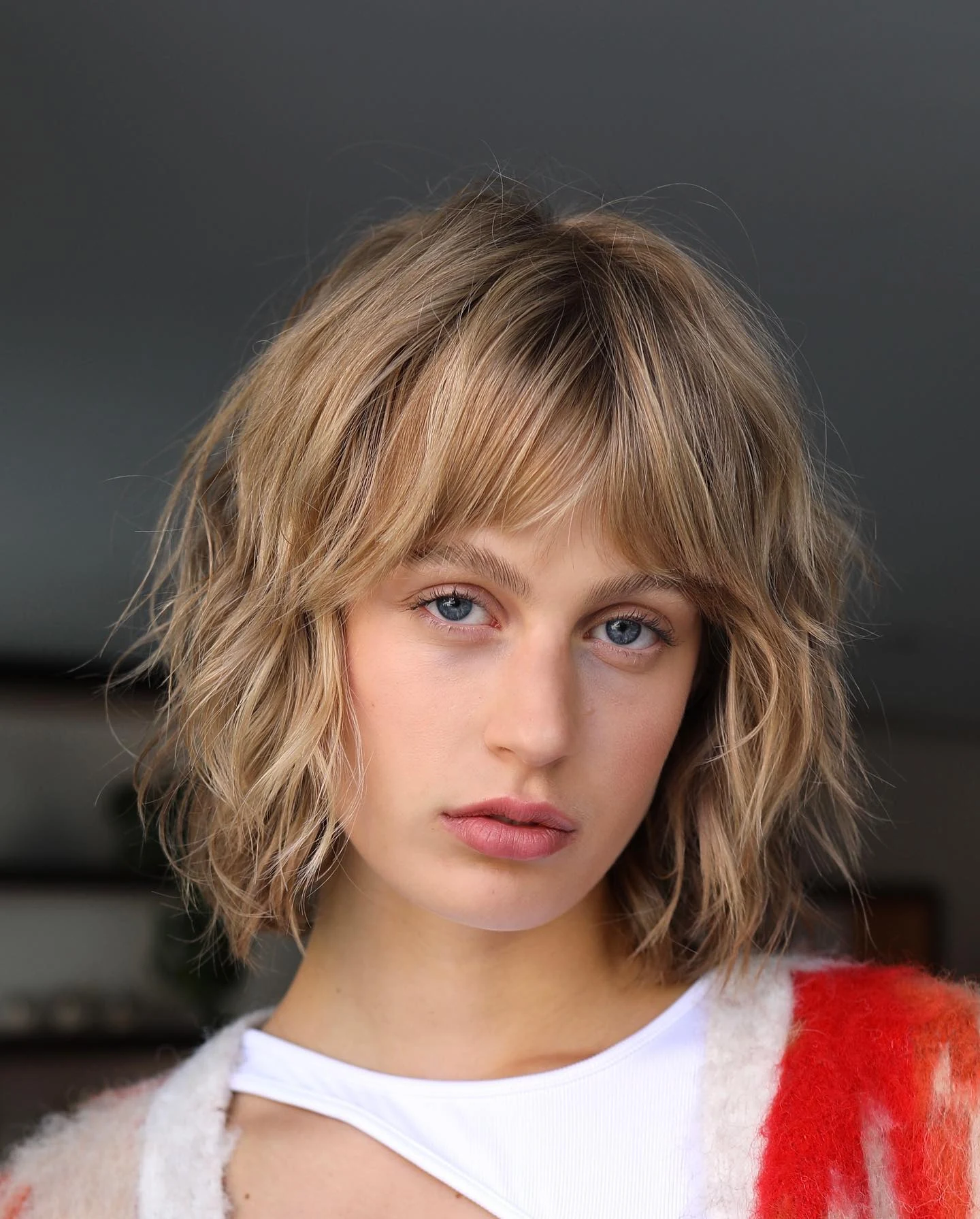
Why it works: Lifting the roots before the layers fall into their shaggy shape adds height at the top of the head, which balances out the natural weight of the hair lower down.
Ask for: Ask for "a shaggy bob blow-dried with root lift using a round brush before letting the layers fall naturally."
27. Shaggy Bob with Longer Front Layers
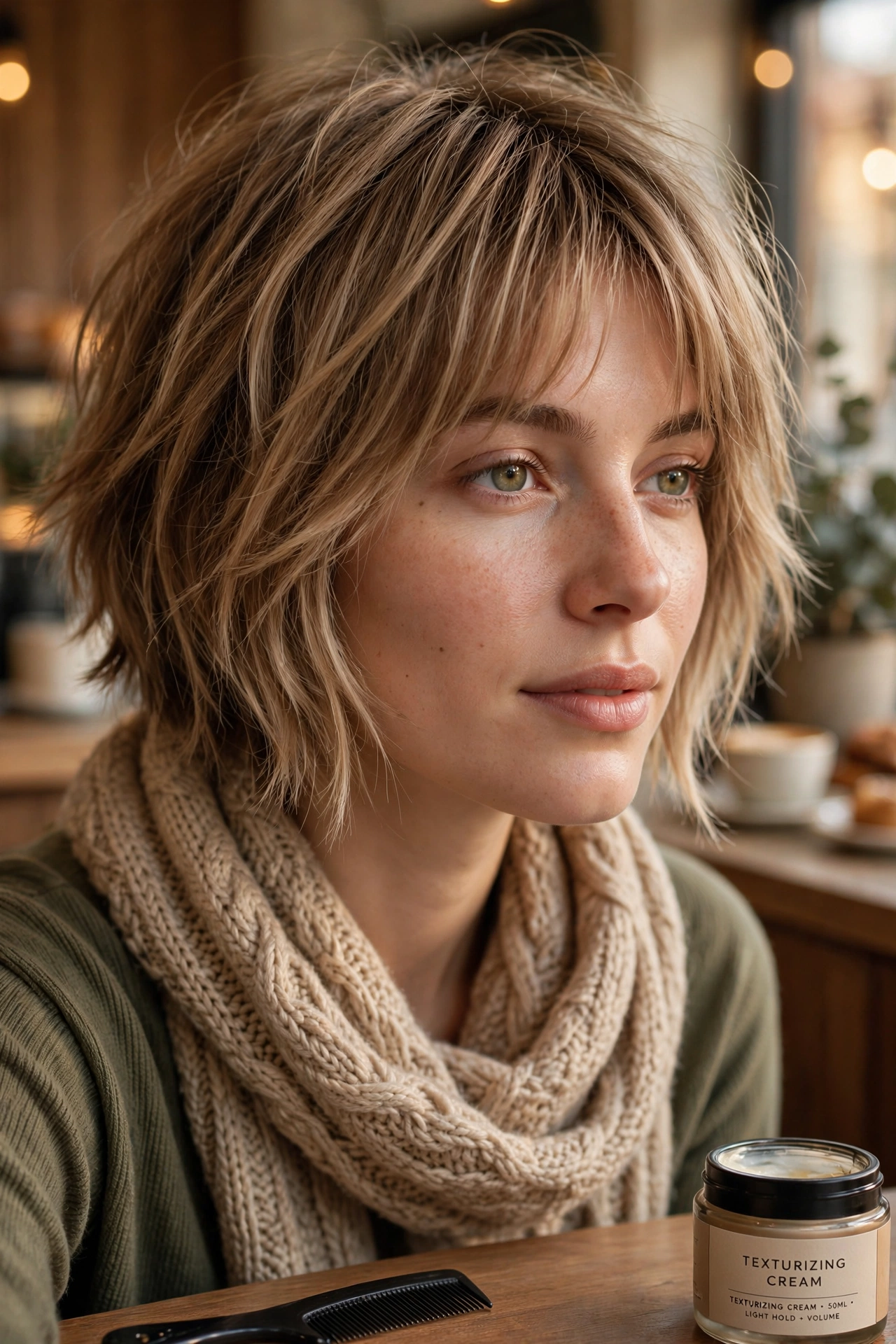
Why it works: A gradual length difference from front to back adds visual movement across the whole style, keeping fine hair from settling into one flat plane the way a single, even length would.
Ask for: Ask for "a shaggy bob with the front layers left longer, gradually shorter moving toward the back."
FAQs
What's the best shaggy bob hairstyle for thin, fine hair?
The choppy shag bob with root volume, the shaggy wolf bob, and the textured crop shag bob tend to work especially well. All three focus on adding lift and texture throughout, which helps fine hair look noticeably fuller without extra daily effort.
How to make a shaggy bob look fuller and more voluminous for everyday wear?
Start with lift at the root, whether through a deep side part, a light teasing at the crown, or a volumizing product applied to damp hair before drying. Keep the very ends slightly blunt rather than texturizing all the way through, since too much thinning at the ends can make fine hair look wispy. Finish with a lightweight product instead of anything heavy, so the layers stay soft and full rather than weighed down.
Are bangs a good addition to a shaggy bob for thin, fine hair?
Bangs can work well, especially softer styles like curtain bangs or a wispy micro fringe, since they add movement and draw attention to the eyes. Heavier, blunt bangs can sometimes feel like more daily maintenance and add visual weight, so a lighter, textured fringe tends to be the more comfortable choice for fine hair.
Wrap-Up
A shaggy bob is one of the easiest ways to bring genuine volume and movement to thin, fine hair without an intense styling routine. Whether you lean toward more lift at the root, soft waves through the layers, or a bold, cropped shape, the best choice comes down to how much daily styling you want to do and which version feels most like you.