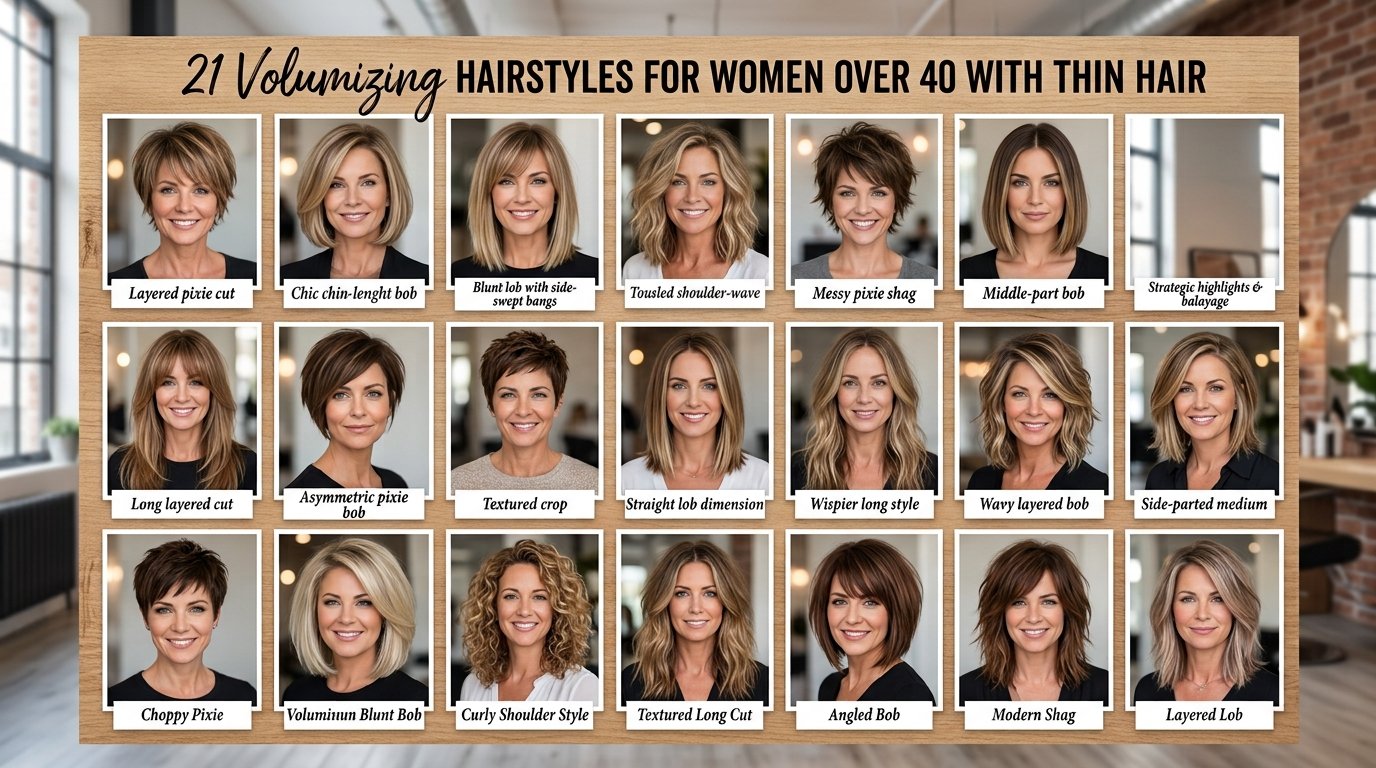
Somewhere in your 40s, hair often starts thinning gradually, and the styles that used to give you plenty of volume in your 20s and 30s might not deliver the same fullness anymore. It’s frustrating when your go-to cut suddenly looks a little flatter than it used to, especially when you still want something that feels modern, not dated.
The good news is you don’t need a drastic overhaul to get your fullness back. A smart cut, the right part, and a few easy styling tricks can make thin hair look noticeably thicker without aging your overall look. This roundup covers 21 hairstyle ideas made specifically for women over 40 with thin hair.
1. Long Layered Cut for Volume
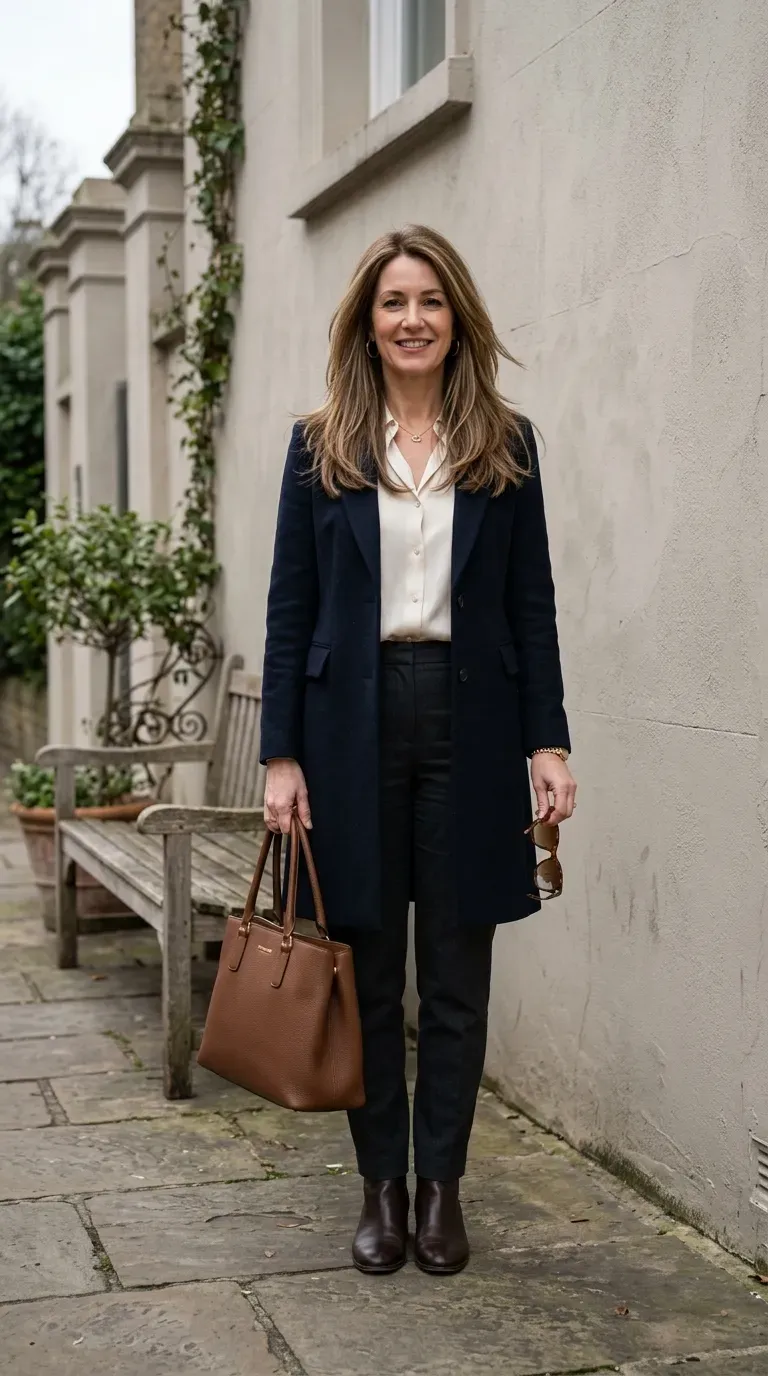
Why it works: Layers cut throughout long hair remove excess weight that can drag thin strands flat, letting the ends move and bounce instead of hanging straight down. It keeps length while still delivering the lift that thinner hair needs.
Ask for: Long layers starting at the cheekbone, with the shortest layers concentrated near the crown for lift.
2. Textured Lob (Long Bob)
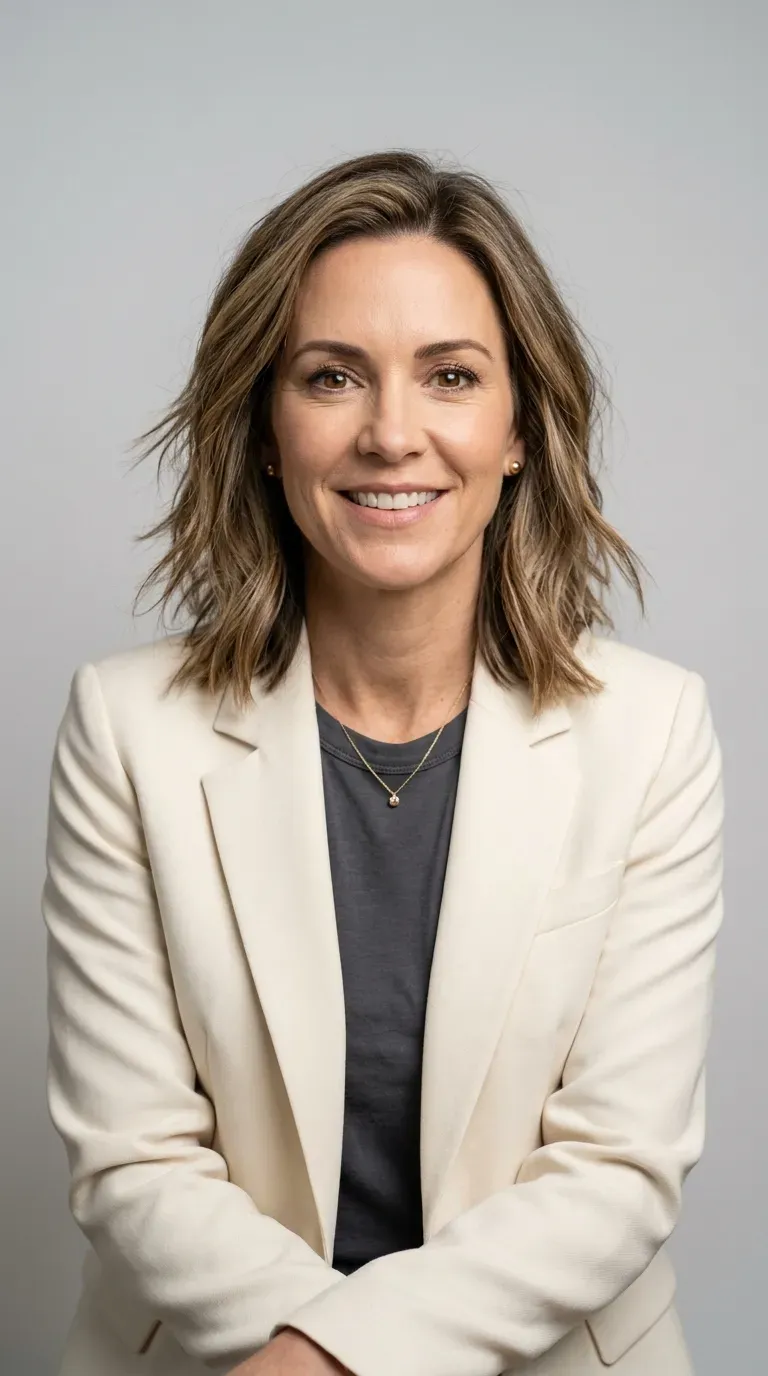
Why it works: A lob keeps all the ends landing at roughly the same weighted line, which reads as thicker than hair that tapers off thin at longer lengths. Light texturizing at the ends adds movement without removing the density this length is built to preserve.
Ask for: A shoulder-length lob with the ends lightly texturized, not heavily layered throughout.
3. Voluminous Blowout Waves
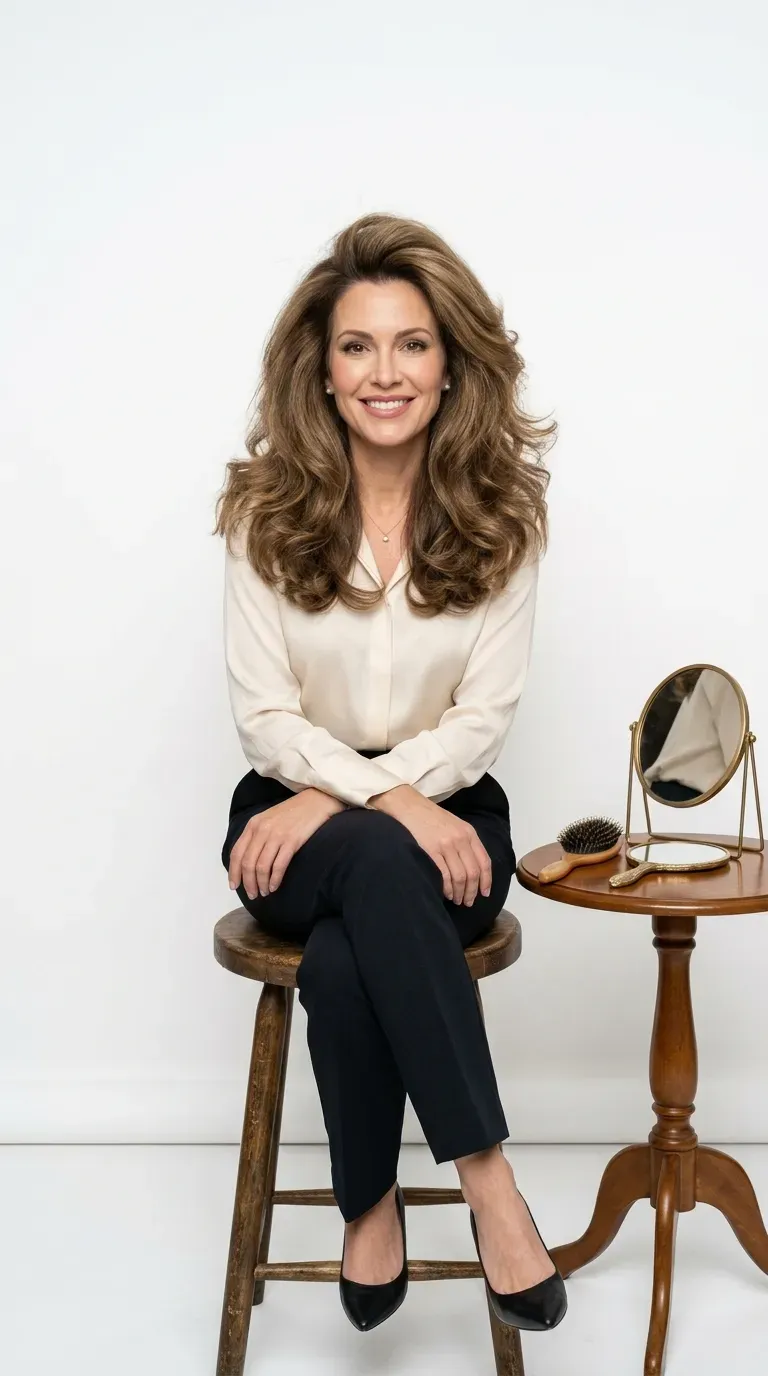
Why it works: A round-brush blowout lifts hair from the root and adds a gentle bend through the mid-lengths, which gives thin hair a fuller, more finished look than air-drying alone. That added bend also helps hair catch light, making each section read as thicker.
Ask for: A round-brush blowout with the brush lifted straight up at the roots before pulling through to the ends.
4. Modern Shoulder-Length Shag
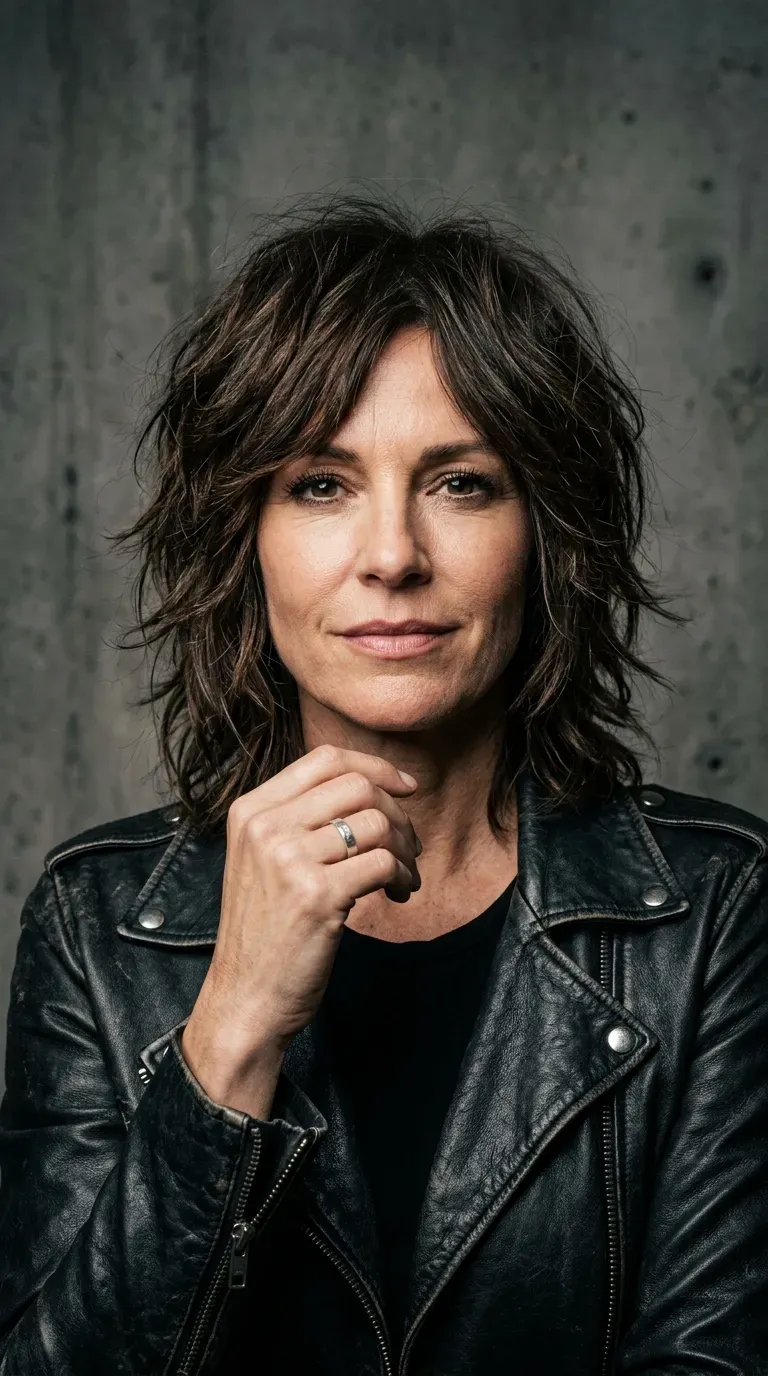
Why it works: The shag’s piecey, layered structure creates dimension and movement that keeps thin hair from looking flat or one-dimensional. It’s a modern shape that reads as intentionally textured rather than simply thin.
Ask for: A shoulder-length shag with layers starting near the cheekbone and razor-textured ends throughout.
5. Side-Parted Sleek Blowout
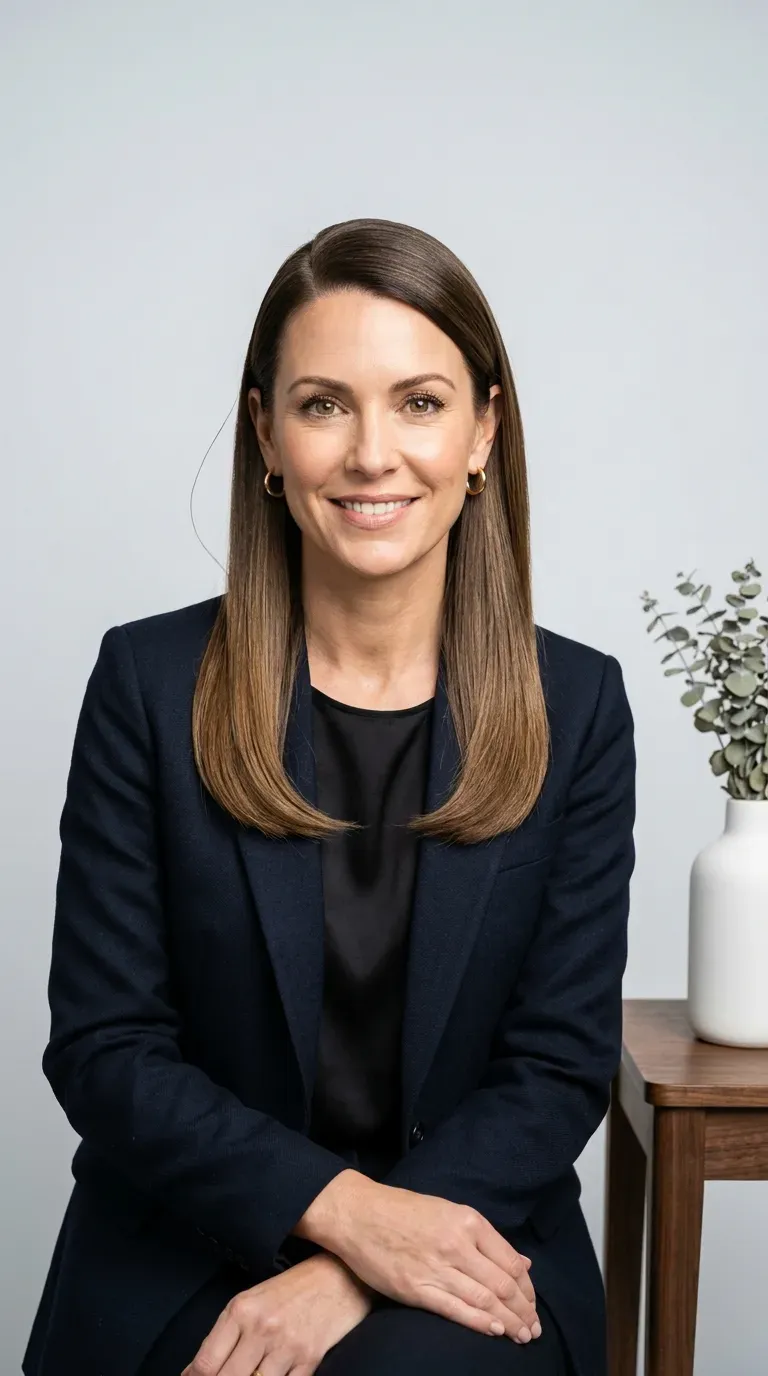
Why it works: A deep side part instantly creates height on one side of the head, which helps disguise thinning right at the part line. It’s a quick, everyday style that still looks polished enough for the office.
Ask for: A deep side part with the roots blow-dried upward before smoothing the rest of the hair straight.
6. Wispy Curtain Bangs
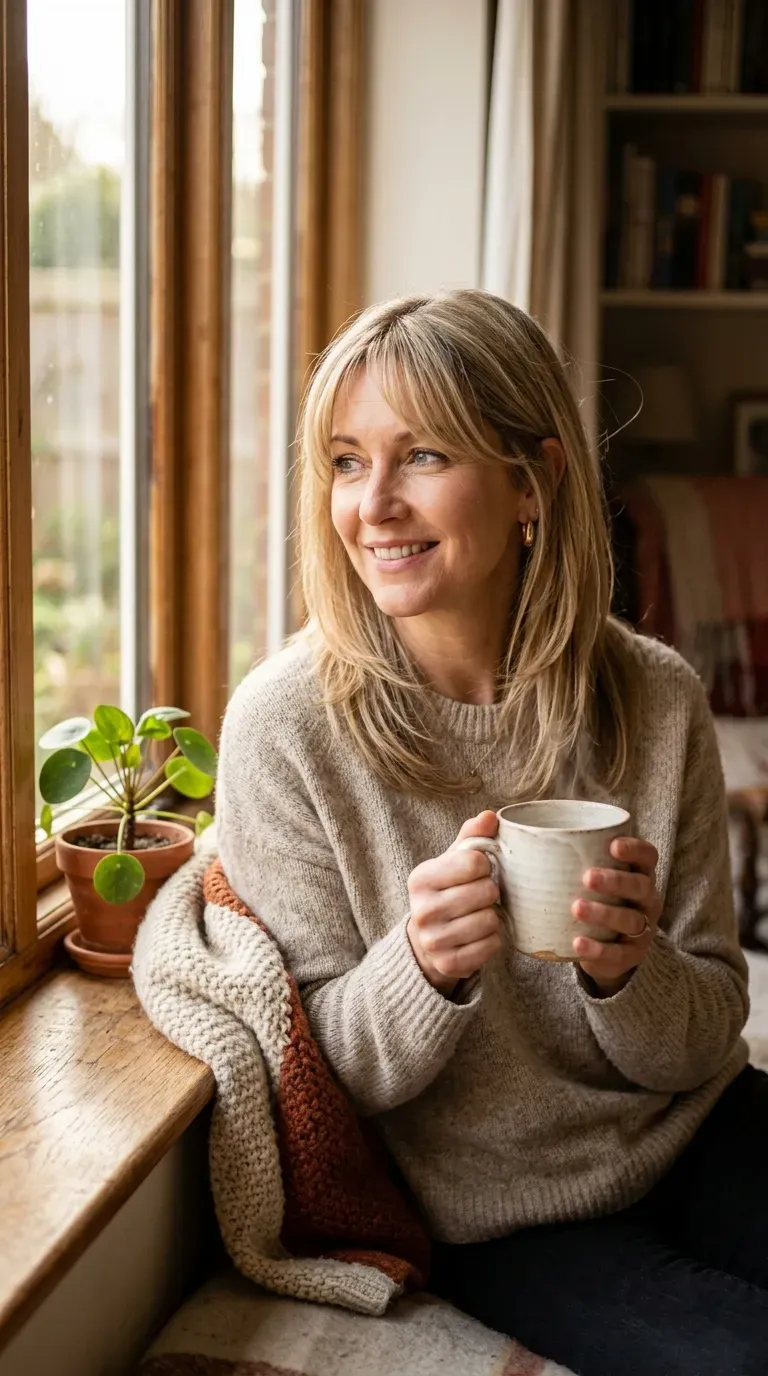
Why it works: Curtain bangs frame the face and draw attention to the eyes, which softens the whole look and pulls focus away from thinning at the crown. Because they part naturally down the middle, they also blend easily into the rest of the hair without a hard line.
Ask for: Wispy curtain bangs parted in the center, cut with a razor so they fall softly rather than sitting flat.
7. Soft Side-Swept Bangs
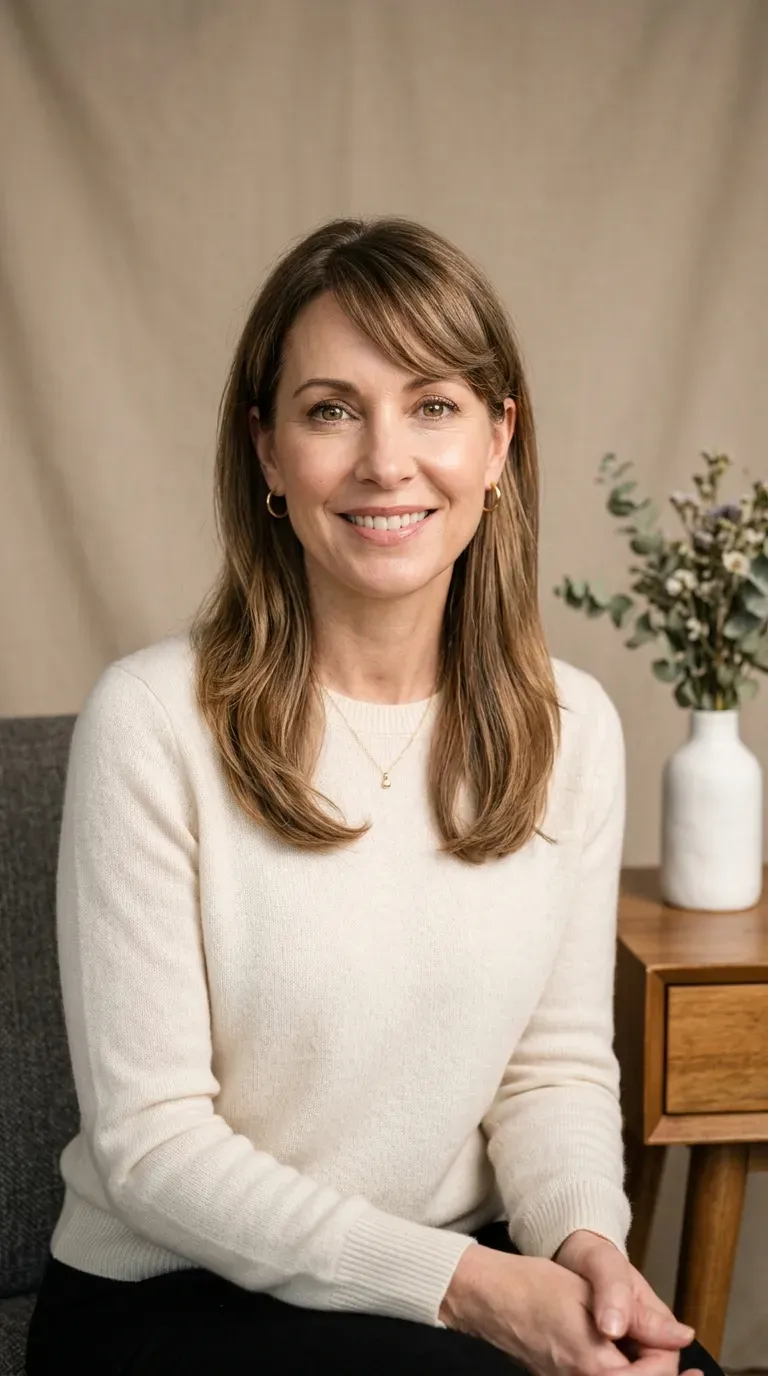
Why it works: Sweeping bangs to one side adds soft asymmetry near the forehead, which draws the eye diagonally instead of straight down over thinning areas. It’s also one of the most low-maintenance bang styles, since it grows out gracefully.
Ask for: Side-swept bangs cut on a diagonal, blended into the rest of the hair at the cheekbone.
8. Voluminous Pixie Crop
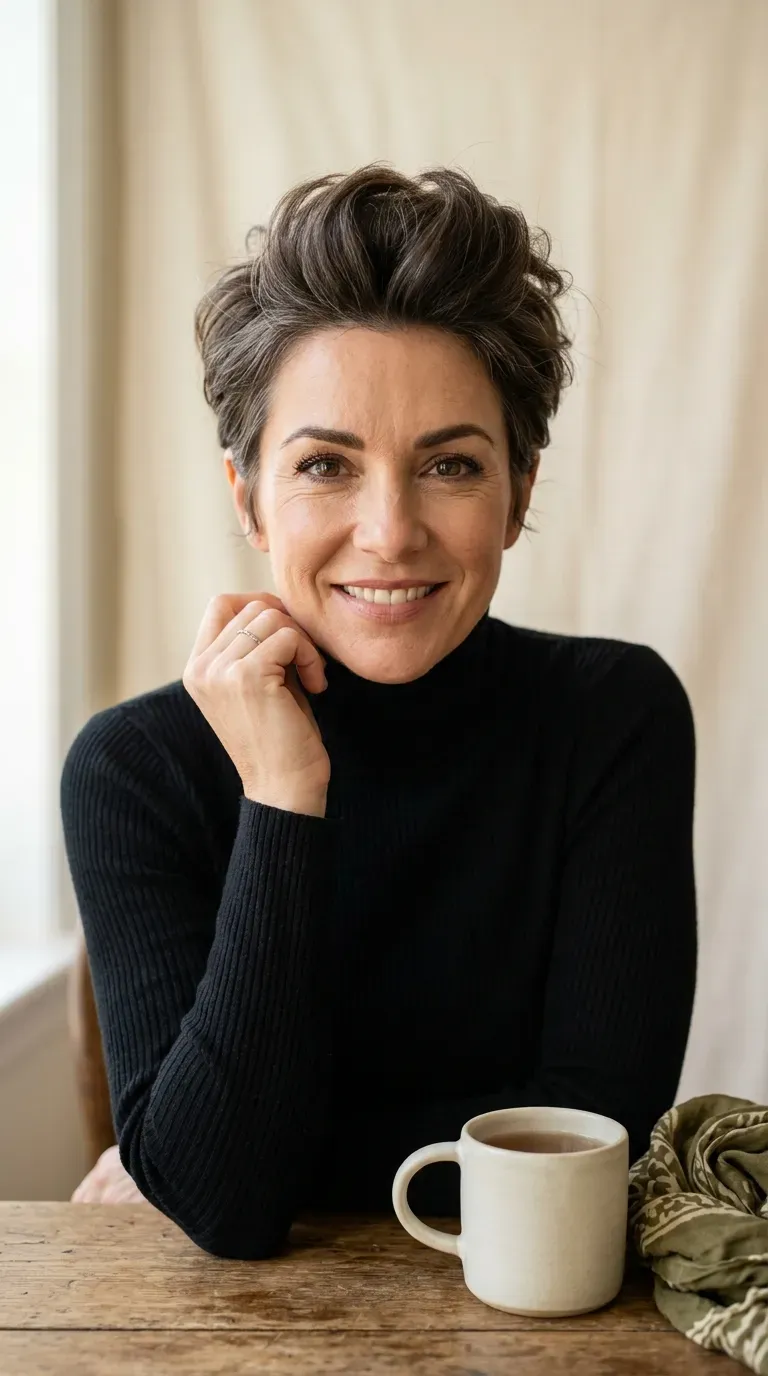
Why it works: A short pixie removes the weight that pulls thin hair flat, letting it stand up and look thicker instead of falling against the scalp. The cropped length also means less hair overall, so what’s there reads as denser.
Ask for: A voluminous pixie with point-cut layers at the crown and slightly longer pieces at the temples for a soft frame.
9. Textured Bob with Root Lift
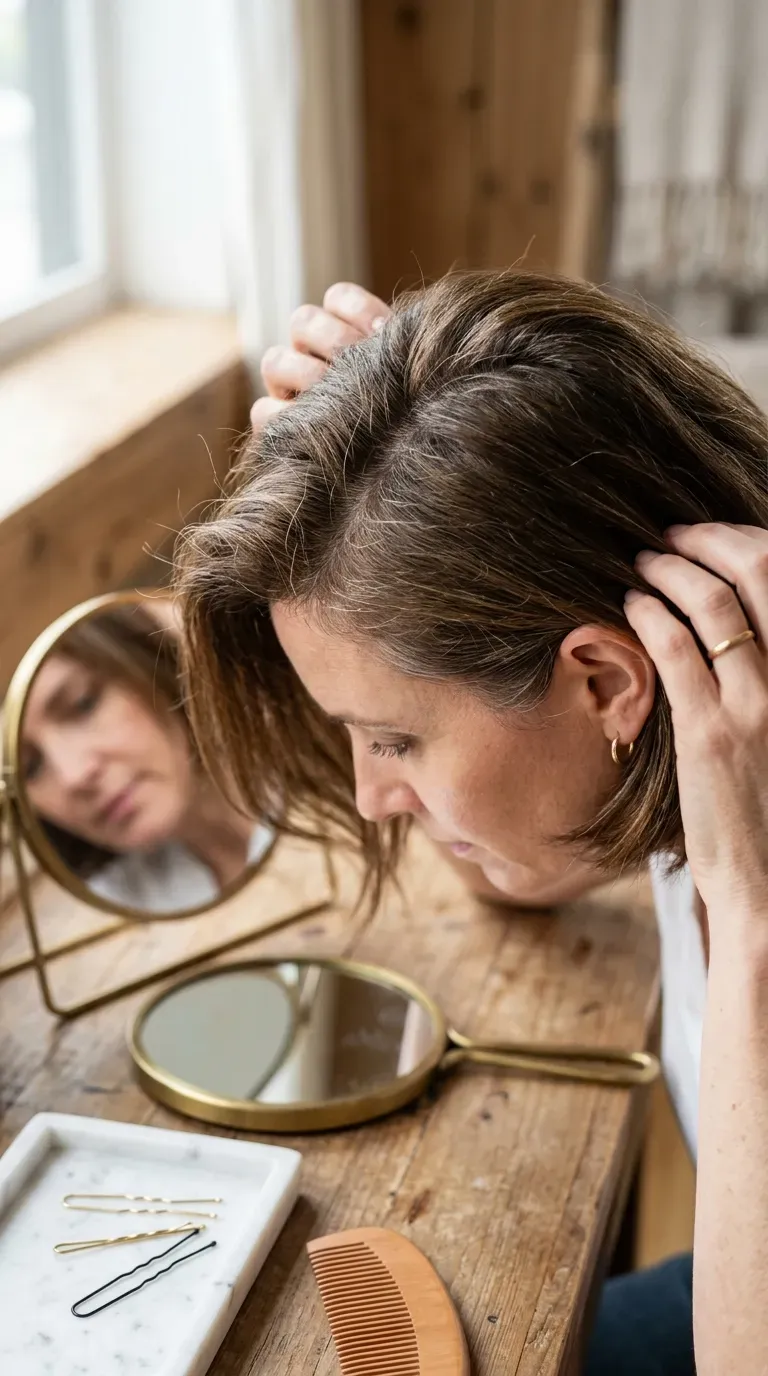
Why it works: This style focuses styling attention right at the roots, where thinning is usually most visible, using layers cut specifically to support lift. Texturizing at the ends adds extra dimension so the whole cut looks fuller from every angle.
Ask for: A textured bob with shorter layers concentrated at the crown to support root-lifting spray or mousse.
10. Layered Bob with Face-Framing Pieces
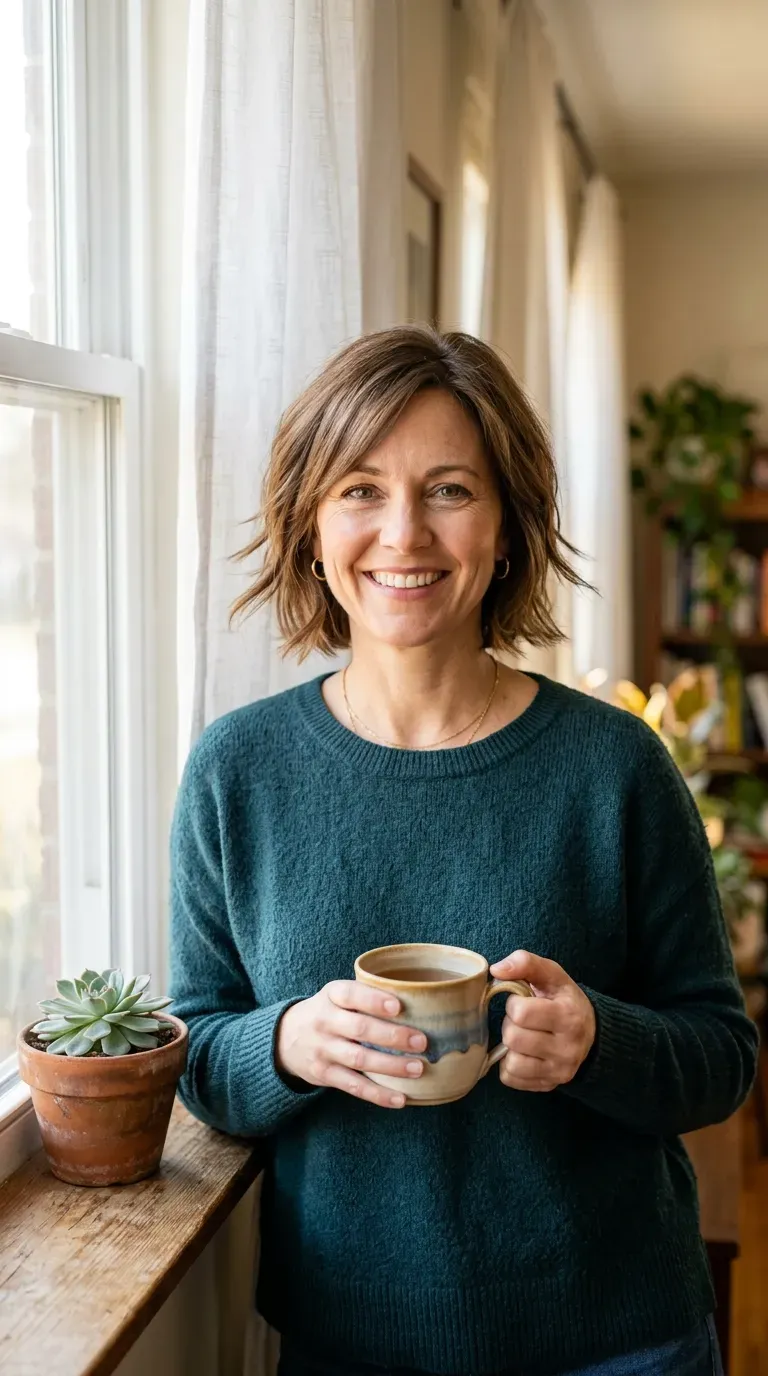
Why it works: Layers cut specifically around the face brighten the complexion and add softness right where thinning tends to show first near the temples. Keeping the back of the cut mostly blunt preserves density where it matters most.
Ask for: A layered bob with face-framing layers starting at the chin, leaving the back mostly blunt.
11. Effortless Beachy Waves

Why it works: Loose, textured waves add body that straight, thin hair often lacks, and the bend catches light so each section looks thicker than it is. It’s a relaxed style that hides thinning far better than a completely sleek, straight finish.
Ask for: Loose beachy waves created with a large-barrel curling iron, then brushed out gently for a softer finish.
12. Blunt Lob with Subtle Layers
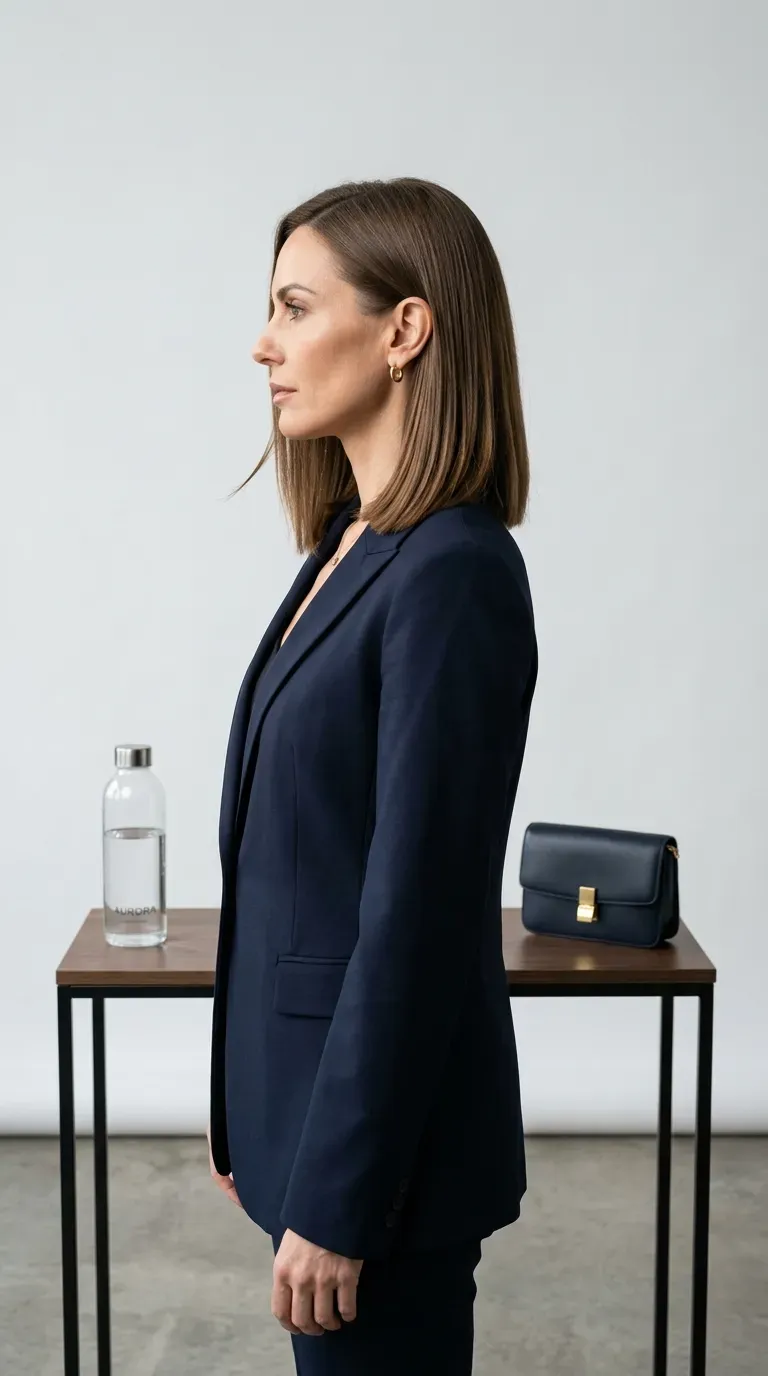
Why it works: Keeping the perimeter blunt while adding only subtle layering inside preserves as much density as possible at the ends, which is where thin hair tends to look sparsest. It’s a clean, versatile cut that still photographs full from every angle.
Ask for: A blunt lob with layering kept only on the interior, leaving the outer perimeter untouched.
13. Soft Shag with Curtain Bangs
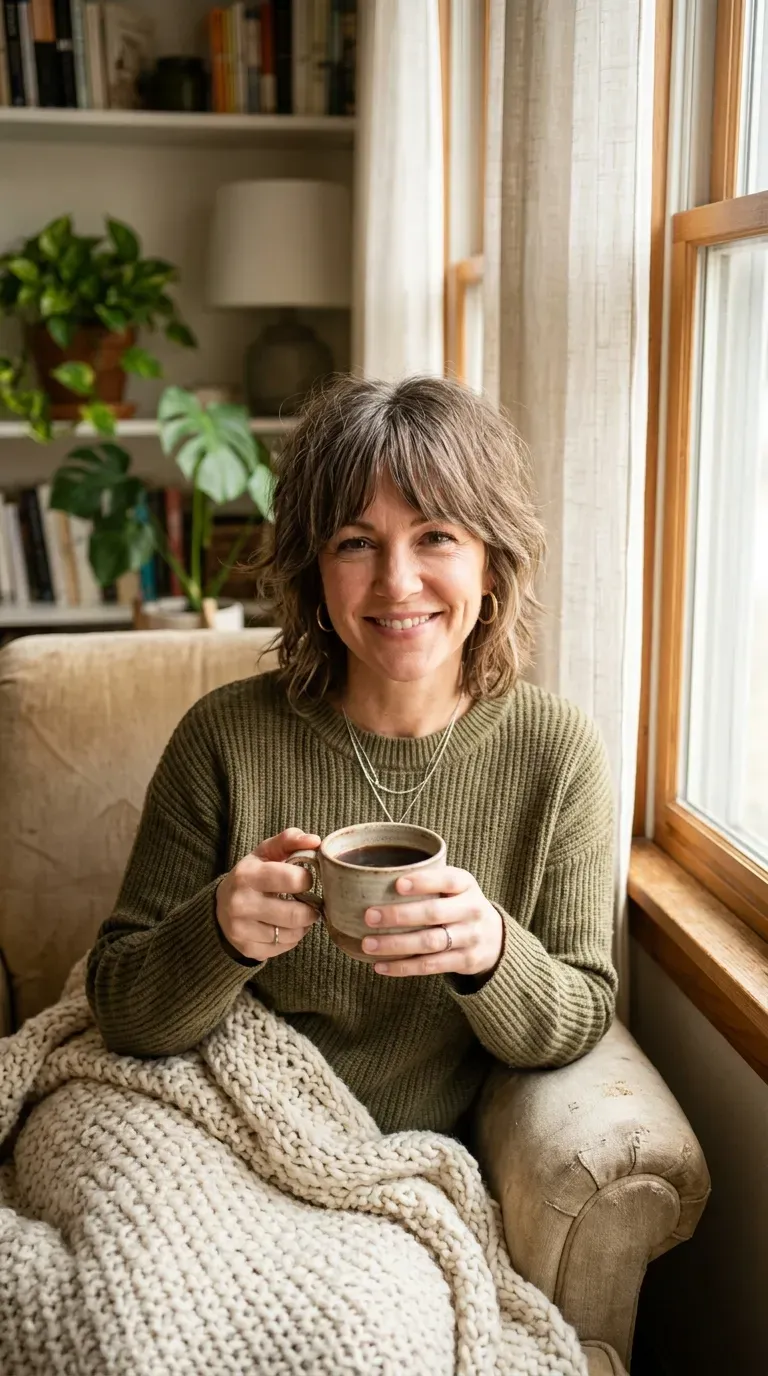
Why it works: Combining a shag’s built-in texture with soft curtain bangs adds movement and framing at both the crown and the face, doubling up on the areas where thin hair usually needs the most help. It reads as effortlessly styled rather than sparse.
Ask for: A soft shag cut with curtain bangs blended into the top layers rather than as a separate section.
14. High Volumized Ponytail
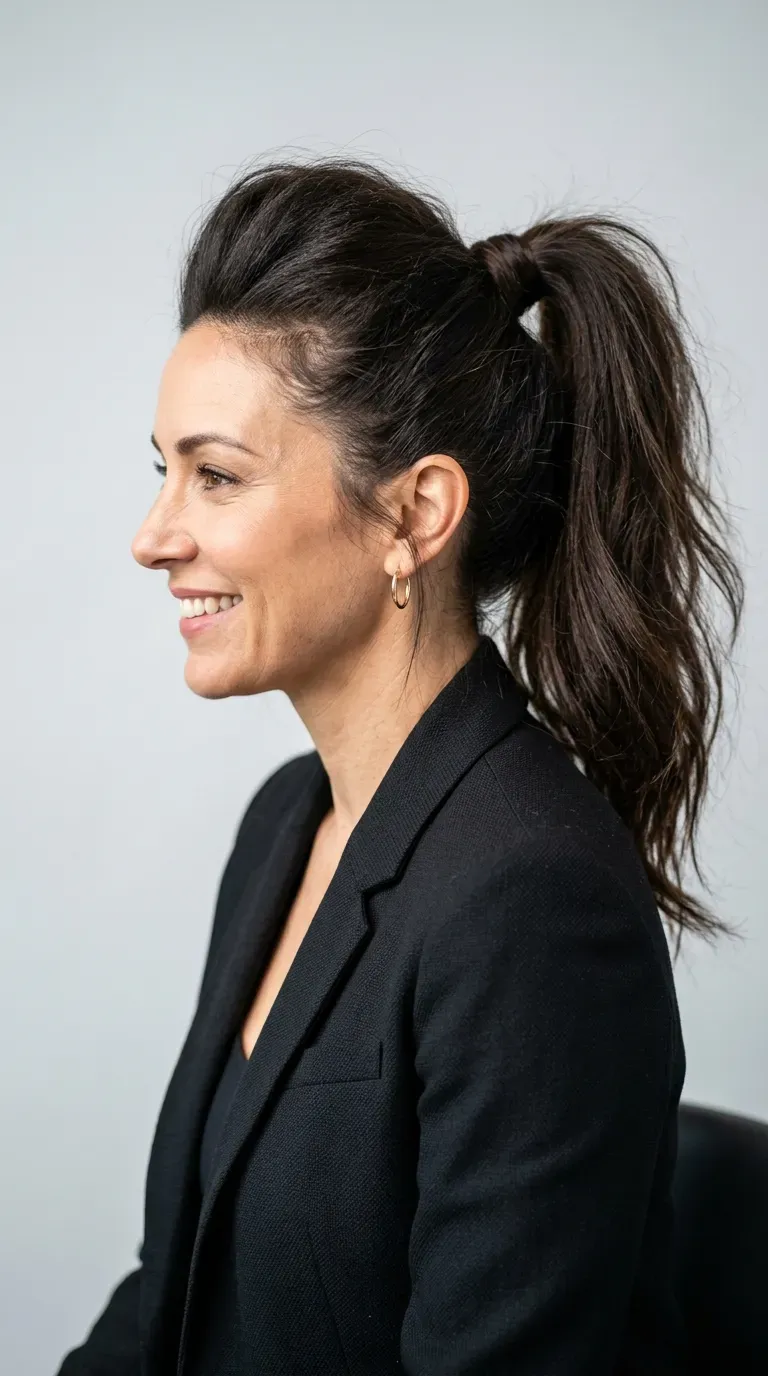
Why it works: Teasing the crown section before pulling hair back gives a ponytail a fuller base instead of looking thin and stringy once secured. It’s a quick, practical style for busy days that still looks put-together.
Ask for: A high ponytail with the crown section back-combed before smoothing the rest of the hair back and securing.
15. Half-Up Style with Teased Crown
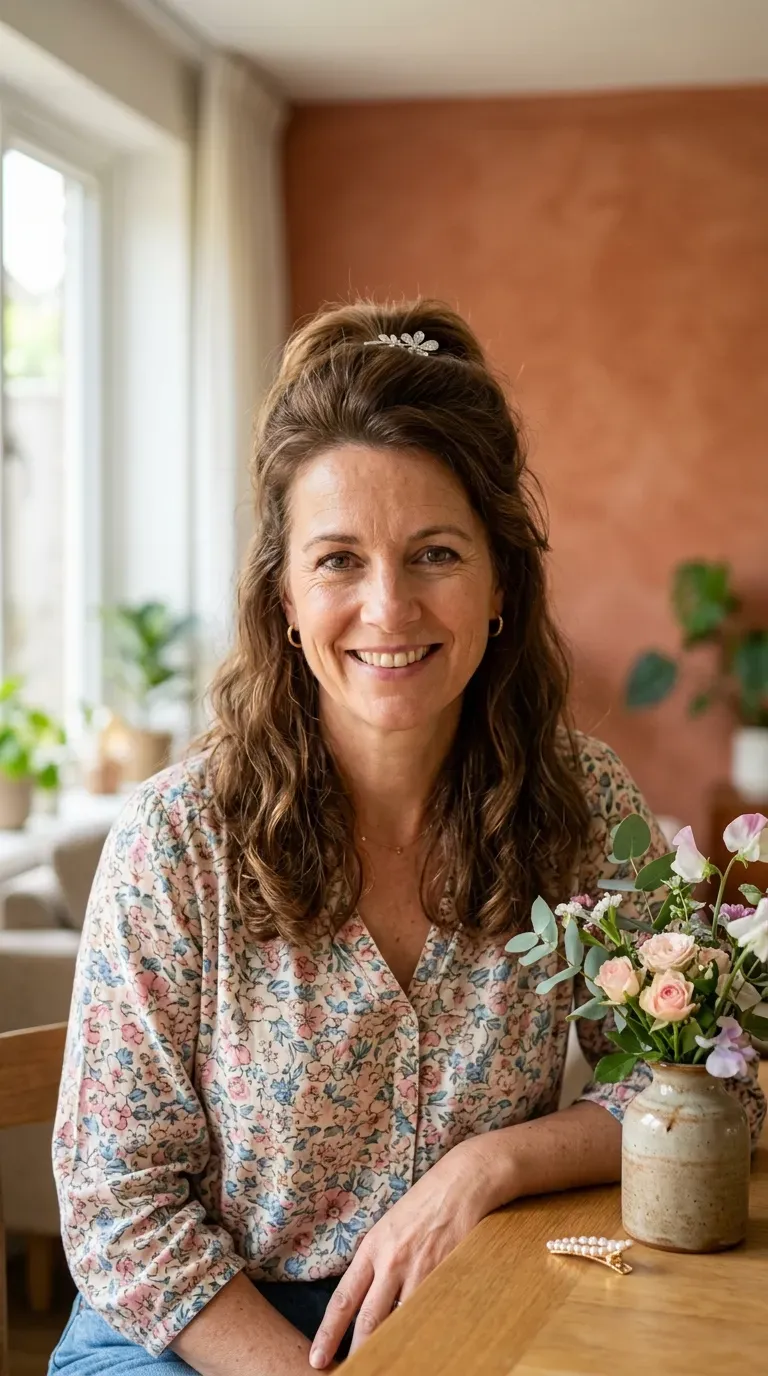
Why it works: Pulling some hair back while leaving the rest down creates the illusion of more volume at the crown without committing to a full updo. It’s an easy in-between option for days when hair fully down feels too flat.
Ask for: A half-up style with the front section teased slightly at the root before securing with a small clip.
16. Loose Braid with Pancaked Sections
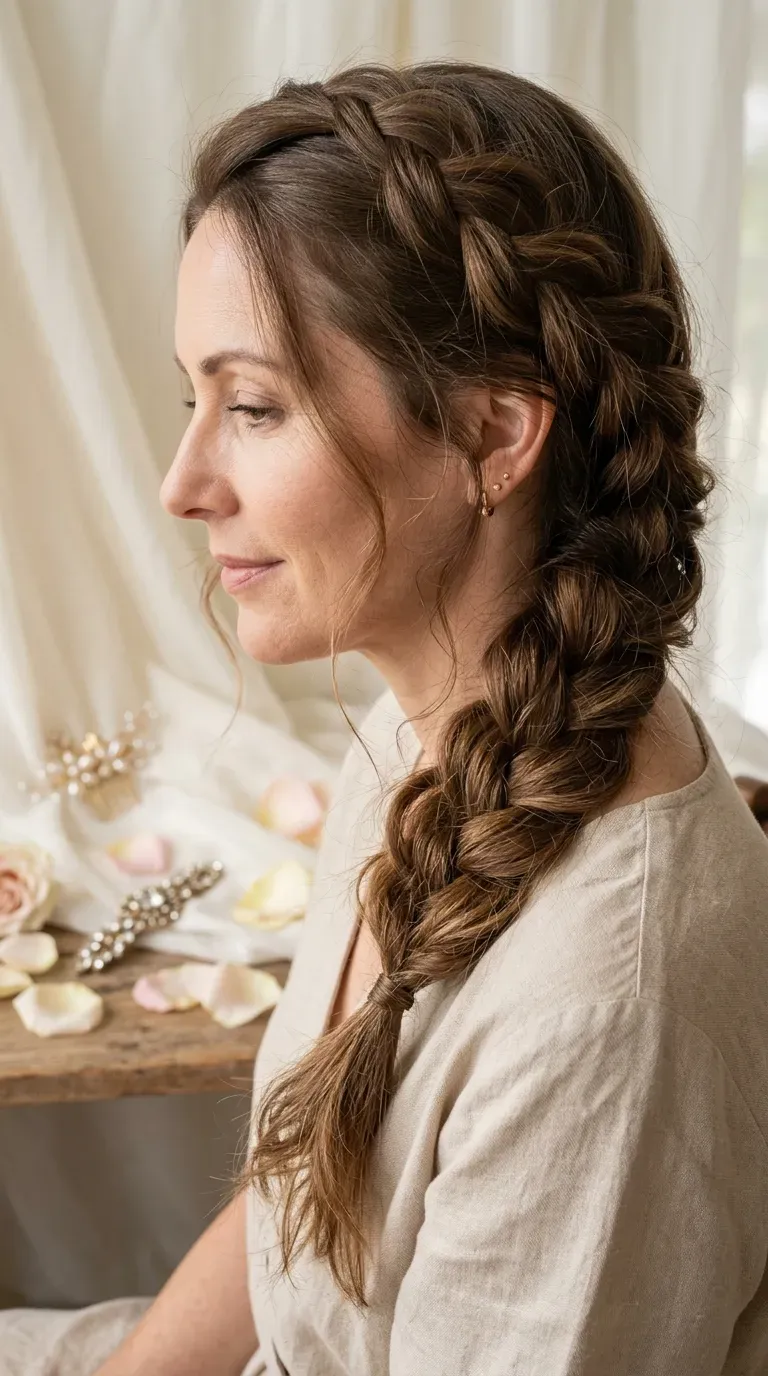
Why it works: Gently pulling apart, or pancaking, each section after braiding widens the braid and makes it look far fuller than a tightly woven one would on thin hair. It’s a great dressier option that still doesn’t require a lot of extra hair to look full.
Ask for: A loose side braid with each section gently pulled apart after braiding to widen and fluff the shape.
17. Sleek Low Bun with Volume Boost
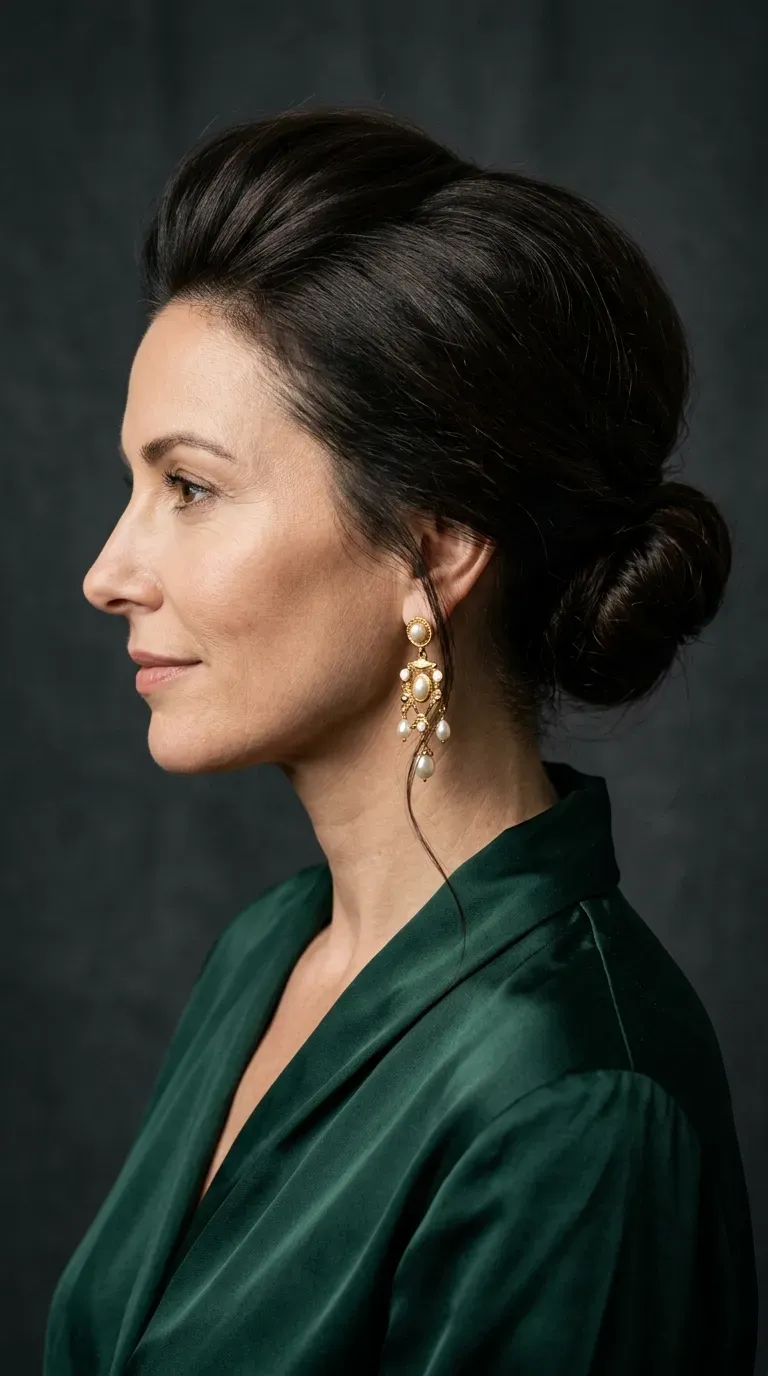
Why it works: A low bun can look thin and severe on fine hair, so teasing the crown section first gives the finished bun a fuller base rather than a flat, pulled-back look. It keeps the style elegant without sacrificing volume for formal events.
Ask for: A low bun with the crown section back-combed before smoothing back, rather than pulled straight back tight.
18. Textured Crop with Side Fringe
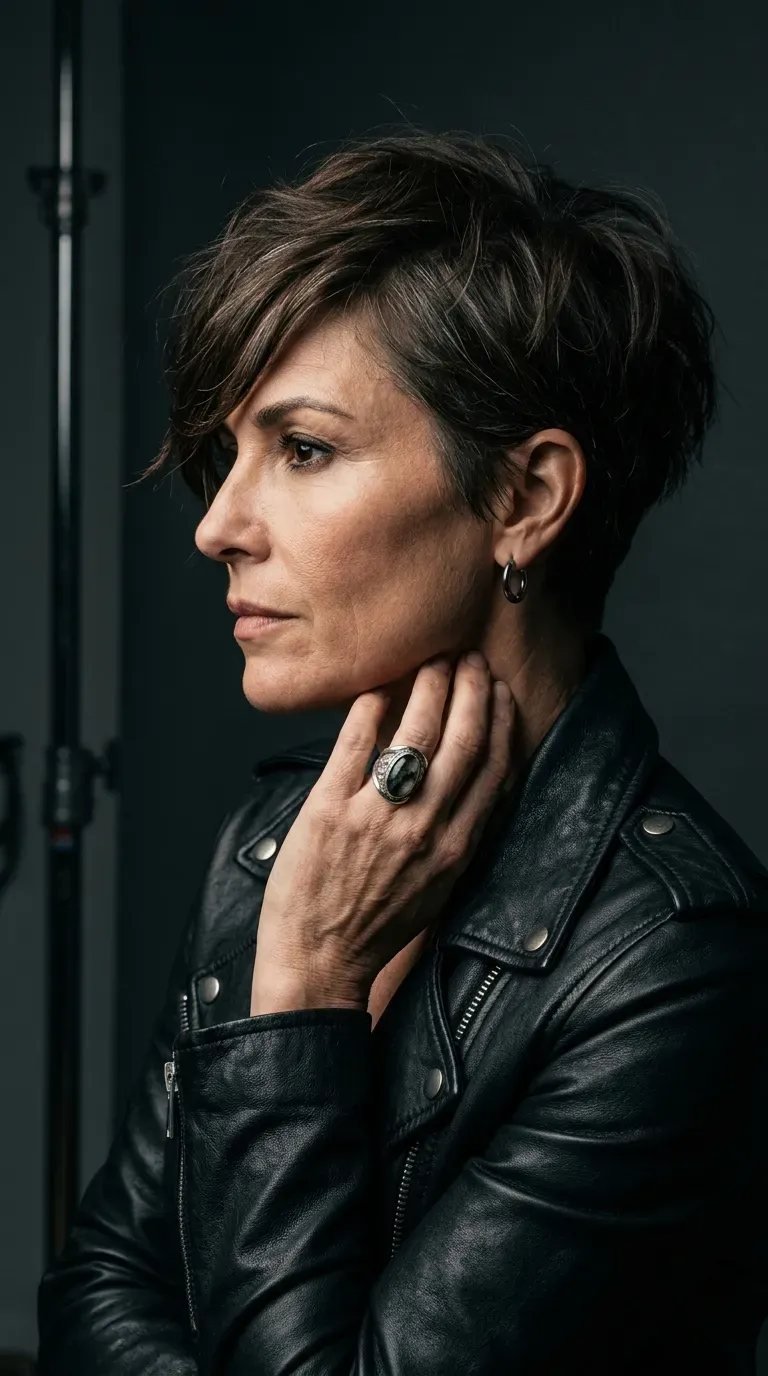
Why it works: Leaving the top layers longer and textured while keeping the sides shorter creates contrast that reads as fuller hair overall. The side fringe also softens the crop, keeping it from looking too severe on thinner hair.
Ask for: A textured crop with longer, piecey layers on top and a soft side-swept fringe blended into the crown.
19. Long Layers with Root Perm
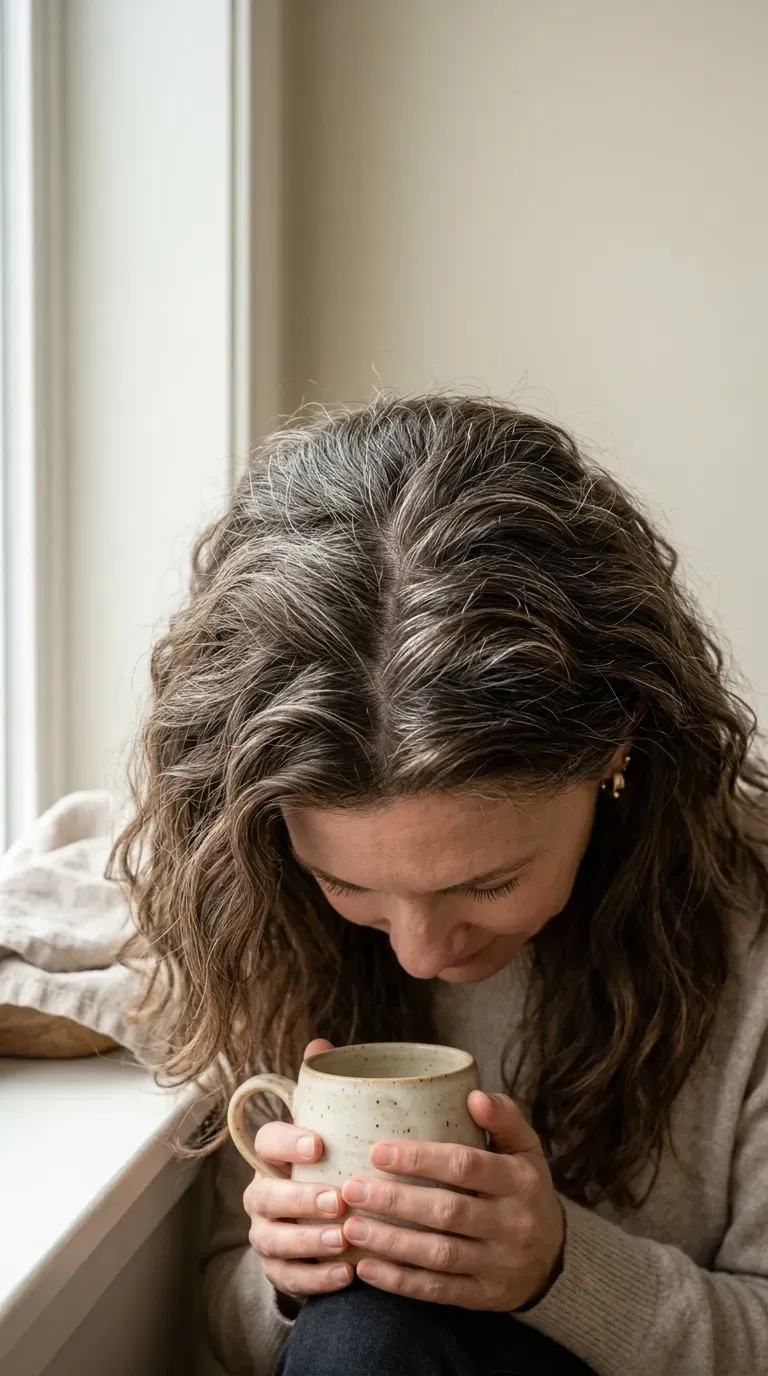
Why it works: A gentle root perm lifts hair exactly where it’s flattest, giving a long-lasting volume boost that doesn’t rely on daily styling to maintain. It’s a good option for anyone who wants fullness without adding a lengthy morning routine.
Ask for: A root-only perm on long layered hair, keeping the perm rods small and concentrated near the scalp.
20. Round-Brush Blowout Bob
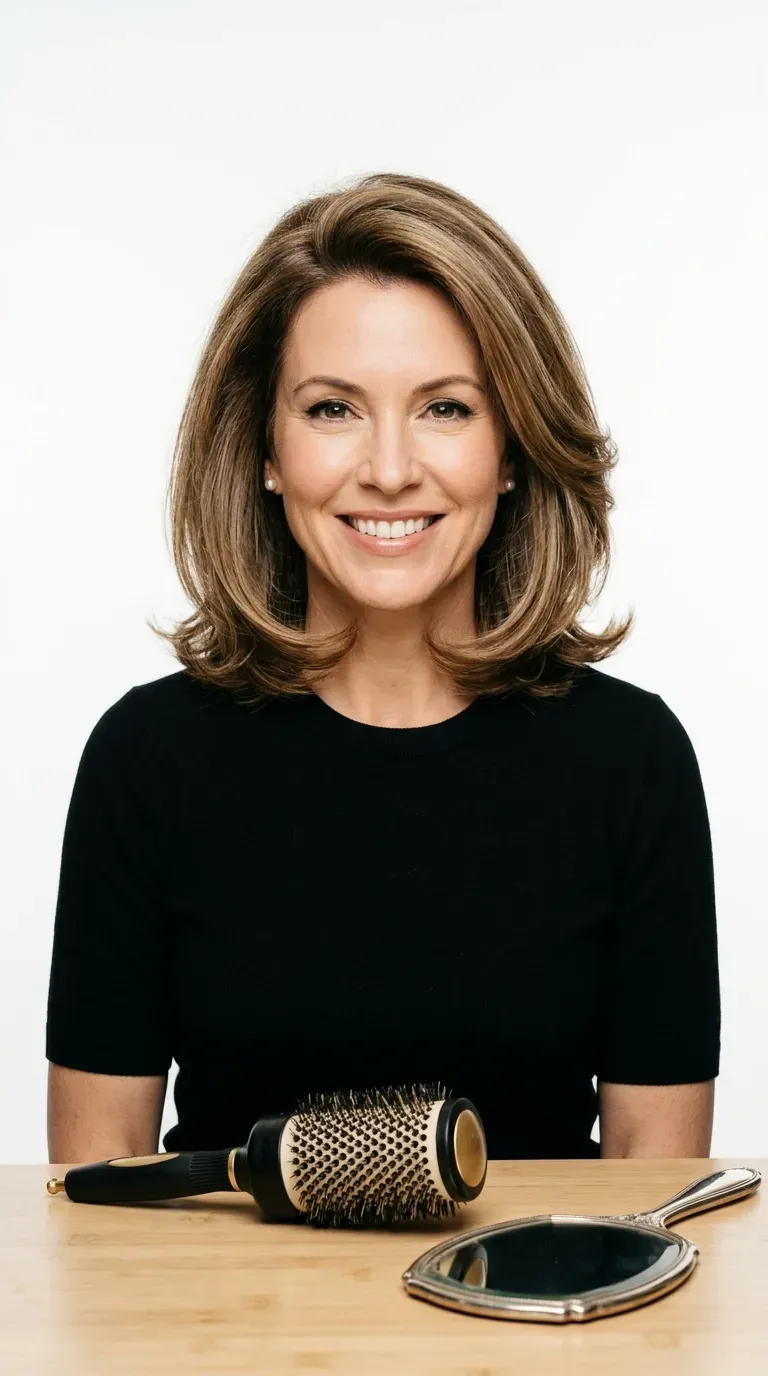
Why it works: A bob cut specifically to support round-brush styling holds a bend at the ends that adds visible bounce, which reads as fuller than a straight, flat finish. The added shine from a proper blowout also helps thin hair look healthier overall.
Ask for: A bob cut with layers designed for round-brush blowouts, dried with the brush rolled under at the ends.
21. Soft Layered Shag with Face-Framing Layers
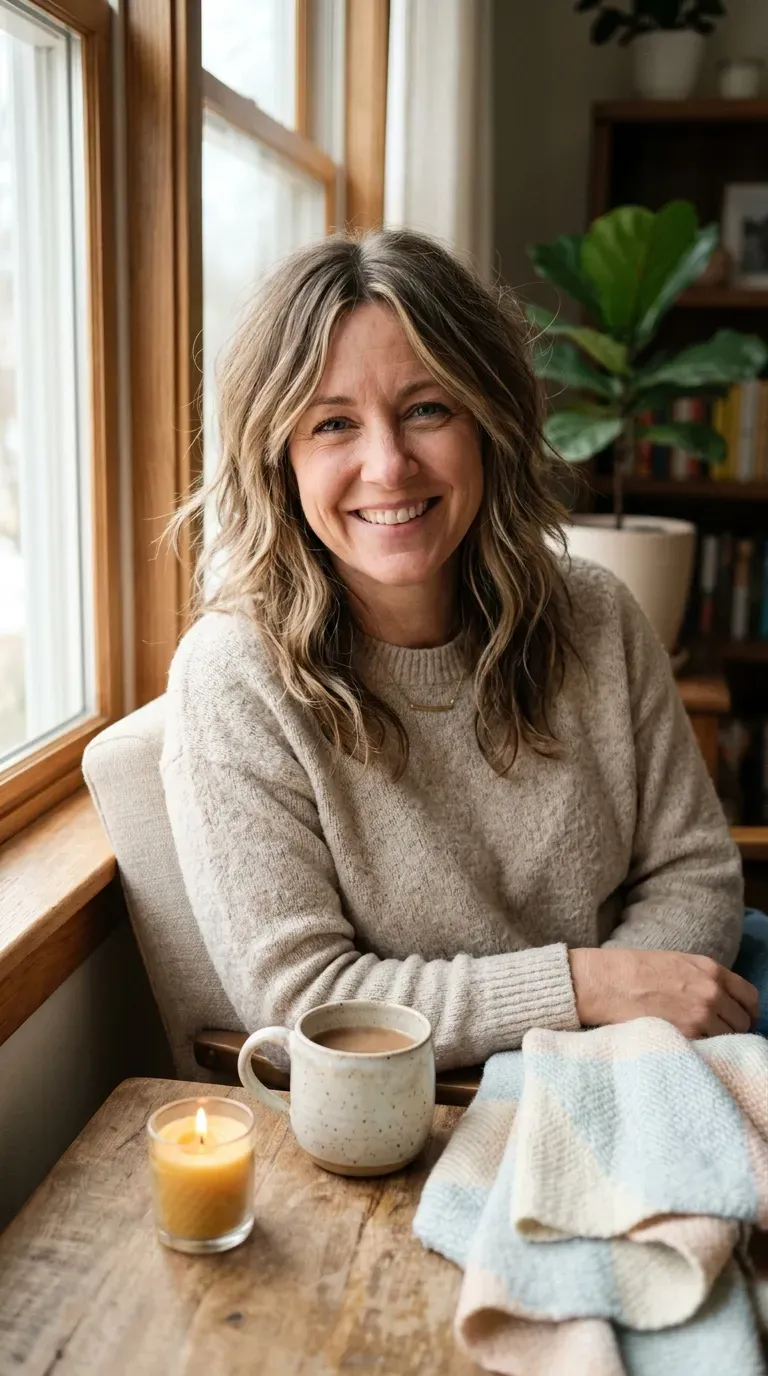
Why it works: Combining a shag’s overall texture with softer layers around the face gives thin hair dimension at both the crown and the front, covering the two areas that tend to show thinning first. It’s a versatile, low-fuss style that works for both everyday wear and slightly dressed-up occasions.
Ask for: A soft layered shag with additional face-framing layers cut starting at the cheekbone.
FAQs
What’s the best hairstyle for women over 40 with thin hair? A Textured Lob, a Voluminous Pixie Crop, or a Modern Shoulder-Length Shag are all strong choices. Each one uses layering and texture to create fullness without adding weight that can pull thin hair flat.
How to make thin hair look fuller for women over 40? Start with a cut that has layers concentrated near the crown, since that’s where lift matters most. A volumizing mousse applied at the roots, a deep side part, and blow-drying with a round brush pointed upward at the roots can all add noticeable fullness, while keeping heavy conditioners away from the scalp helps prevent hair from falling flat again.
Are ponytails and updos good for thin hair? Yes, with a few small adjustments. A tightly pulled-back style can look thin and severe, so teasing the crown section first before securing gives ponytails, buns, and half-up styles a fuller, more natural-looking base.
Final Thoughts
The right cut and a few smart styling habits can make a real difference when you’re working with thin hair, especially once layers and lift are built into the shape itself. Whether you want something low-maintenance for busy weekdays or a bit more polish for a night out, choose the style that fits your routine and let your stylist adjust the placement to suit your own hair.