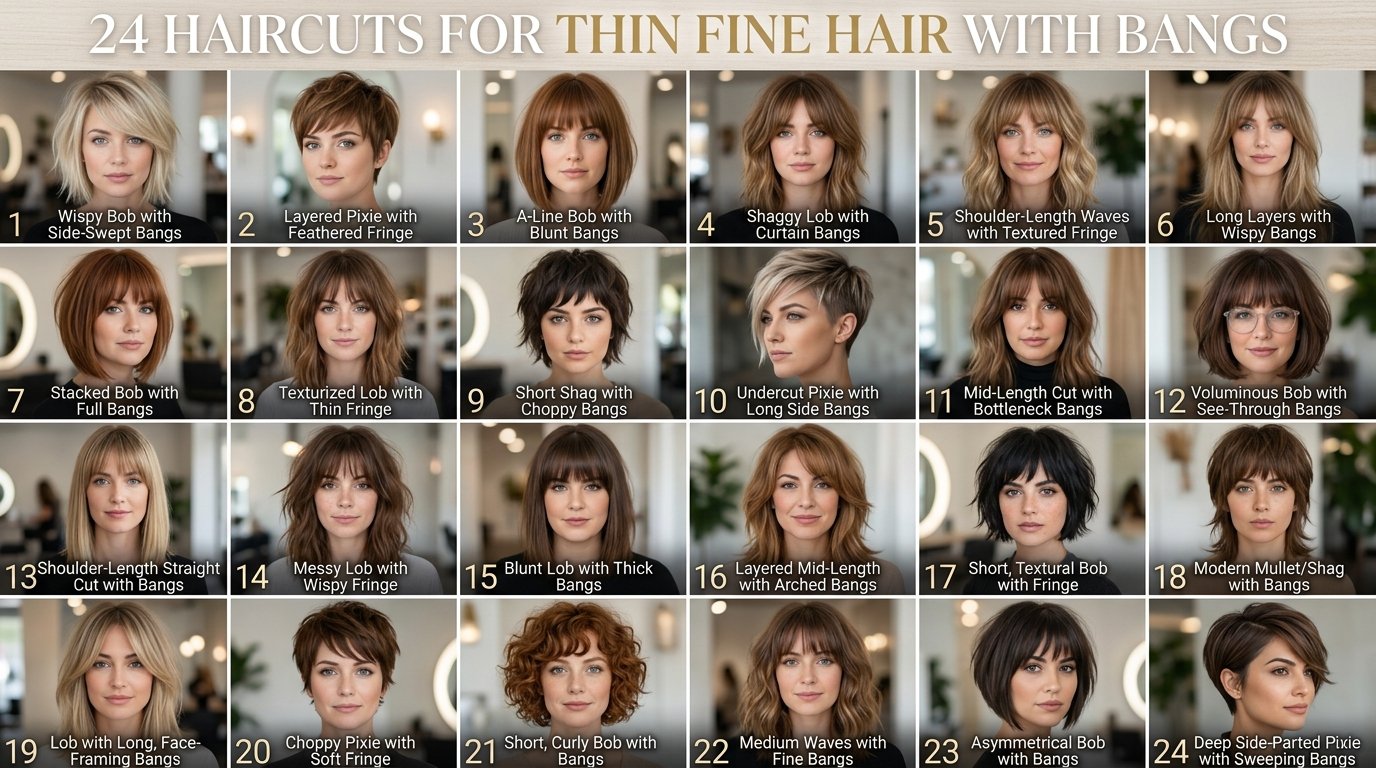
If your hair is already thin and fine, adding bangs can feel like a risk. A heavy fringe can end up looking sparse instead of full, and it’s not always obvious which cut and bang combination will actually work with hair that doesn’t have much natural volume to spare.
The good news is the right pairing can do the opposite of what you’re afraid of, adding fullness instead of taking it away. This roundup covers 24 haircuts for thin fine hair with bangs, mixing cut length and fringe style so you can find a combination that actually delivers volume.
1. Pixie Cut with Wispy Bangs
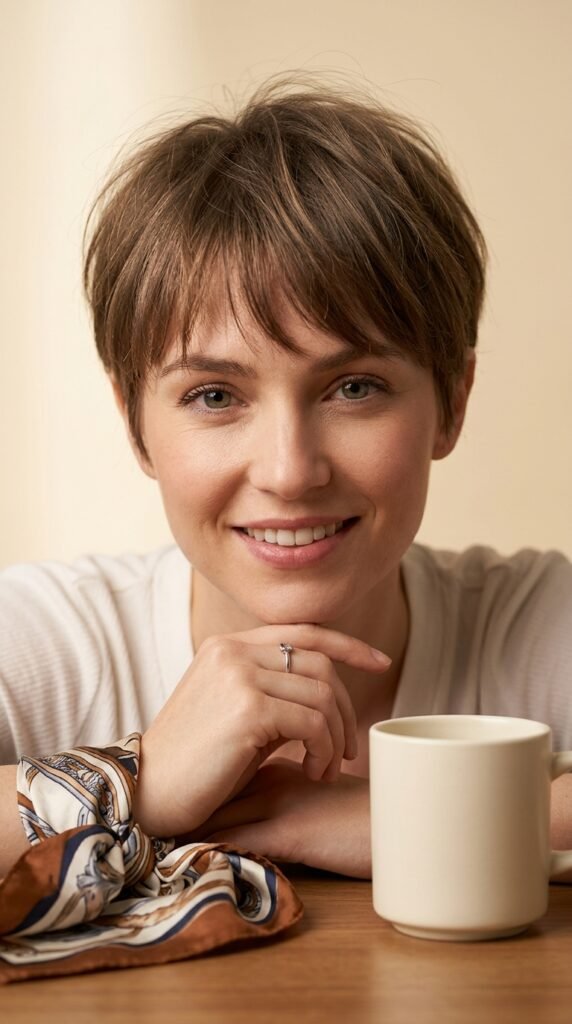
Why it works: A short pixie removes the weight that drags fine hair flat, and wispy bangs are thin enough not to add any extra heaviness near the forehead. Together they let the whole cut stand up and look fuller than the hair actually is.
Ask for: A pixie cut with wispy, razor-textured bangs left slightly longer so they blend into the crown rather than sitting as a dense block.
2. Textured Bob with Curtain Bangs

Why it works: A bob keeps the ends landing at the same weighted line, which already reads as thicker on fine hair, and curtain bangs part naturally without needing a hard, blunt edge that could look sparse. The combination keeps fullness at both the ends and around the face.
Ask for: A textured bob with curtain bangs cut long enough to blend into the sides rather than as a separate section.
3. Long Layered Cut with Side-Swept Bangs
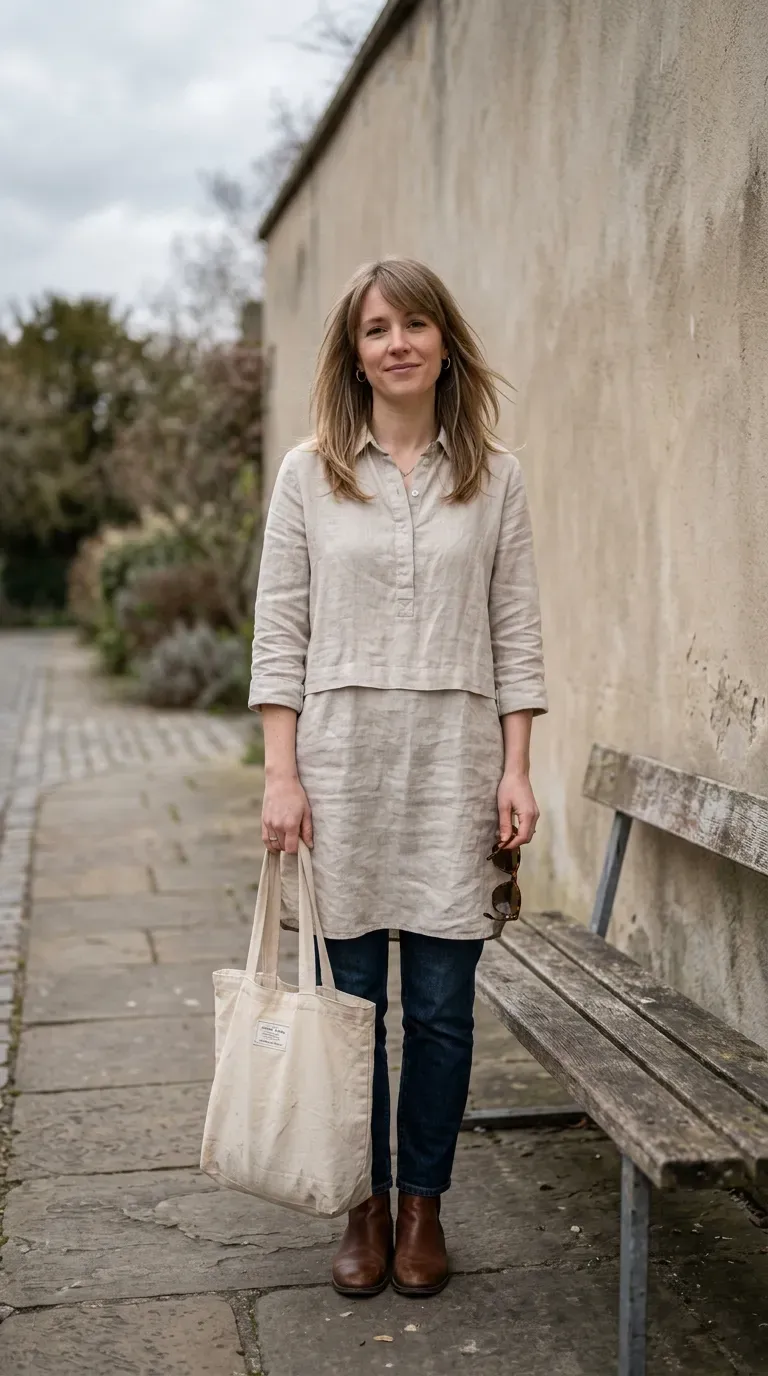
Why it works: Layers concentrated near the crown add lift right where fine hair tends to fall flat, while side-swept bangs add gentle asymmetry near the forehead without extra bulk. It’s a versatile combination for anyone who wants to keep length.
Ask for: Long layers starting near the cheekbone, paired with side-swept bangs cut on a diagonal.
4. Shag Haircut with Curtain Bangs
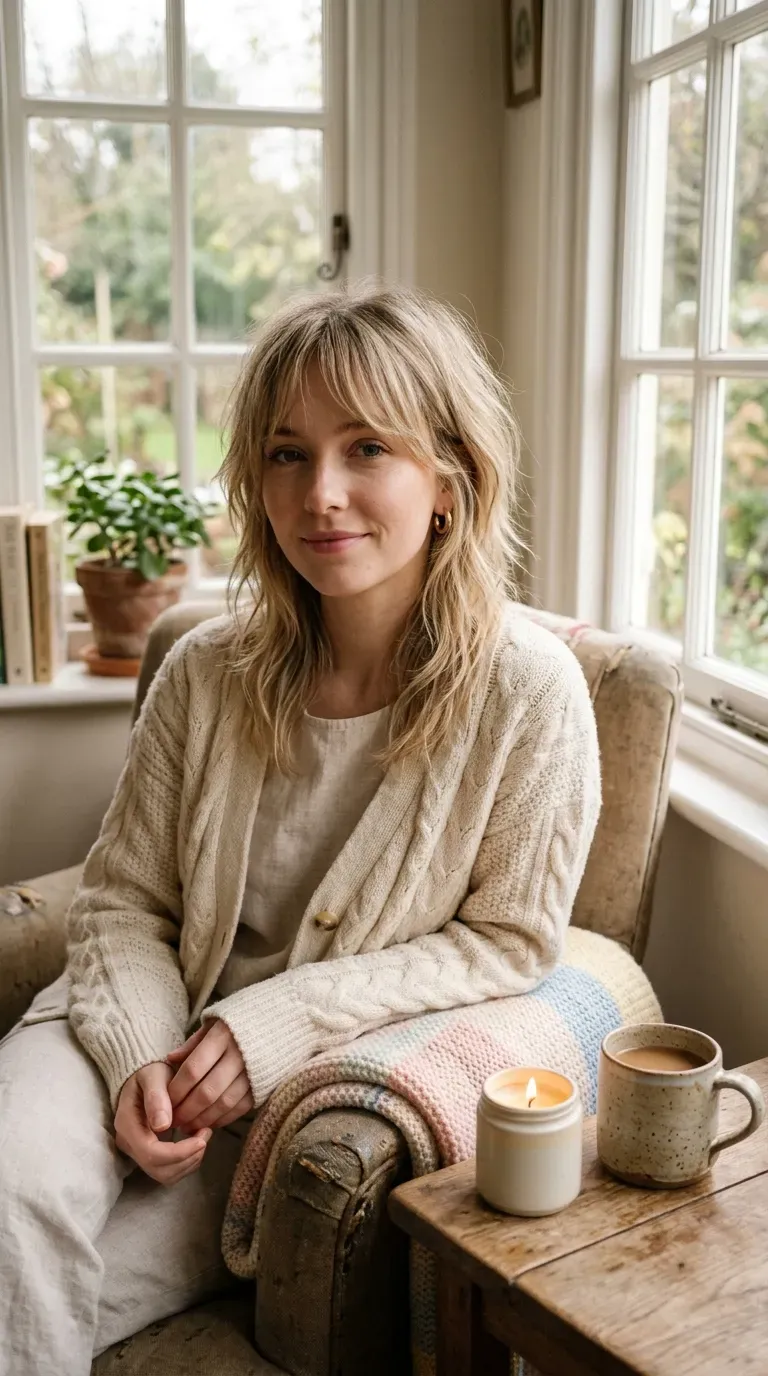
Why it works: A shag’s piecey, layered structure gives fine hair dimension and movement it wouldn’t otherwise have, and curtain bangs continue that same softness into the face-framing section. Neither element adds unnecessary bulk, which keeps the whole look feeling light rather than weighed down.
Ask for: A shag cut with curtain bangs blended into the top layers rather than cut as a distinct section.
5. Lob with Blunt Bangs
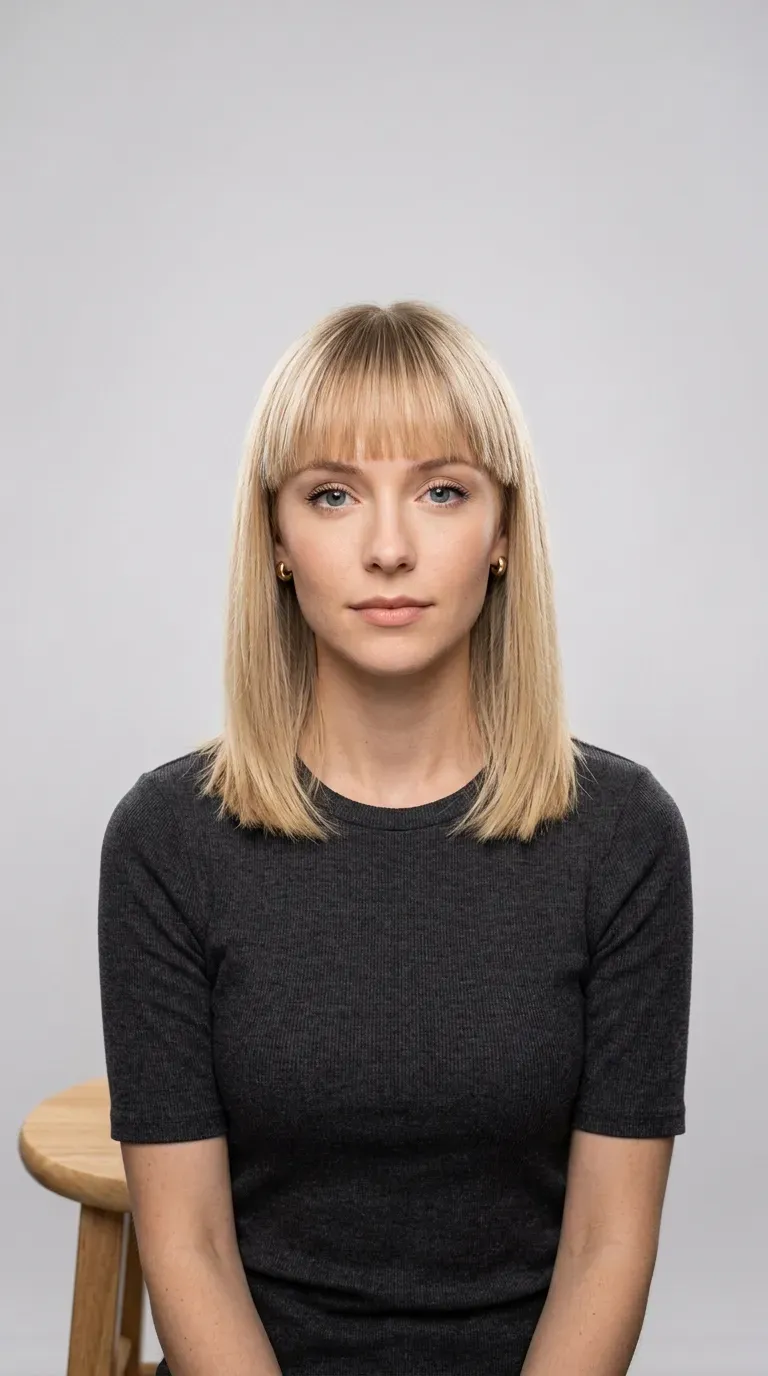
Why it works: A blunt line across the forehead adds visual density right at the hairline, which is one of the few spots where a straight edge actually helps fine hair look fuller instead of thinner. Pairing it with a lob keeps the rest of the cut from feeling too heavy underneath.
Ask for: Blunt bangs cut just above the brow, kept slightly thinner in density than a typical blunt fringe to avoid looking flat.
6. Voluminous Crop with Micro Bangs
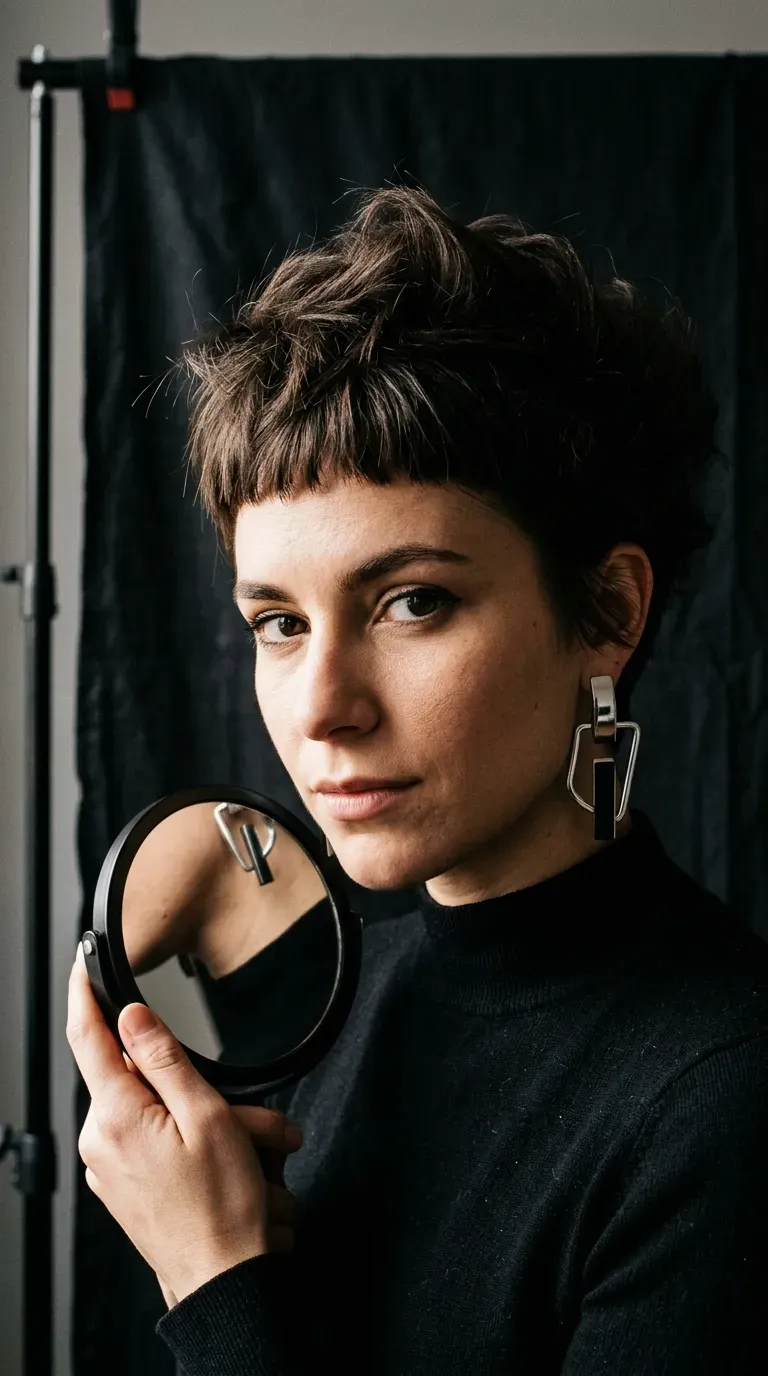
Why it works: Short micro bangs sit high enough on the forehead that they don’t drag on fine hair the way a longer, heavier fringe might, and the crop underneath is cut specifically to build lift at the crown. Together they create a bold, high-volume silhouette.
Ask for: A voluminous crop with micro bangs cut two to three inches above the brow, kept even and light.
7. Layered Bob with Feathered Bangs
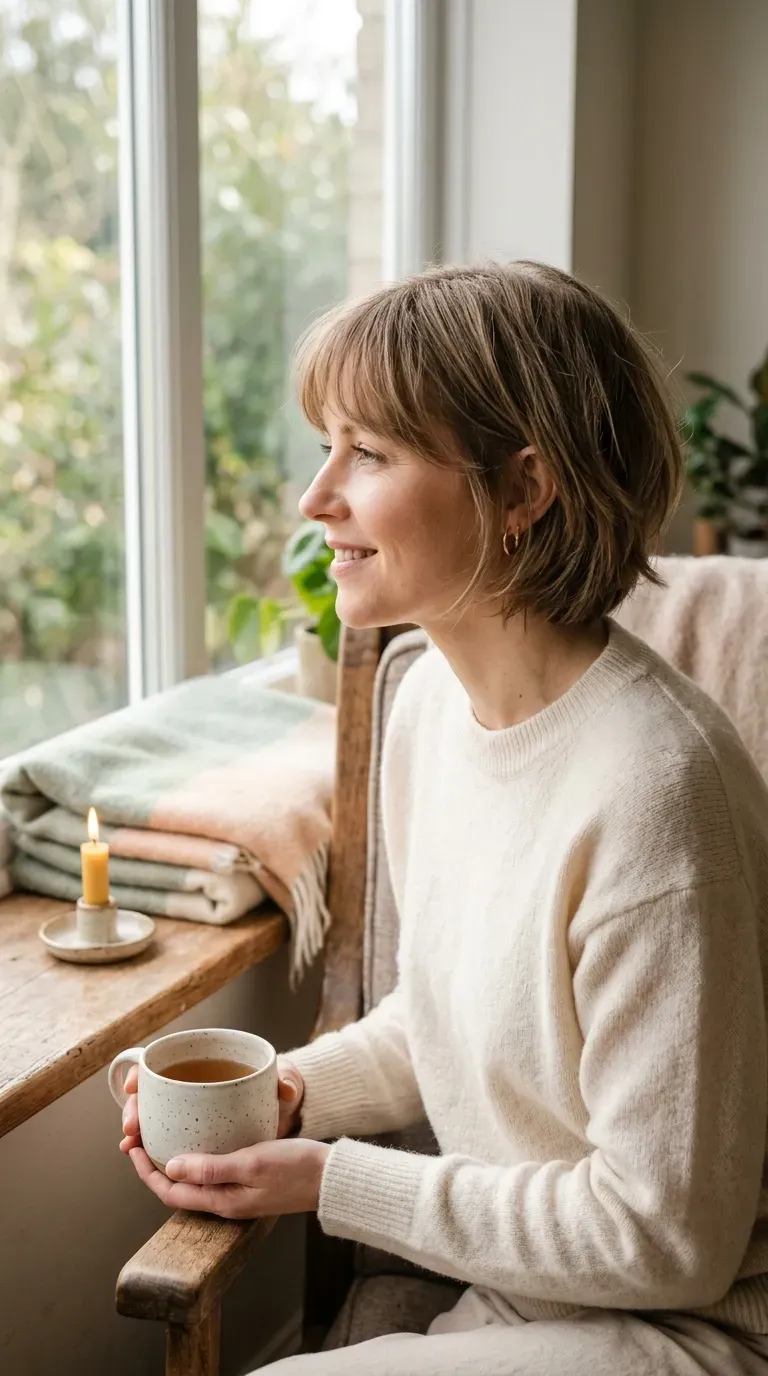
Why it works: Feathered layers fan out instead of sitting in one dense block, which keeps a fringe from looking heavy or flat on fine hair. Paired with a layered bob, the whole cut moves together instead of the bangs feeling like a separate, weighed-down piece.
Ask for: A layered bob with feathered bangs cut with soft internal layers, styled to fan outward with a round brush.
8. Long Hair with Full Fringe

Why it works: On long hair, a full fringe gives the eye a clear focal point up top instead of letting all the length pull attention down toward thinner ends. Layering within the fringe keeps it from reading as one flat, heavy piece.
Ask for: A full fringe with internal layers cut throughout, paired with long layers through the rest of the length.
9. Textured Pixie with Side Fringe

Why it works: A side fringe on a textured pixie flatters most face shapes while keeping the crown looking full, since the fringe sweeps away instead of falling forward and flattening. The razored texture throughout keeps the whole cut light rather than dense.
Ask for: A textured pixie with an extended side-swept fringe, razored for movement rather than left blunt.
10. Shoulder-Length Cut with Wispy Fringe
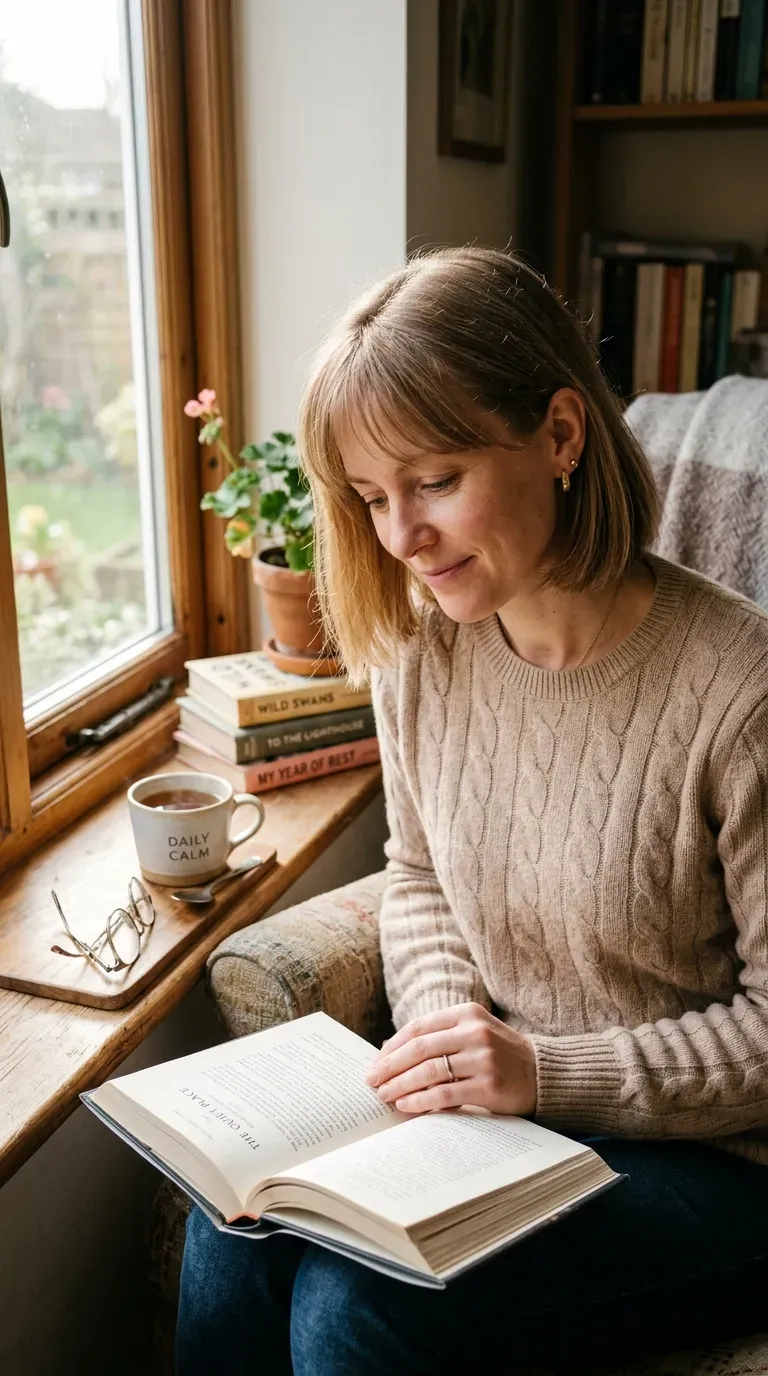
Why it works: A wispy, thin fringe adds interest near the forehead without weighing fine hair down the way a thicker bang would. It pairs naturally with a shoulder-length cut, since neither element demands much daily styling to look finished.
Ask for: A wispy fringe cut with reduced density, point-cut rather than blunt, blended into a shoulder-length shape.
11. Blunt Bob with Blunt Bangs

Why it works: Two blunt lines, one at the ends and one across the forehead, both add density right where fine hair naturally thins out toward the edges. The graphic shape reads as intentional and full rather than sparse.
Ask for: A blunt bob with matching blunt bangs, both cut at moderate density rather than overly thick.
12. Soft Shag with Piecey Bangs

Why it works: Piecey, separated bangs give a fringe texture and dimension it wouldn’t have as one solid block, which matches the shag’s already broken-up shape throughout the rest of the hair. The visible separation also makes fine hair look like it has more strands than it does.
Ask for: Piecey bangs cut with a razor and separated by hand, paired with a soft shag through the rest of the length.
13. Curly Crop with Curly Bangs
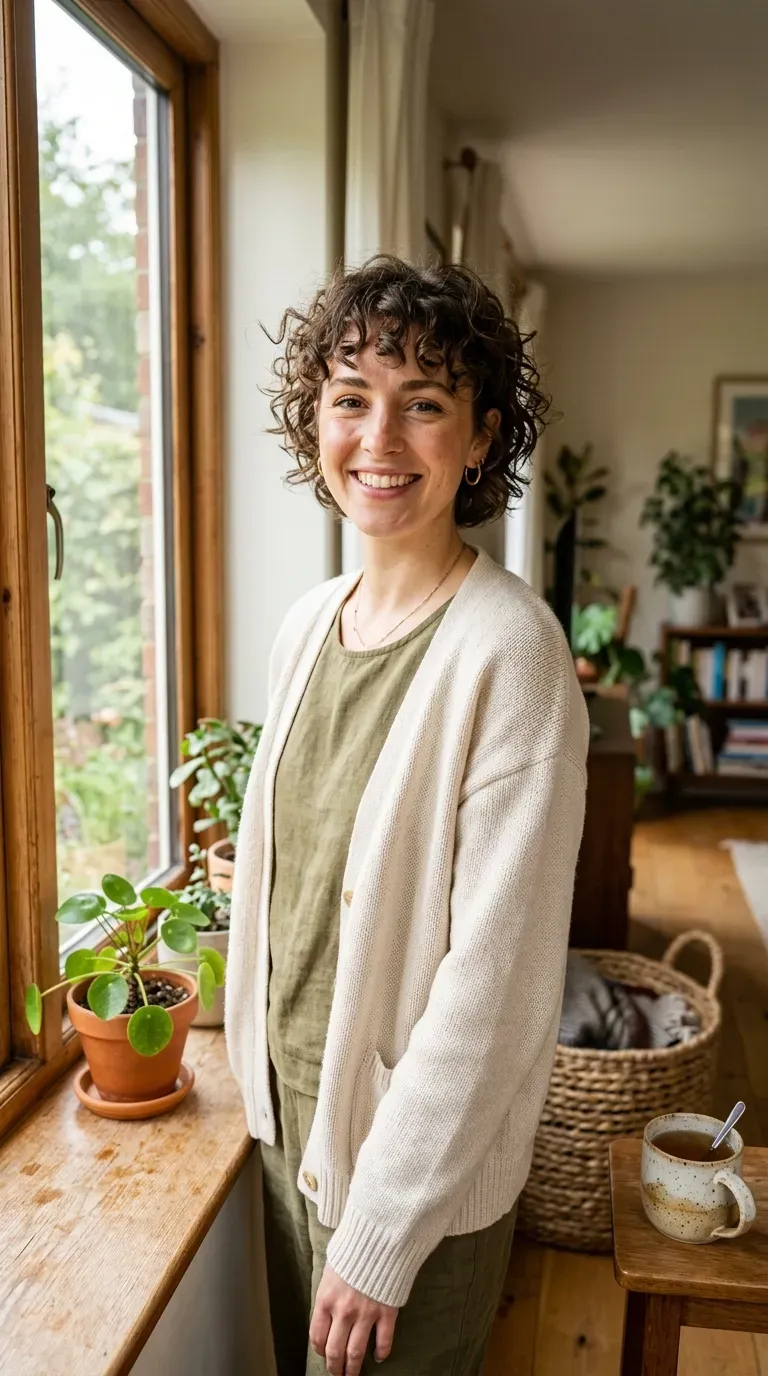
Why it works: Curls naturally shrink up and add volume on their own, which helps fine hair look fuller without any extra styling effort. Cutting the crop and bangs both dry means the stylist can see exactly how each curl behaves before trimming.
Ask for: A curly crop with curly bangs cut dry, left slightly longer than the target length to account for shrinkage.
14. Layered Lob with Rounded Bangs

Why it works: A gentle curve along the brow line follows the natural shape of the forehead rather than cutting a hard straight line, which reads as softer on fine hair. The layered lob underneath adds movement so the whole cut doesn’t feel static.
Ask for: Rounded bangs cut to curve gently with your brow line, paired with a lob layered through the ends.
15. Face-Framing Layers with Curtain Bangs
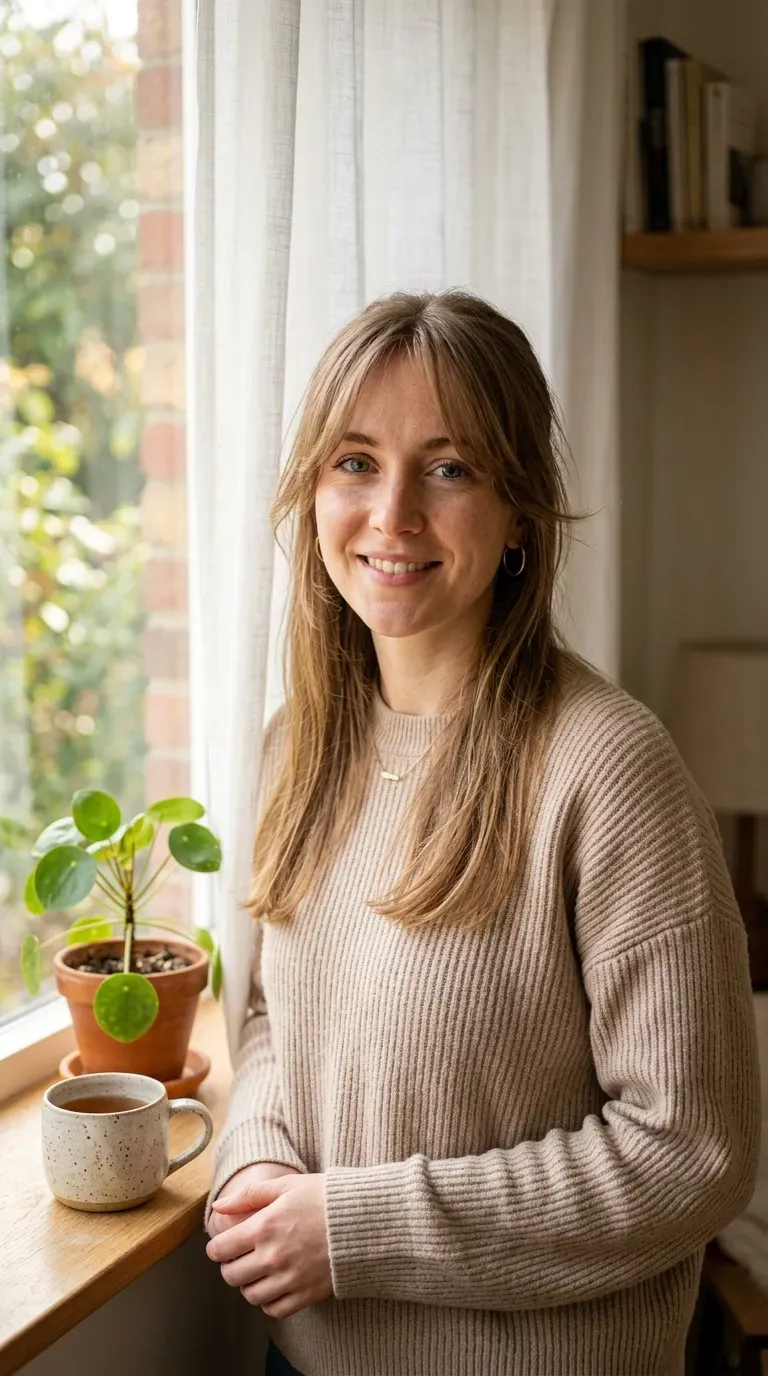
Why it works: Layers cut specifically around the face brighten the complexion and add softness exactly where fine hair often looks its thinnest, near the temples. Curtain bangs continue that same soft framing without adding a heavy, separate fringe section.
Ask for: Face-framing layers starting at the chin, blended directly into curtain bangs rather than cut separately.
16. Voluminous Bob with Root Lift and Bangs
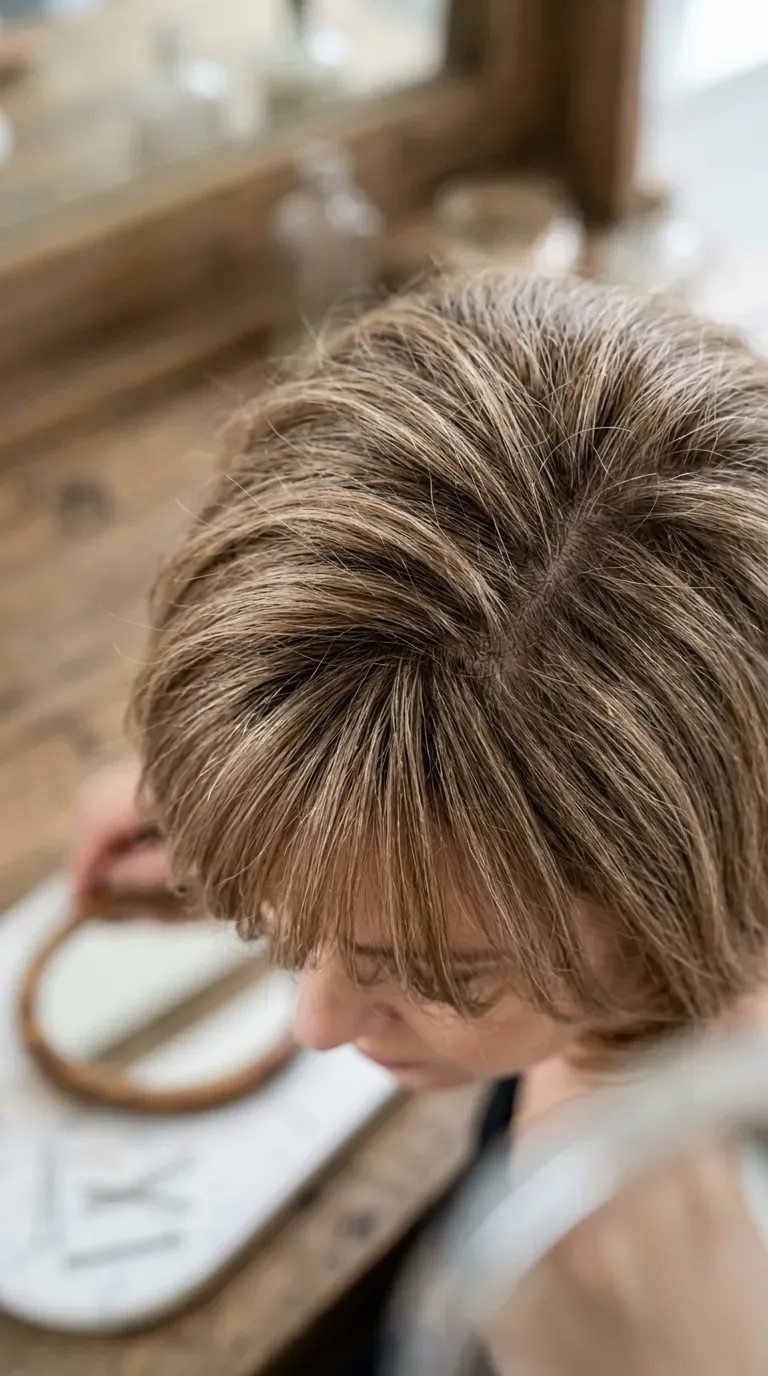
Why it works: This combination focuses styling attention right at the roots, where thinning is usually most visible, using layers cut specifically to support lift. Bangs cut at a lighter density keep the fringe from undercutting all that hard-won volume at the crown.
Ask for: A bob with shorter layers concentrated at the crown for root lift, paired with bangs kept light in density.
17. Long Layers with Bottleneck Bangs

Why it works: This trendy shape narrows at the center part and widens as it sweeps outward, which draws attention to the middle of the face while leaving the temples open and light. It’s a modern take on bangs that doesn’t add bulk near the hairline.
Ask for: Bottleneck bangs cut shortest at the center part, gradually lengthening toward each temple, paired with long layers.
18. Pixie with Arched Bangs
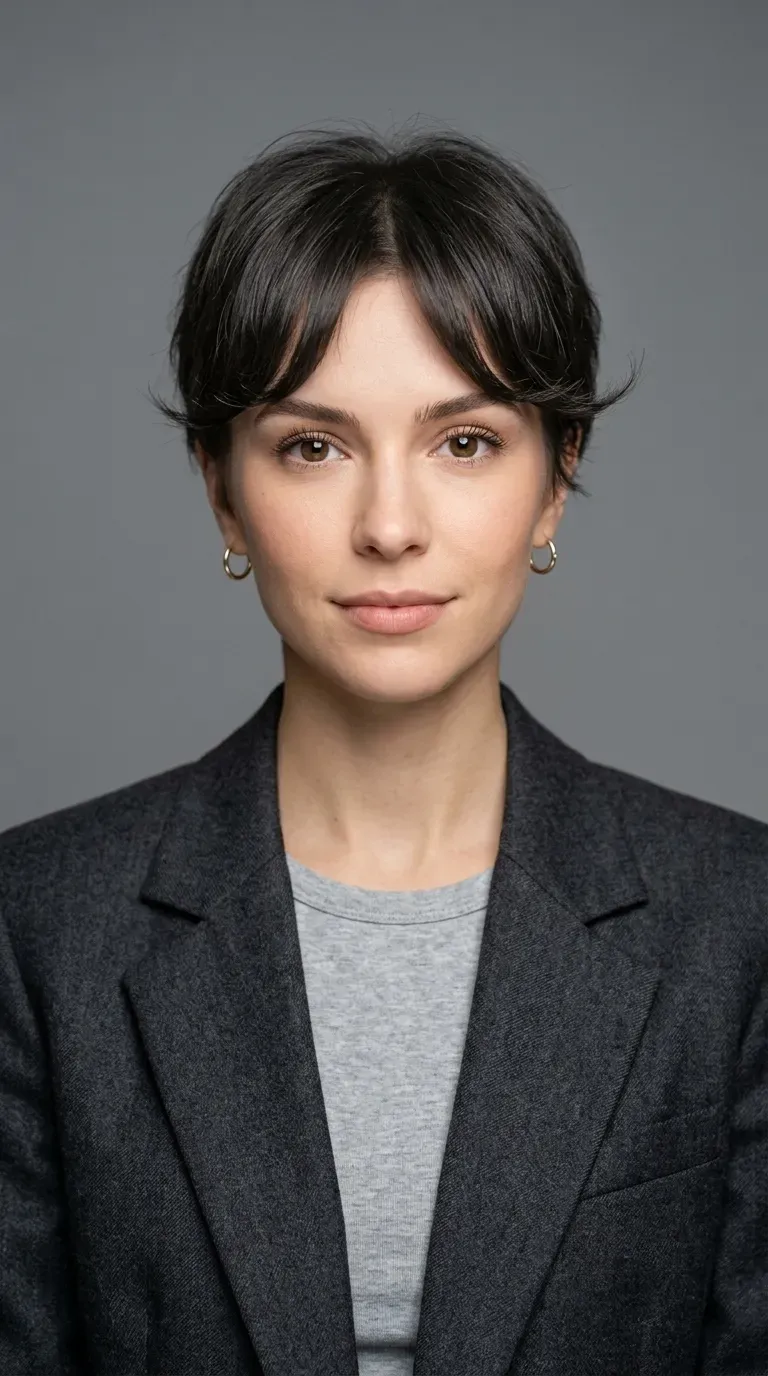
Why it works: The slight upward arch at the center adds height and movement right at the hairline, keeping fine hair from feeling weighed down by a flat fringe. Paired with a pixie, the whole look stays lifted from root to tip.
Ask for: Arched bangs with the center pieces cut slightly shorter and styled upward, paired with a lightly layered pixie.
19. Medium-Length Shag with See-Through Bangs

Why it works: See-through bangs are cut with reduced density on purpose, so instead of trying to hide that hair is fine, this style works with it, letting light and forehead show through in a way that looks intentional. The shag underneath adds texture that balances out the delicate fringe.
Ask for: Thin, see-through bangs cut with reduced density, paired with a medium-length shag for texture throughout.
20. Textured Crop with Asymmetrical Bangs
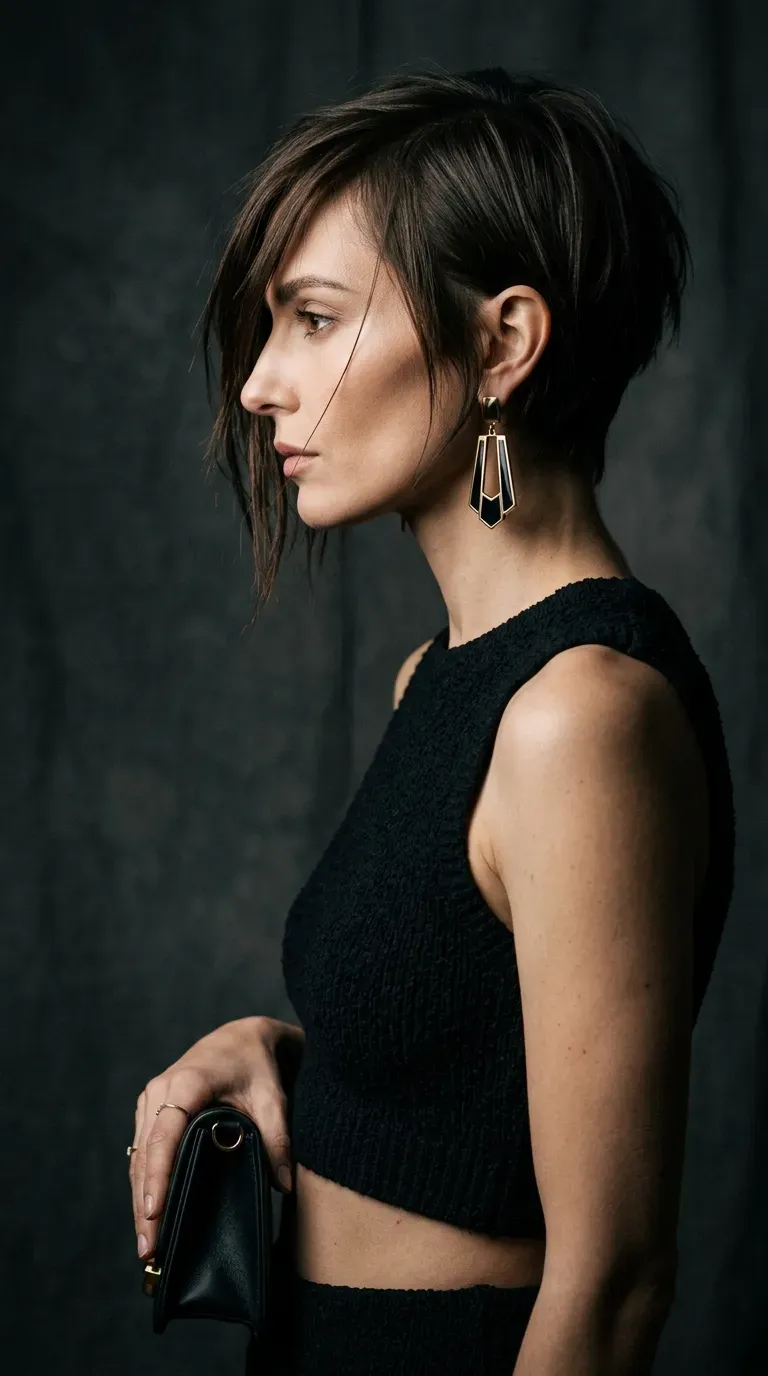
Why it works: Cutting bangs longer on one side creates diagonal movement instead of a static horizontal line, which adds visual interest without requiring extra density to look intentional. It also grows out more gracefully than a symmetrical fringe would.
Ask for: Asymmetrical bangs cut on a clear diagonal, paired with a textured crop for added movement throughout.
21. Wavy Lob with Soft Fringe
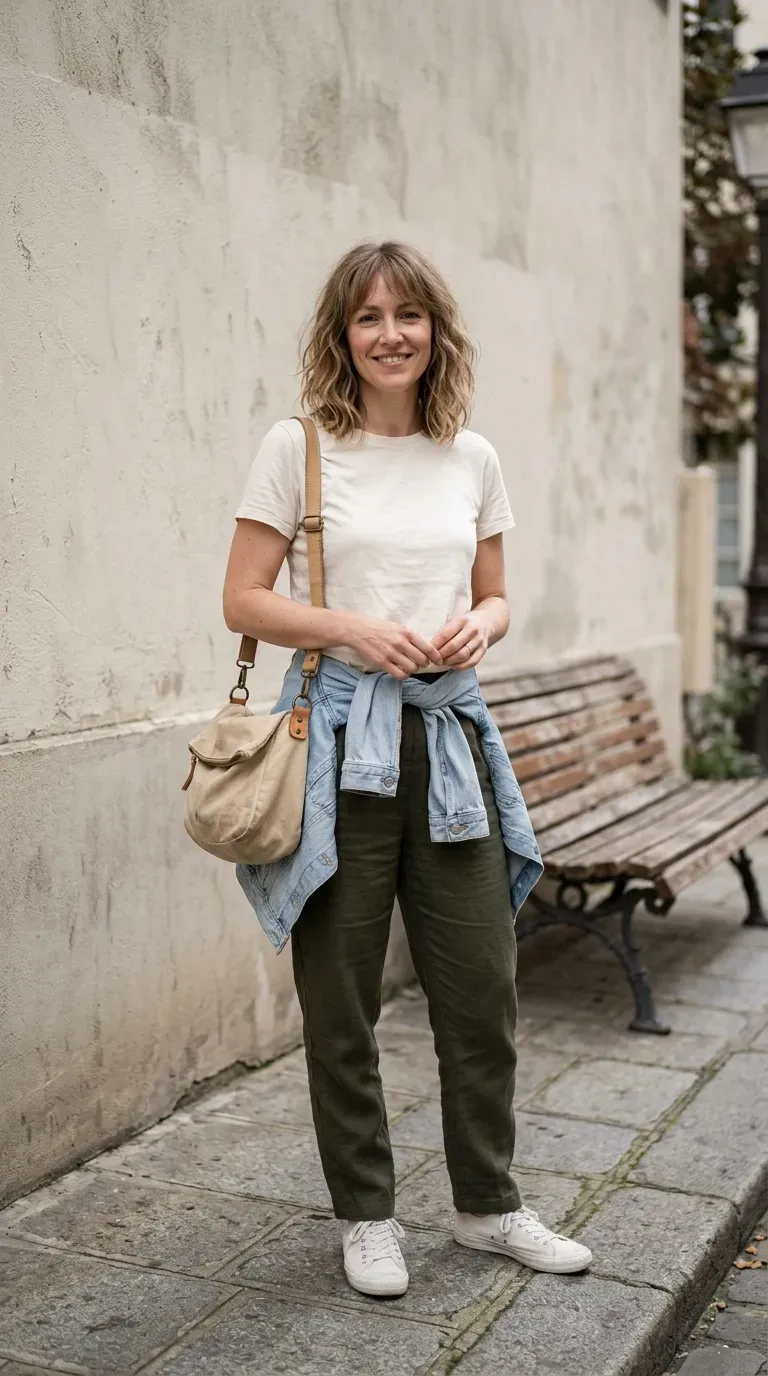
Why it works: Waves through a lob add body that straight, fine hair often lacks, and a soft fringe continues that same gentle movement into the face-framing section. Neither element requires much daily effort to keep looking full.
Ask for: A soft fringe blended into a wavy lob, styled with a curling wand for loose, natural movement.
22. Blowout Bob with Side-Swept Bangs
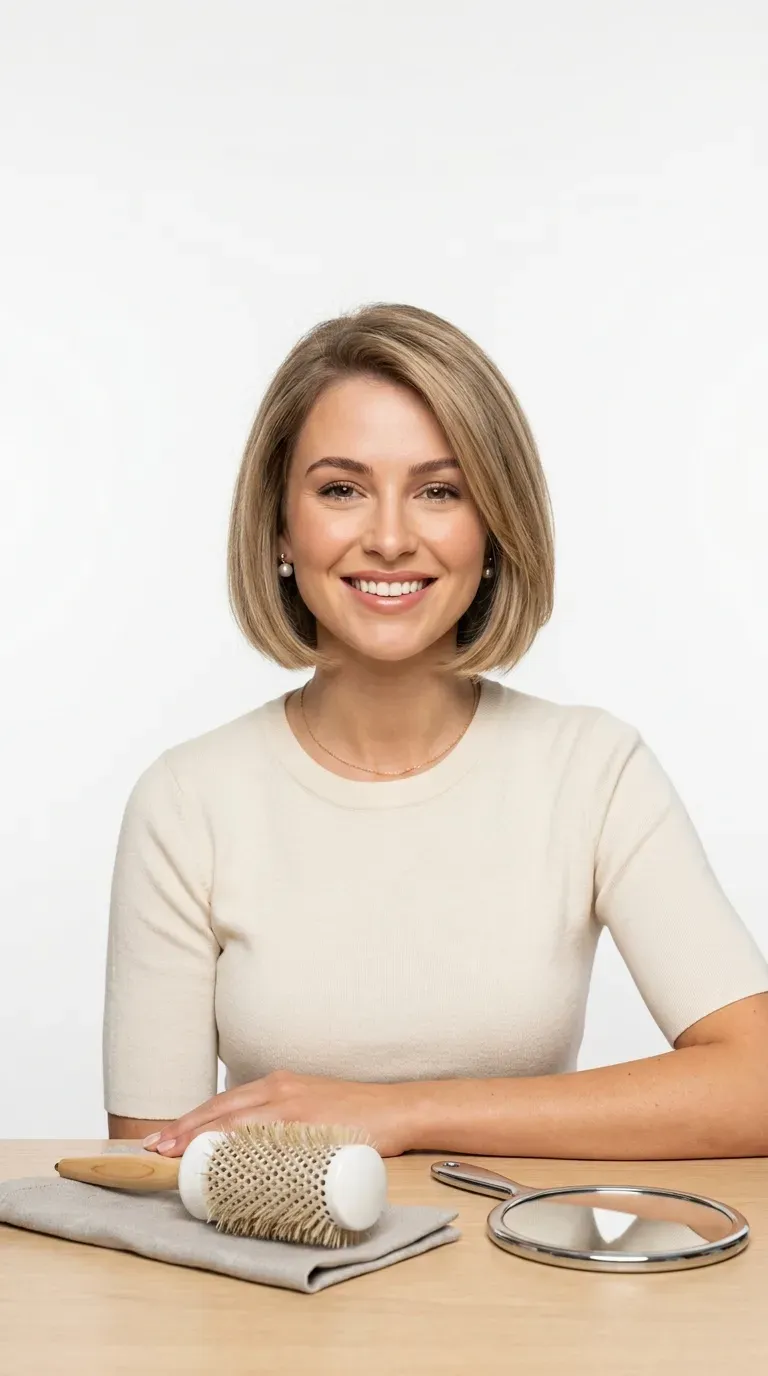
Why it works: A bob cut specifically to support round-brush styling holds a bend that adds visible bounce, and side-swept bangs styled the same way keep the fringe from falling flat against the forehead. The result reads as fuller than a straight, air-dried finish.
Ask for: A blowout bob with side-swept bangs, both dried with a round brush lifted at the roots.
23. Layered Cut with Baby Bangs

Why it works: Baby bangs sit high enough that they don’t pull on the rest of the hair the way a longer, heavier fringe could, which keeps fine hair feeling light rather than weighed down. Paired with layers throughout, the whole cut has a consistent sense of movement.
Ask for: Baby bangs cut two to three inches above the brow, blunt and even, paired with soft layers through the rest of the length.
24. Soft Layered Shag with Full Fringe
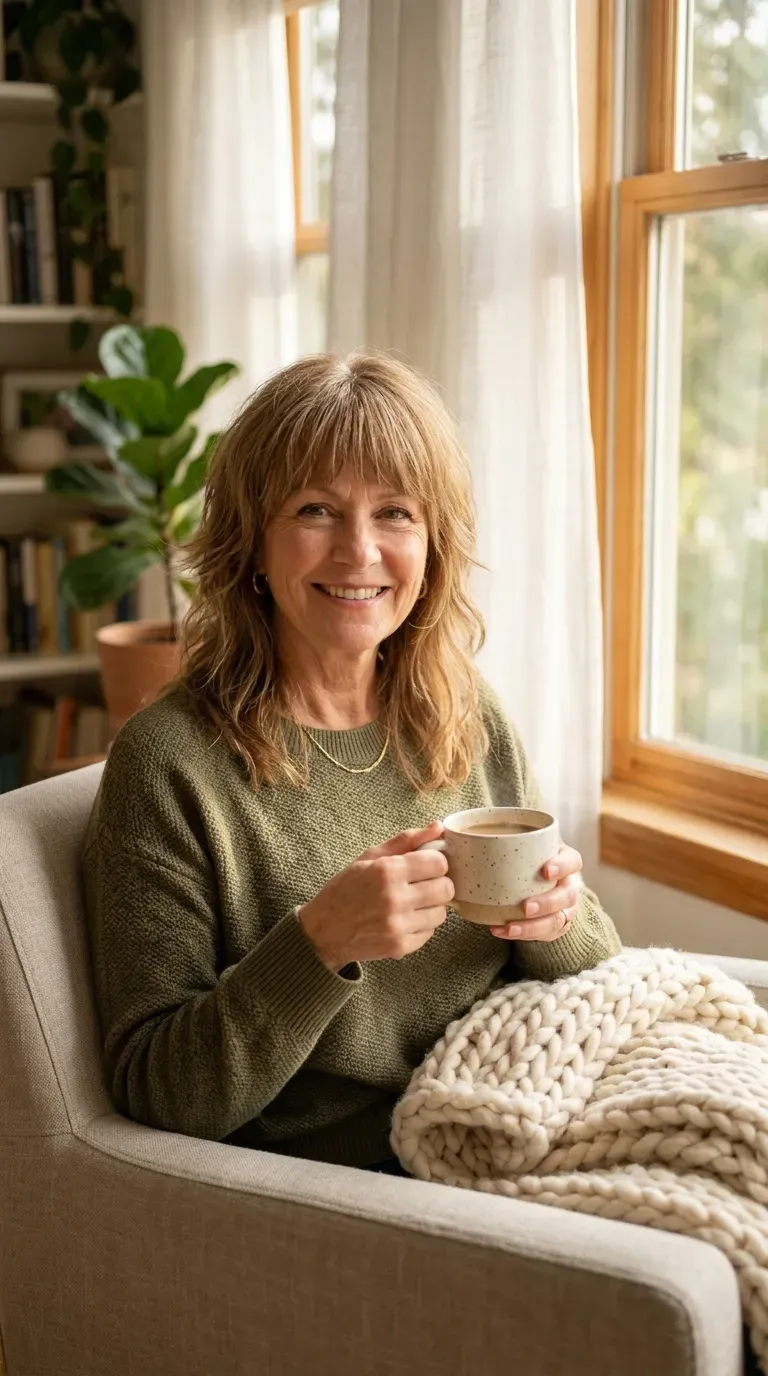
Why it works: Combining a shag’s built-in texture with a full, layered fringe gives fine hair dimension at both the crown and the forehead, covering the two areas that tend to look thinnest. The layering throughout the fringe keeps it from reading as one flat, heavy piece.
Ask for: A full fringe with internal layers cut throughout, paired with a soft layered shag for consistent movement.
FAQs
What’s the best haircut with bangs for thin fine hair? A Textured Bob with Curtain Bangs, a Voluminous Pixie with Wispy Bangs, or a Soft Shag with Piecey Bangs are all strong choices. Each one uses lighter density and layering to add fullness rather than weighing fine hair down.
How to keep bangs from looking flat on thin fine hair? Ask your stylist to keep the bangs lighter in density rather than cutting them thick and blunt, since less density catches light and reads as more textured. A root-lift spray or mousse applied before blow-drying, along with a small round brush, helps bangs sit up rather than falling flat against the forehead.
Do bangs make thin hair look thicker or thinner? It depends on how they’re cut. A heavy, blunt fringe with too much density can actually make hair look thinner by comparison to the rest of the head, while wispy, layered, or piecey bangs tend to add the illusion of fullness without that contrast.
Final Thoughts
The right haircut and bang pairing can genuinely change how full your hair looks day to day, especially once density and placement are planned around your natural texture. Whether you want something short and bold or long and soft, choose the combination that fits how much styling time you actually want to spend, and let your stylist fine-tune the details from there.